


Overview of the Valvonti Riverfront Facelift
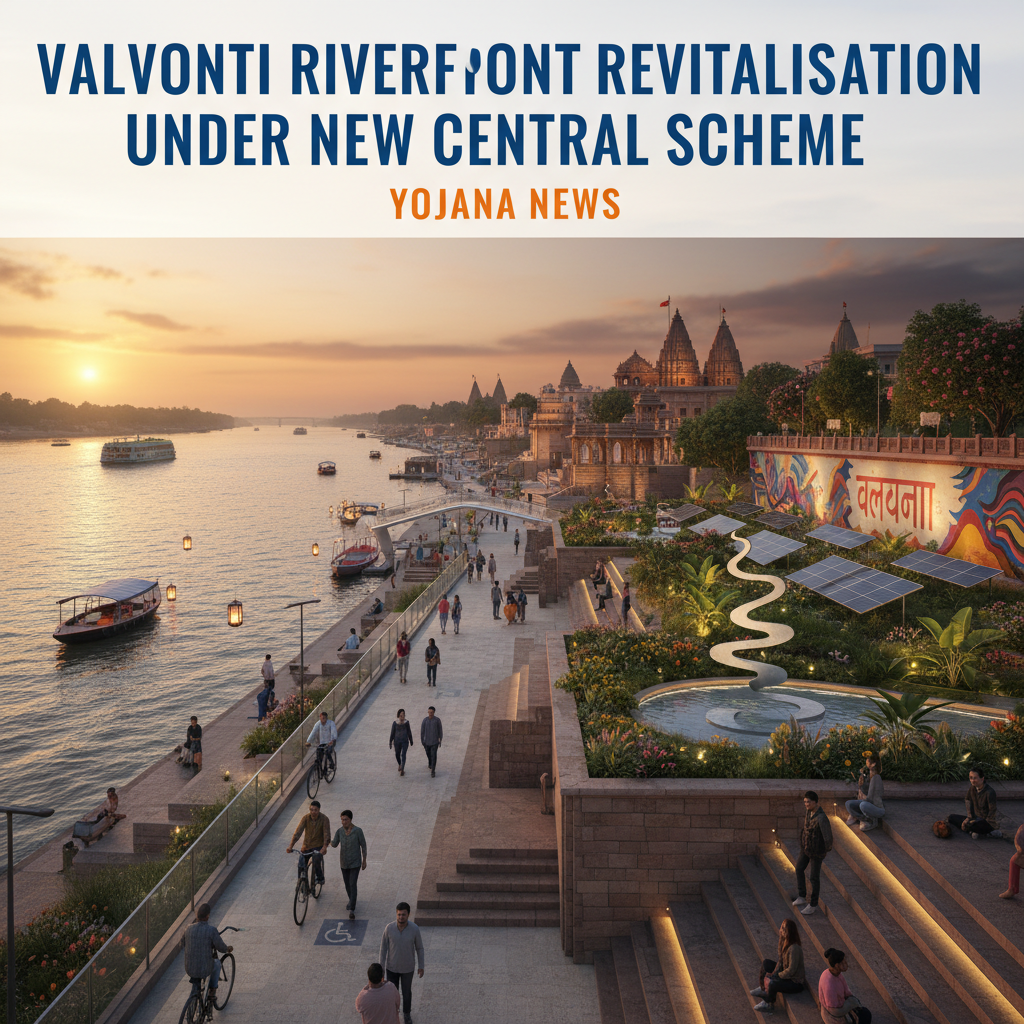
The Valvonti riverfront, a historically resonant stretch of the Ganga in Varanasi, Uttar Pradesh, is poised for a transformational makeover under a newly announced central initiative. Prime Minister Narendra Modi’s administration has earmarked the project as a flagship riverfront revitalisation effort, aiming to convert an underused embankment into a vibrant, multi‑purpose public zone that harmonises heritage preservation with contemporary urban amenities. The scheme aligns with the broader national vision of sustainable riverbank development and seeks to set a replicable benchmark for similar projects across the country. By integrating eco‑friendly design, pedestrian‑centric pathways, cultural exhibition spaces and advanced digital services, the Valvonti riverfront facelift is expected to draw both domestic and international visitors, stimulate local entrepreneurship, and enhance the quality of life for residents of the surrounding districts.
Key Objectives of the Central Scheme
The central programme is built around four inter‑linked objectives that guide every phase of implementation. First, Ecological Restoration focuses on stabilising the riverbank, removing encroachments, planting native flora and installing bio‑solar parks to improve air quality and biodiversity. Second, Heritage Preservation aims to protect historic ghats, memorials and architectural motifs through careful restoration and interpretive signage that educates visitors about the cultural significance of the Ganga. Third, Public Accessibility targets inclusive design, ensuring wheelchair‑friendly promenades, cycling tracks, multilingual kiosks and well‑lit pathways for all demographics. Finally, Economic Upliftment leverages the revitalised space to empower local artisans, food vendors and performers, thereby creating measurable employment opportunities and boosting the regional economy.
Implementation Timeline and Funding
The project is scheduled in three distinct phases spanning 2026 through 2030, reflecting a meticulously planned rollout. Phase One (mid‑2026) entails site clearing, debris removal, and the installation of essential infrastructure, including reinforced drainage, water‑proofing membranes and a reliable power supply network. Phase Two (2027‑2029) expands on this foundation by constructing ornamental promenades, eco‑friendly water features, and refurbishing existing ghats using sustainable materials such as recycled concrete and locally sourced stone. The Final Phase (2030) will see the launch of cultural programming, permanent market stalls for handicrafts and cuisine, and a dedicated digital tourism platform that offers augmented‑reality guides and real‑time visitor information. The entire endeavour is funded through a blended financing model comprising central allocation, state contribution and a public‑private partnership (PPP) that channels corporate social responsibility (CSR) funds. The estimated total outlay stands at ₹1.2 billion, underscoring the government’s commitment to high‑impact, fiscally responsible development. 
Socio‑Economic Impact and Community Benefits
The anticipated socio‑economic dividends extend far beyond aesthetic upgrades. By establishing a safe, well‑lit river corridor, the initiative is projected to reduce petty crime rates, particularly concerning women and children, thereby encouraging greater evening footfall. Local enterprises, especially those engaged in handicrafts, regional cuisine and small‑scale tourism, are expected to witness revenue surges of up to 30 percent within the first fiscal year, as per a recent impact assessment commissioned by the Ministry of Housing and Urban Affairs. Moreover, the project is likely to generate ancillary employment across transport, hospitality, guiding and environmental monitoring sectors, with an estimated creation of 3,500 direct and indirect jobs. Educational institutions in the vicinity, including Banaras Hindu University, are earmarked to collaborate on river ecology research, fostering a culture of scientific inquiry and community‑driven stewardship. The scheme also includes a targeted outreach component that provides eligibility for micro‑enterprise grants to qualifying local vendors, thereby ensuring inclusive economic participation.
Community Engagement, Sustainability and Eligibility
Community participation lies at the heart of the Valvonti revitalisation strategy. Prior to commencement, a series of participatory workshops were conducted with residents, environmental NGOs, cultural groups and municipal officials to gather feedback on design preferences. These consultations resulted in the inclusion of inclusive playgrounds, designated prayer spaces, and locally inspired mural projects that reflect Varanasi’s rich artistic heritage. Sustainability measures are woven throughout the project: rainwater harvesting systems will supply irrigation for planted zones, solar‑powered lighting will illuminate pathways, and comprehensive waste segregation units will be positioned at each major hub. A continuous community stewardship programme invites volunteers to partake in periodic clean‑up drives, ensuring long‑term maintenance. Eligibility for participation benefits, such as micro‑grants and skill‑development workshops, is extended to residents of Varanasi’s adjoining districts who register through the official government portal, facilitating grassroots involvement and empowerment.
Tourism, Cultural Heritage and Economic Potential
The enhanced riverfront is slated to become a cultural nucleus that celebrates the Ganga’s historical and spiritual significance. Dedicated exhibition halls will host rotating displays on the river’s chronicle, folk performances, and artisanal fairs showcasing regional specialties. Leveraging cutting‑edge technology, the project will integrate an augmented‑reality (AR) guide that delivers interactive narratives on historic events, ecological facts and cultural anecdotes, enriching the visitor experience. By attracting cultural tourists, the initiative is projected to extend stay durations and increase per‑visitor expenditure, stimulating adjacent hospitality and transport sectors. Over time, Valvonti could serve as a prototype for other riverfront transformations nationwide, demonstrating how pragmatic investment in heritage, sustainability and community empowerment can generate synergistic social and economic returns. The project’s success is expected to bolster Uttar Pradesh’s tourism statistics, potentially contributing an additional 0.8 percent to the state’s GDP within the first three years of operation, according to forecasts from the Uttar Pradesh Tourism Board.
Stay updated with the latest Yojana schemes and government initiatives for better awareness and eligibility. For personalized guidance on accessing these benefits, reach out to us.