


Uttar Pradesh Ujjwala Subsidy Overview
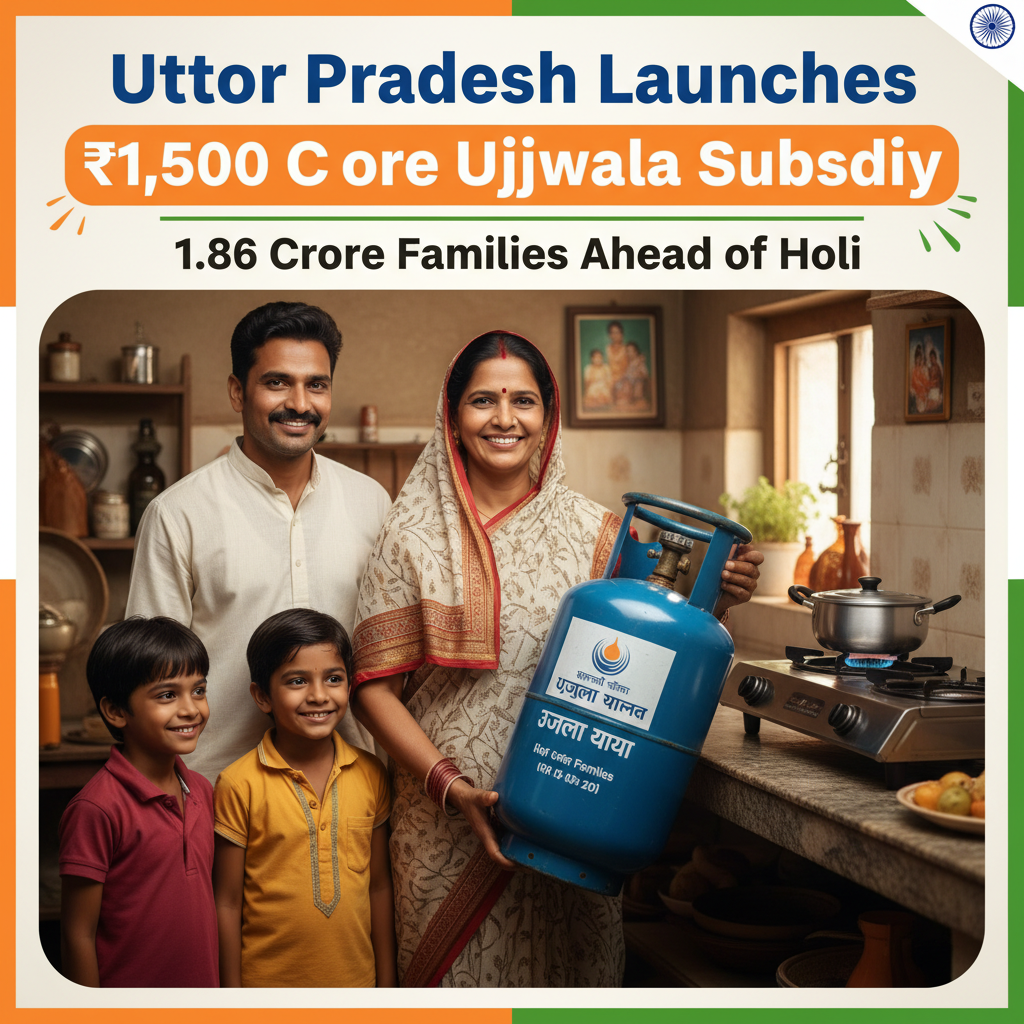
The state government under Chief Minister Yogi Adityanath has sanctioned a ₹1,500 crore subsidy under the Ujjwala scheme that will cover 1.86 crore families in Uttar Pradesh. This initiative aims to provide LPG connections to households still dependent on traditional fuels such as firewood, dung cakes, and coal, ensuring cleaner cooking solutions before the festive season of Holi. The announcement, made in early March 2026, underscores the administration’s commitment to universal energy access and aligns with the national Pradhan Mantri Ujjwala Yojana (Wikipedia). By earmarking over ₹1,500 crore, the scheme represents one of the largest state‑level energy subsidies in India, targeting roughly fifteen percent of the state’s rural households that fall within the most economically vulnerable segments.
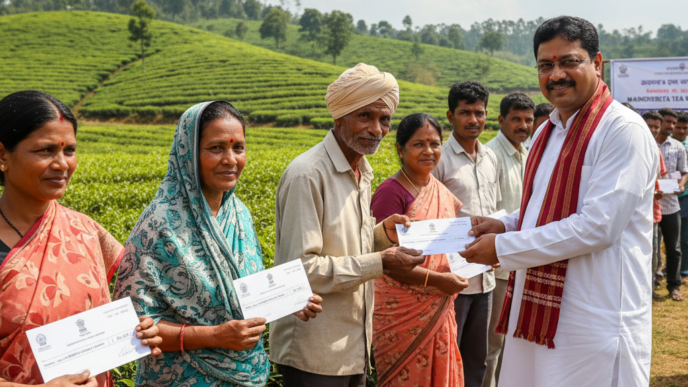
Under the program, eligible families will receive a direct cash subsidy of ₹2,500 per LPG connection, credited to their bank accounts through the Direct Benefit Transfer (DBT) platform. The subsidy will be disbursed in three installments to ensure transparency and reduce administrative bottlenecks. Chief Minister Adityanath highlighted that the timing of the rollout coincides with Holi celebrations, allowing families to adopt clean cooking fuels ahead of the festive period, thereby reducing the health and environmental costs associated with biomass combustion.
Financial Allocation and Distribution Mechanism
The financial outlay of ₹1,500 crore is allocated across multiple channels to guarantee efficient delivery. The primary channel is the DBT system, which transfers the subsidy directly to beneficiaries’ bank accounts once their eligibility is verified. This approach minimizes leakage and ensures that the intended amount reaches the household without intermediaries. According to the state’s finance department, approximately 70 percent of the allocation is earmarked for direct cash transfers, while the remaining 30 percent covers logistics, outreach, and monitoring activities. 
To facilitate the rollout, the government has partnered with the National Payments Corporation of India (NPCI) and leverages the existing Ujjwala portal for beneficiary identification and enrollment. Additional funds are designated for deploying mobile outreach units in remote districts, where connectivity issues often hinder conventional registration processes. The infusion of resources is also expected to stimulate local economies, as increased LPG usage supports small‑scale food enterprises and retail businesses that rely on reliable cooking fuel.
For real‑time tracking, the state has launched a dashboard that updates weekly with enrollment numbers, subsidy credits, and verification status. This transparency measure enables officials to identify gaps promptly and adjust outreach strategies. More information on the financing model can be found on the official Uttar Pradesh Finance Department page UP Finance Portal.
Eligibility Criteria and Registration Process
Eligibility for the Ujjwala subsidy is determined based on a combination of socio‑economic parameters. Households must meet the following conditions:
- Annual income below the poverty line threshold as defined by the Socio‑Economic Caste Census (SECC).
- Ownership of a katcha (unpucca) house or no permanent residence.
- Inclusion in the list of “Below Poverty Line” (BPL) households identified by the state’s Rural Development Department.
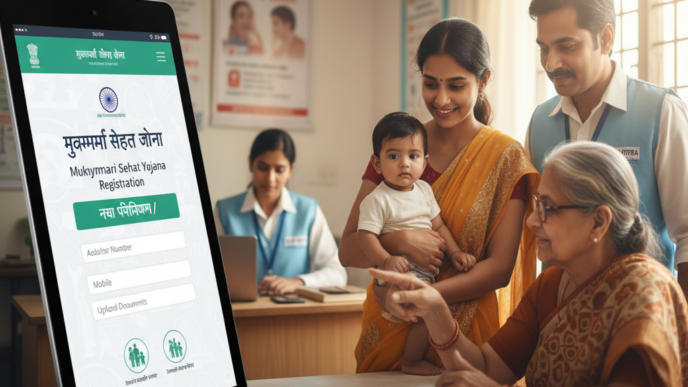
Applicants can submit their documents either online through the Ujjwala portal or physically at designated Common Service Centres (CSCs) in rural areas. Required documents include aadhaar identification, SECC income certificate, and proof of residence. Once verified, the subsidy amount is credited directly to the applicant’s bank account, enabling immediate purchase of an LPG connection from authorized distributors.
The registration window opened on March 5, 2026, and will remain open until the end of the fiscal year, allowing ample time for enrollment. To assist applicants, the state has deployed a network of CSC operators who provide on‑ground assistance, including help with document uploads and verification. For a comprehensive guide on the registration steps, refer to the official scheme brochure Ujjwala Official Portal.
Impact on Energy Access and Public Health
Expanding LPG connectivity is projected to deliver significant improvements in indoor air quality, particularly for women and children who are most exposed to the pollutants generated by burning biomass. Studies conducted by the Indian Institute of Public Health indicate that households that transition from firewood to LPG experience a thirty‑percent decline in chronic respiratory ailments such as asthma and chronic obstructive pulmonary disease (COPD). Moreover, reliable cooking fuel reduces the time spent collecting firewood, freeing up hours for women to engage in income‑generating activities or education.
The health benefits extend beyond individual households. By decreasing indoor smoke, the scheme contributes to lower rates of eye infections and cardiovascular problems in densely populated rural clusters. In addition, cleaner cooking reduces carbon emissions, aligning with national climate‑change mitigation targets. The subsidy is also expected to boost local economies as increased LPG usage stimulates demand for ancillary services, including LPG cylinder manufacturing, distribution, and maintenance.
Community testimonials collected during the pilot phase reflect optimism among beneficiaries. Families in districts such as Gorakhpur and Badaun reported that the upfront financial relief enabled them to purchase LPG connections within weeks, eliminating the need to travel long distances for firewood. For further reading on the health impacts of clean cooking, see the World Health Organization’s report on household air pollution WHO Fact Sheet.
Challenges, Future Outlook, and Political Significance
Despite its ambitious targets, the Ujjwala subsidy scheme faces several logistical challenges. Remote regions with poor road infrastructure and limited banking penetration may experience delays in subsidy credit disbursement. Additionally, awareness campaigns are essential to ensure that all eligible households are informed about the registration process and required documentation. To address these hurdles, the state government plans to collaborate with non‑governmental organizations (NGOs) and deploy mobile outreach units equipped with internet connectivity to reach the most isolated communities.
From a political perspective, the timing of the announcement aligns with upcoming festive celebrations and legislative elections, providing the ruling coalition with a tangible welfare achievement to showcase. Political analysts view the scheme as a strategic move to reinforce rural support bases and demonstrate the government’s commitment to inclusive development. Civil society groups have praised the initiative but have called for robust monitoring mechanisms to prevent exclusion errors and ensure that every eligible household receives the benefit.
Looking ahead, the Uttar Pradesh government intends to integrate the Ujjwala subsidy with broader renewable energy initiatives. Plans are underway to pilot solar‑powered LPG distribution hubs in select districts, aiming to reduce dependency on conventional LPG supply chains and further promote sustainable cooking solutions. The scheme’s success will be measured not only by enrollment numbers but also by measurable improvements in health indicators, energy security, and livelihood enhancement across the state.
Overall, the ₹1,500 crore Ujjwala subsidy represents a pivotal step toward universal clean cooking access in Uttar Pradesh, reflecting the state’s alignment with national objectives and its focus on welfare‑driven growth. Stay tuned for updates on eligibility criteria and application procedures as the program progresses.
Stay updated with the latest Yojana schemes and government initiatives for better awareness and eligibility. For personalized guidance on accessing these benefits, reach out to us.