


Event Overview
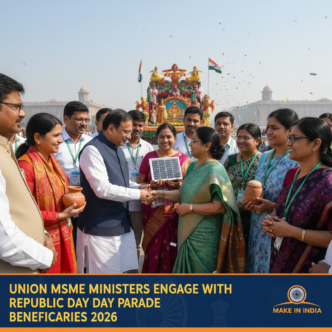
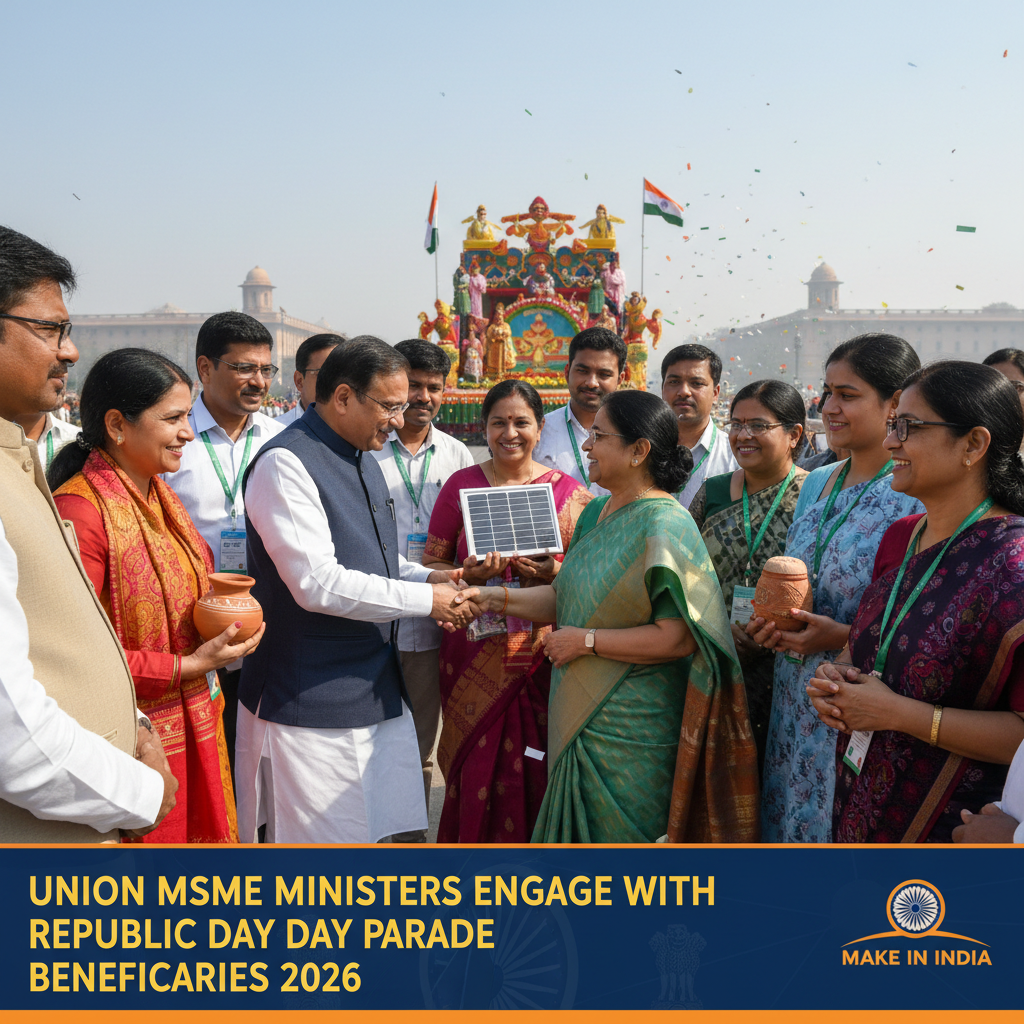
Union Minister for Micro Small and Medium Enterprises Jitan Ram Manjhi and Minister of State Shobha Karandlaje attended the Republic Day Parade 2026 at Kartavya Path in New Delhi as distinguished guests, accompanied by a carefully curated group of MSME beneficiaries who had been selected to witness the ceremonial proceedings. The ministers used the high‑visibility occasion to interact directly with the entrepreneurs, listening to their journeys, challenges, and aspirations while discussing the support required to scale their operations. This engagement formed part of a broader government effort to showcase the contributions of small businesses to national economic development and to reinforce the commitment to fostering an ecosystem that encourages innovation, job creation, and inclusive growth. The event was streamed live across national media platforms, allowing millions of viewers to see the tangible link between policy and grassroots enterprise, and it highlighted the government’s emphasis on Atmanirbhar Bharat as a catalyst for self‑reliance.
Historical Context
The Republic Day Parade has traditionally served as a showcase of India’s cultural diversity, military might, and developmental milestones. Over the decades, the participation of non‑governmental stakeholders has expanded from schoolchildren and cultural groups to include representatives of various sectors such as women’s empowerment, environmental conservation, and technology innovation. In recent years, the Ministry of Micro Small and Medium Enterprises has increasingly featured entrepreneurs who embody the spirit of self‑reliance and grassroots ingenuity. This year’s selection of MSME beneficiaries aligns with the government’s push for Micro, Small and Medium Enterprises (MSME) to be recognized as pillars of economic resilience, especially in the context of post‑pandemic recovery and the drive toward a more digitized economy.
Significance of MSME Participation
Highlighting MSME beneficiaries during a national ceremony signals a strategic shift in how the government perceives the sector: not merely as a statistical category but as a dynamic engine of growth. By positioning these entrepreneurs alongside senior officials, the administration sends a clear message that their contributions are valued and that policy decisions will be informed by their on‑ground realities. The visibility gained through such high‑profile events can translate into enhanced market opportunities, strategic partnerships, and greater access to finance for the participants. Moreover, it provides an inspirational narrative for younger Indians, encouraging them to view entrepreneurship as a viable and respected career path, thereby nurturing a new generation of job creators rather than job seekers. 
Impact on Beneficiaries
For the entrepreneurs who attended the parade, the experience offered an unprecedented opportunity to network directly with policymakers, industry leaders, and fellow innovators. Many shared personal stories of overcoming financing hurdles, navigating regulatory compliance, and scaling operations in competitive markets. The ministers’ attentive listening allowed beneficiaries to voice pressing concerns such as credit accessibility, skill development gaps, and streamlined licensing processes. In response, the ministers highlighted ongoing schemes and signaled upcoming adjustments that aim to simplify compliance, expand credit guarantees, and strengthen mentorship networks, thereby reinforcing the government’s commitment to addressing the specific pain points faced by small business owners.
Government Initiatives for MSME
The Ministry of Micro Small and Medium Enterprises administers a comprehensive suite of programmes designed to bolster the sector’s growth and sustainability. Key initiatives include the Prime Minister’s Employment Generation Programme (PMEGP), which provides credit‑linked subsidies for new enterprises; the Credit Guarantee Fund Trust for Micro and Small Enterprises (CGTMSE), offering collateral‑free loan guarantees; and the National MSME Advisory Council, which serves as a consultative body for policy formulation. Additionally, the Digital MSME Initiative focuses on technology adoption, e‑commerce integration, and skill enhancement to expand market reach. These programmes collectively aim to bridge financing gaps, enhance skill development, and improve market linkage for MSMEs across the country.
Future Outlook and Policy Directions
Looking ahead, the government has indicated plans to refine existing schemes and introduce new measures that simplify compliance, reduce administrative burdens, and promote sustainable growth. Anticipated reforms include expanded credit facilities for women‑led enterprises, incentives for green technology adoption, and enhanced mentorship programmes that connect seasoned entrepreneurs with emerging startups. Continued engagement of MSME representatives in national events is expected to shape these policies, ensuring they remain responsive to ground realities and contribute to a more inclusive economic landscape. Industry analysts suggest that such proactive engagement could accelerate the adoption of digital tools, facilitate access to foreign markets, and foster innovation hubs in underserved regions.
Community Engagement and Entrepreneurial Stories
Beyond the ceremonial aspects, the interaction sparked a series of informal discussions among the beneficiaries about collaborative opportunities and knowledge sharing. Several entrepreneurs presented case studies ranging from artisanal crafts and organic agro‑produce to renewable energy solutions, illustrating the breadth of innovation within the sector. These narratives not only highlighted personal perseverance but also demonstrated how targeted government support can amplify impact. The ministers encouraged the participants to act as ambassadors within their communities, fostering a culture of peer learning, collective advancement, and grassroots entrepreneurship that can ripple across rural and urban ecosystems alike.
Policy Recommendations for Scaling Up
Based on the dialogue, several recommendations emerged aimed at accelerating MSME growth. First, stakeholders called for expanding credit guarantee schemes to cover a higher percentage of loan amounts for early‑stage ventures, thereby reducing financing risk. Second, there was a push to establish regional innovation hubs that provide mentorship, technical assistance, and shared facilities such as laboratories and prototyping labs. Third, participants suggested integrating MSME data into national economic indicators to better inform policy decisions and performance monitoring. Implementing these suggestions could enhance the ecosystem supporting small enterprises, generate broader socioeconomic benefits, and strengthen India’s competitive edge in the global market.
Conclusion
The presence of Union Minister Jitan Ram Manjhi and Minister of State Shobha Karandlaje at the Republic Day Parade 2026 alongside MSME beneficiaries reflects a strategic effort to integrate small‑business voices into the national discourse. By highlighting their achievements and challenges, the government reaffirms its dedication to fostering an environment where entrepreneurship can thrive. This engagement not only celebrates the contributions of micro, small, and medium enterprises but also paves the way for targeted policy interventions that can drive inclusive growth and reinforce India’s economic foundation, positioning the nation for sustained development in an increasingly dynamic global landscape.
Stay updated with the latest Yojana schemes and government initiatives for better awareness and eligibility. For personalized guidance on accessing these benefits, reach out to us.