


Introduction
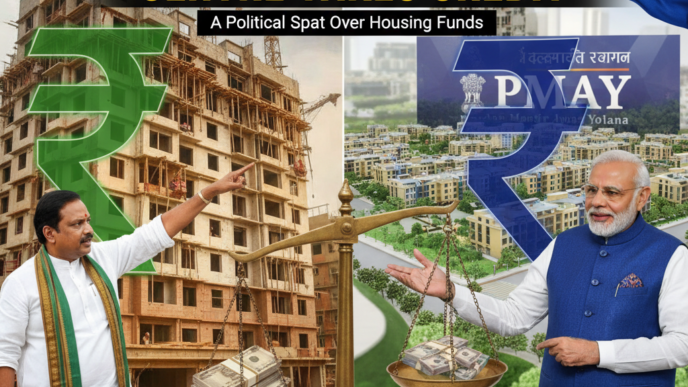
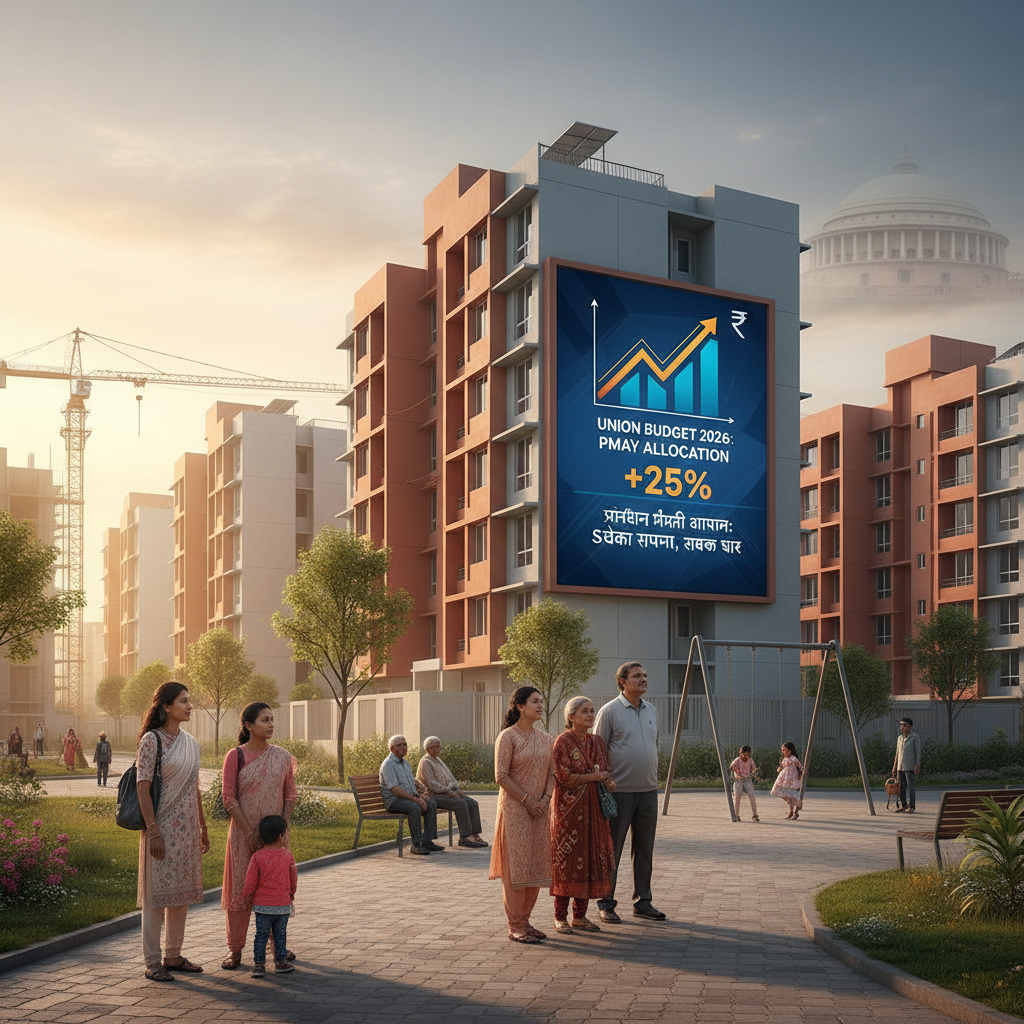
The Union Budget 2026 has placed affordable housing at the forefront of India’s development agenda, unveiling a decisive push to revitalise the Pradhan Mantri Awas Yojana (PMAY). With an allocation of ₹30,000 crore — a 25 percent increase over the previous fiscal year — the Ministry of Housing and Urban Affairs aims to fast‑track the delivery of pucca houses to millions of low‑ and middle‑income families. This budgetary boost reflects a broader strategy that blends financial muscle, policy refinement, and robust monitoring to achieve the “Housing for All” vision by 2028.
Historical Context and Evolution of PMAY
Launched in 2015, PMAY was initially conceived as a flagship programme to provide “Housing for All” by 2022. Over the past decade the scheme has progressed through three phases — Urban, Rural, and In‑Situ Upgradation — each delivering varying successes. Official data show more than 20 million houses constructed under the Urban component, yet the pace slowed in recent years due to funding constraints and procedural bottlenecks. The 2026 budget draws on these lessons, integrating the successes of earlier phases with a renewed focus on speed, quality, and inclusivity. For a detailed timeline, see the Wikipedia overview of PMAY.
Financial Allocation and Overall Funding Surge
Finance Minister Nirmala Sitharaman announced a dedicated outlay of ₹30,000 crore for PMAY, marking a historic surge in funding for affordable housing. This increase is earmarked not only for new construction but also for essential infrastructure upgrades such as road connectivity, sanitation, and renewable‑energy integration within housing complexes. A contingency fund of ₹2,500 crore has also been set aside to absorb cost overruns and safeguard project timelines. The financial infusion underscores the government’s commitment to bridging the urban‑rural housing gap and stimulating ancillary industries like cement, steel, and building materials. 
Distribution of Funds Across Urban and Rural Segments
The budgetary resources are split into two primary streams: 55 percent for urban housing projects and 45 percent for rural initiatives. Within the urban segment, priority is given to tier‑2 and tier‑3 cities — including hubs such as Jaipur, Lucknow, and Mysuru — where demand pressure is most acute. The rural allocation targets aspirational districts identified through MGNREGA mapping, aiming to develop affordable housing clusters with basic amenities. Additionally, a portion of the funds is reserved for public‑private partnership (PPP) models, encouraging private developers to contribute to the affordable‑housing supply chain and expand their participation in the sector.
Key Policy Amendments Introduced
The 2026 budget introduces several substantive modifications to PMAY’s operational framework. Among the most impactful changes are an expanded eligibility ceiling, revised subsidy structures, and fortified supervisory mechanisms. These amendments are designed to broaden the scheme’s reach, enhance financial accessibility, and ensure delivery adheres to rigorous quality standards. The policy shifts also aim to align the programme with contemporary economic realities and increasing household aspirations.
Eligibility Expansion and Target Demographics
One of the most notable changes is the widening of the income eligibility threshold. Families with an annual household income of up to ₹12 lakh are now eligible for consideration, a substantial rise from the earlier cap of ₹6 lakh. This adjustment is expected to bring an additional 5 million households into the fold, particularly benefiting residents of peri‑urban and semi‑urban regions. The budget also introduces a dedicated category for women‑headed households, guaranteeing them priority placement in the allocation queue.
Credit‑Linked Subsidy Scheme for Middle‑Income Groups
To complement the direct cash subsidy model, the budget proposes a credit‑linked subsidy scheme that offers an interest‑rate reduction of up to 4 percent on home loans for middle‑income families earning between ₹12 lakh and ₹24 lakh per annum. The subsidy will be disbursed through participating banks and housing finance institutions, reducing the effective cost of borrowing and making home ownership more financially viable. This mechanism is anticipated to stimulate demand in the affordable‑housing segment and incentivise financial institutions to expand their loan portfolios to eligible applicants.
Strengthened Oversight and Monitoring Mechanisms
The Ministry of Housing has introduced a multi‑layered supervision model that incorporates real‑time project dashboards, third‑party audits, and community‑based monitoring committees. These tools provide transparent visibility into construction progress, expenditure patterns, and compliance with statutory norms. Failure to meet predefined milestones triggers corrective actions, including reallocation of funds to more productive projects and the imposition of penalties on lagging agencies. For more on monitoring frameworks, refer to the Governance principles on Wikipedia.
Implementation Timeline and Phased Roll‑Out
The rollout will commence in April 2026, with the first phase targeting the construction of 1.5 million affordable units across high‑demand corridors in Delhi‑NCR, Mumbai, Bengaluru, and Chennai. Subsequent phases will expand to tier‑2 cities and subsequently to rural blocks, aiming for a cumulative target of 5 million new houses by the end of fiscal year 2028. State governments must submit detailed implementation roadmaps by June 2026, outlining site acquisition strategies, contractor selection processes, and timelines for each construction batch. This phased approach ensures that resources are mobilised efficiently and that each region receives tailored solutions to its housing deficits.
State‑Level Execution and Capacity Building
Effective implementation hinges on the capacity of state housing departments to coordinate land allocation, streamline approval processes, and oversee contractor performance. To support this, the central government will allocate an additional ₹2,500 crore for capacity‑building programmes, including training workshops, technical assistance, and the deployment of monitoring officers. This ancillary funding is designed to strengthen grassroots administrative abilities and ensure that state‑level execution aligns with national quality benchmarks. State‑specific case studies, such as the Karnataka housing initiatives, illustrate how targeted capacity building can accelerate project delivery.
Economic Implications and Employment Generation
Industry analysts estimate that the ₹30 billion infusion will generate upwards of 300,000 direct and indirect jobs across construction, engineering, and ancillary services. The ripple effect is expected to boost sectors such as cement, steel, and building materials, thereby stimulating macro‑economic growth. Moreover, the anticipated rise in home ownership is projected to increase consumer confidence, leading to downstream consumption in furniture, appliances, and related services. This economic multiplier effect underscores how affordable housing can act as a catalyst for broader developmental outcomes.
Monitoring, Evaluation, and Future Course Corrections
The Ministry plans to institute a comprehensive monitoring framework that combines quantitative metrics — such as houses completed, funds utilisation, and beneficiary satisfaction — with qualitative assessments. An independent oversight council, comprising experts from academia, civil society, and the private sector, will conduct periodic reviews and recommend course corrections. This evidence‑based approach aims to keep the programme agile and responsive to emerging challenges. For insights into impact evaluation methods, see the Wikipedia entry on impact evaluation.
Potential Challenges and Mitigation Strategies
Despite the optimistic outlook, several risks could impede progress. Land‑acquisition delays, bureaucratic inertia, and insufficient private‑sector participation are foremost concerns. To mitigate these, the budget proposes legislative reforms to expedite land‑title clearances, fast‑track environmental approvals, and offer fiscal incentives to private developers who commit to affordable‑housing quotas. Additionally, a grievance redressal mechanism will be established to address beneficiary complaints promptly. These safeguards are intended to preserve momentum and ensure that the programme remains resilient to operational hurdles.
Conclusion and Outlook
In summary, the Union Budget 2026 represents a decisive step forward for the Pradhan Mantri Awas Yojana, blending fiscal generosity with strategic policy reforms. By expanding eligibility, enhancing subsidy mechanisms, and fortifying oversight, the government aims to transform the affordable‑housing landscape and bring the vision of “Housing for All” within tangible reach. Stakeholders across the spectrum — government agencies, private developers, and citizen beneficiaries — express cautious optimism that these measures will catalyse sustainable, inclusive growth and lay the foundation for a robust housing ecosystem in the years ahead.
Stay updated with the latest Yojana schemes and government initiatives for better awareness and eligibility. For personalized guidance on accessing these benefits, reach out to us.