


Union Budget 2026: Full List of Government Schemes
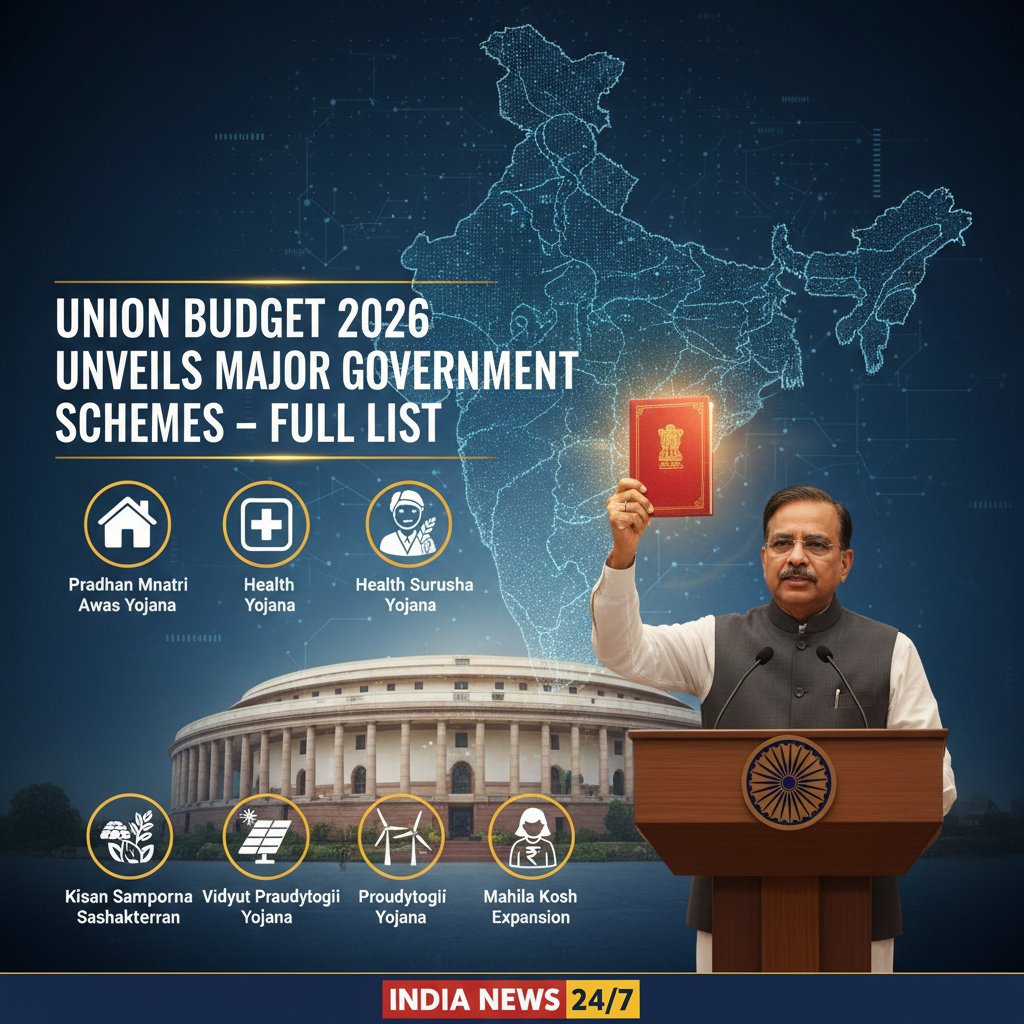
The Union Budget 2026 was presented by the Finance Minister on February 1, 2026, unveiling a sweeping portfolio of initiatives designed to accelerate inclusive growth across India. The government allocated a record ₹3.2 lakh crore to a suite of schemes spanning housing, health, agriculture, education, skill development, and renewable energy. Each programme is anchored in the broader vision of a self‑reliant nation, with a focus on empowering youth and women, strengthening rural infrastructure, and enhancing access to quality health and education services. This article provides an in‑depth look at every announced scheme, the funding earmarked for each, eligibility criteria, and the tangible benefits expected for citizens.
Key Themes Shaping Budget 2026
Three overarching themes dominate this year’s fiscal roadmap: youth and women empowerment, rural infrastructure development, and health and education enhancement. The Budget explicitly ties financial allocations to these pillars, ensuring that policy decisions are outcome‑driven. For instance, a substantial portion of the budget is earmarked for digital upskilling programmes that target the 10‑million youth cohort, while parallel investments aim to provide affordable housing to millions of urban and rural families. Rural connectivity receives a boost through road‑building and power projects, and a universal health cover is being rolled out to protect 1.5 billion citizens. Together, these themes signal a decisive shift toward a more equitable and resilient economy.
Major Schemes by Sector
- Pradhan Mantri Awas Yojana 2026 – Allocates ₹25,000 crore to deliver affordable housing to 3 million families by 2028, emphasizing low‑cost construction techniques and public‑private partnerships.
- Pradhan Mantri Health Suraksha Yojana – Extends universal health insurance up to ₹10 lakh per family per year, adds ₹10,000 crore for new medical colleges, and aims to set up 200 primary health centres in underserved blocks.
- Pradhan Mantri Kisan Sampoorna Sashaktikaran Yojana – Increases direct cash transfers to ₹6,000 per season for eligible farmers, raises the scheme’s budget to ₹18,000 crore, and provides subsidies for seeds and fertilizers.
- Pradhan Mantri Swasthya Raksha Yojana – Deploys tele‑medicine hubs, mobile health vans, and community health workers with a ₹5,000 crore outlay, targeting a 20 % reduction in maternal mortality within five years.
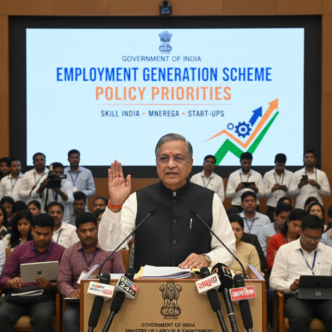
- Pradhan Mantri Skill Development Yojana – Invests ₹3,000 crore to upskill 10 million youth, focusing on AI, data analytics, and emerging technologies, with industry‑aligned certifications.
- Pradhan Mantri Mahila Kosh Expansion – Boosts the corpus to ₹10,000 crore to provide micro‑finance, mentorship, and market linkage for women entrepreneurs.
- Pradhan Mantri Gramin Sadak Yojana Phase III – Plans to construct 10,000 km of all‑weather roads connecting 50,000 villages, funded at ₹12,000 crore, with provisions for sustainable drainage systems.
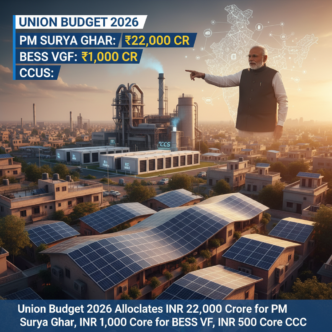
- Pradhan Mantri Vidyut Praudyogiki Yojana – Allocates ₹20,000 crore for renewable energy projects, targeting a 30 % renewable capacity share by 2030 and offering incentives for rooftop solar and small‑scale wind installations.
Detailed Overview of Select Initiatives
Pradhan Mantri Awas Yojana 2026 aims to construct 1.5 million low‑cost housing units in the first two years, leveraging prefabricated building technologies to reduce time and expense. Eligible beneficiaries include families earning less than ₹10 lakh annually, with priority given to those living in informal settlements. The scheme encourages private developers to participate through a public‑private partnership model, offering interest subsidies on loans and tax incentives for developers who meet affordability criteria. 
Pradhan Mantri Health Suraksha Yojana expands the umbrella of Ayushman Bharat by introducing a universal insurance cover of up to ₹10 lakh per family per annum. In addition to funding 200 new primary health centres, the programme integrates tele‑medicine services to reach remote populations, ensuring that even the most isolated communities can access specialist consultations without traveling long distances.
Pradhan Mantri Kisan Sampoorna Sashaktikaran Yojana continues the tradition of direct income support to small and marginal farmers. The cash transfer of ₹6,000 per season is transferred directly to beneficiaries’ bank accounts, reducing leakage and ensuring timely assistance. Complementary subsidies on seeds, fertilizers, and irrigation equipment are also disbursed, aiming to increase average crop yields by an estimated 12 percent over the next three years.
Pradhan Mantri Swasthya Raksha Yojana focuses on preventive healthcare through a network of mobile health vans that travel to villages on a rotating schedule. These vans are equipped with basic diagnostic tools and staffed by accredited health workers who conduct health camps, nutrition workshops, and maternal wellness checks. The initiative is projected to reach over 30 million rural residents annually, significantly improving early disease detection and treatment adherence.
Pradhan Mantri Skill Development Yojana partners with leading industry bodies such as NASSCOM and CII to design curricula that reflect the rapidly evolving demands of the digital economy. Trainees receive certifications recognized internationally, opening pathways to employment in sectors like fintech, renewable energy, and advanced manufacturing. The programme also includes a stipend of ₹5,000 per month for trainees from economically weaker sections, ensuring that financial constraints do not impede participation.
Pradhan Mantri Mahila Kosh Expansion now offers a revolving fund of ₹10,000 crore specifically targeting women‑led micro‑enterprises. In addition to direct credit, the scheme provides mentorship from seasoned entrepreneurs and facilitates market linkages through e‑commerce platforms. Early pilots have shown a 40 percent increase in revenue for participating women entrepreneurs within the first year of operation.
Pradhan Mantri Gramin Sadak Yojana Phase III prioritizes connectivity by constructing 10,000 km of all‑weather roads that link remote hamlets to district headquarters and major market centers. Sustainable drainage systems are integrated to mitigate flood risks, and the roads are designed to accommodate electric vehicle charging stations, aligning with the broader renewable energy objectives of the budget.
Pradhan Mantri Vidyut Praudyogiki Yojana envisions a decisive shift toward clean power generation. The allocation of ₹20,000 crore supports the installation of 25 GW of solar capacity and 15 GW of wind power by 2030. Incentives for rooftop solar installations include a 30 % capital subsidy for residential users and a streamlined permitting process, encouraging households to become prosumers and contribute to grid stability.
Funding Allocation and Fiscal Implications
The total outlay for all announced schemes amounts to ₹3.2 lakh crore, marking a 9 % increase over the previous fiscal cycle. While the fiscal deficit is projected to remain within the targeted 5.8 % of GDP, the government plans to finance the additional expenditure through a combination of tax reforms, strategic borrowings, and the monetization of certain infrastructure bonds. State governments will co‑fund several initiatives, particularly those related to rural roads and primary healthcare, through matching grants that require a 30 % state contribution. This collaborative financing model is intended to foster state‑level ownership and ensure efficient implementation at the grassroots level.
Implementation Roadmap and Monitoring
A dedicated inter‑ministerial task force, headed by the Ministry of Finance and comprising representatives from the Ministry of Rural Development, Health, and Skill Development, has been constituted to oversee the rollout of these schemes. The task force will publish quarterly performance reports on a publicly accessible dashboard, where key indicators such as beneficiary counts, fund utilization rates, and milestone achievements will be displayed in real time. Independent audits will be conducted annually to verify compliance and to identify any implementation bottlenecks, allowing for rapid course corrections.
Projected Socio‑Economic Impact
Experts anticipate that, if executed effectively, these schemes could lift over 30 million individuals out of poverty, reduce rural distress migration by an estimated 15 percent, and improve India’s human development indices across health, education, and gender equity. The emphasis on skill development is expected to create a pipeline of 10 million certified workers ready to meet the demands of emerging sectors such as AI, renewable energy, and e‑commerce. Additionally, the renewable energy push aims to cut the nation’s carbon emissions intensity by 30 percent by 2030, aligning with India’s climate commitments under the Paris Agreement.
Conclusion
Union Budget 2026 presents a comprehensive suite of government schemes that address critical gaps in housing, health, agriculture, education, and infrastructure. With substantial funding allocations, clear eligibility criteria, and robust monitoring mechanisms, the initiatives signal a proactive stance toward inclusive and sustainable development. Citizens are encouraged to stay informed about the rollout timelines, eligibility requirements, and application processes for each scheme, and to leverage the opportunities they provide for socioeconomic advancement.
Stay updated with the latest Yojana schemes and government initiatives for better awareness and eligibility. For personalized guidance on accessing these benefits, reach out to us.