


Tamil Nadu Women Celebrate Rs 5,000 Cash Aid Under CM Stalin’s Scheme
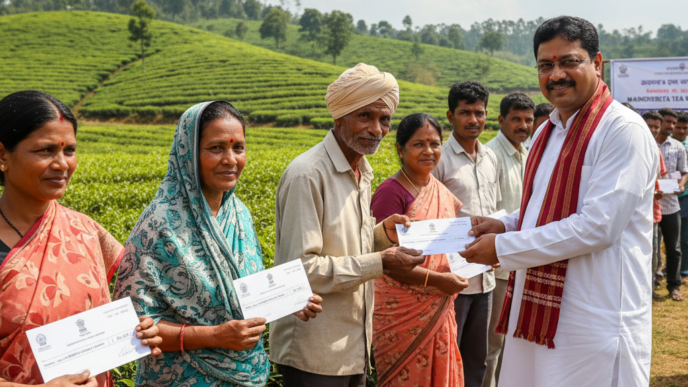
The announcement of a Tamil Nadu women Rs 5000 scheme by Chief Minister M. K. Stalin has sparked widespread enthusiasm across urban and rural pockets of the state. This landmark initiative, part of the broader welfare agenda of the Tamil Nadu government, earmarks a one‑time cash assistance of up to Rs 5,000 for eligible women who head households or belong to economically vulnerable groups. By directly targeting women, the program seeks to amplify the ripple effect of female consumer spending, which research shows lifts child‑nutrition rates, school enrolment, and overall household welfare. As the first installment of the disbursement of funds begins to flow into bank accounts, beneficiaries are already reporting tangible improvements in daily life, from purchasing school supplies to covering medical emergencies.
Comprehensive Eligibility and Inclusion Criteria
To qualify for the cash assistance, applicants must meet precise eligibility parameters set by the Social Welfare Department. The scheme explicitly covers widowed women, single mothers, heads of households classified below the poverty line, and women belonging to Scheduled Castes or Scheduled Tribes whose family income does not exceed the state‑defined threshold. Additionally, each applicant must possess a valid Aadhaar card, an active bank account linked to a recognized financial institution, and a verifiable residence in Tamil Nadu. The verification process cross‑references the Public Distribution System (PDS) and the state’s welfare registries, ensuring that duplicate claims are eliminated and that only genuine beneficiaries receive the benefit.
Step‑by‑Step Journey from Application to Approval
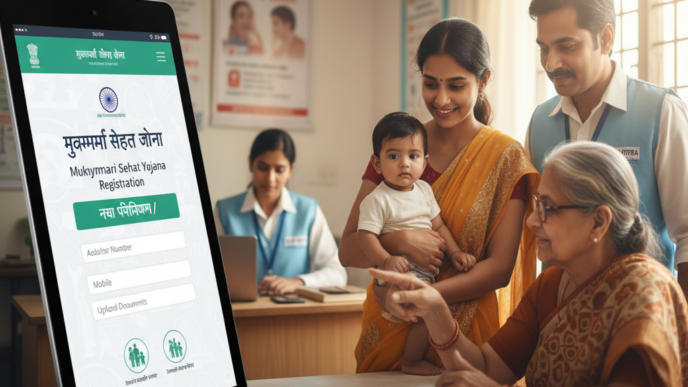
The process commences on the official Tamil Nadu welfare portal (https://tn.gov.in/schemes), where prospective beneficiaries create a secure user profile. After logging in, applicants upload scanned copies of essential documents, including Aadhaar, bank passbook, residence proof, and community certificates for SC/ST categories. The portal’s validation engine automatically cross‑checks these entries against the PDS database, flagging any anomalies for manual review. Within a 30‑day window, approved applicants receive an acknowledgment SMS and an email confirming the case status. Upon approval, the first installment—approximately Rs 1,667—is transferred directly to the beneficiary’s bank account, and a confirmation message appears on the bank statement with the narration “Tamil Nadu Women’s Cash Assistance – Installment 1”. 
Three‑Month Installment Structure and Follow‑Up Mechanisms
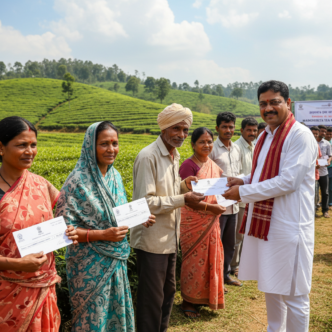
The assistance is disbursed in three equal installments over three months, designed to provide a steady financial boost rather than a lump‑sum payment. Each installment appears on the bank statement with a unique identifier, and beneficiaries receive an automated SMS confirming the credit. Along with this notification, a short questionnaire link is sent, inviting recipients to share feedback on how the funds are being used. This feedback loop enables the government to monitor spending patterns, identify successful usage cases, and adjust future disbursement strategies. Subsequent installments follow the same delivery channel, ensuring transparency and reducing the likelihood of fund leakage.
Real‑World Impacts on Families and Communities
Since the rollout in early 2024, grassroots NGOs in Chennai, Salem, and Tiruchirappalli have reported a surge in applications, especially among historically marginalized groups who previously faced barriers to accessing state benefits. Testimonials illustrate transformative effects: a single mother in Coimbatore used a portion of the aid to purchase school uniforms and books for her two children; a widow in Madurai allocated funds to purchase a basic medical kit for her elderly parents, reducing out‑of‑pocket health expenses. Social media campaigns featuring local influencers have amplified awareness, leading to a 22 % increase in application submissions compared with the previous fiscal quarter’s welfare releases.
Economic Ripple Effects and Micro‑Enterprise Growth
Economic analysts at the Indian Institute of Management Chennai have modeled the macro‑economic implications of the scheme. Their simulations indicate that injecting Rs 5,000 per eligible woman into the local economy can generate up to Rs 7,500 in additional expenditure, driven by the high propensity of female consumers to allocate cash toward essential goods, services, and small‑scale business inputs. Small retailers in Madurai and Coimbatore have reported a measurable uptick in sales volumes as beneficiaries purchase inventory, signage, and raw materials. This micro‑enterprise stimulation not only fuels local economies but also fosters a more resilient informal sector that can absorb vulnerable workers.
Policy Recommendations and Anticipated Enhancements
Stakeholders have proposed several refinements to broaden reach and efficacy. First, integrating mobile banking platforms such as Paytm and Google Pay could streamline disbursements for women lacking formal bank accounts, leveraging India’s rapidly expanding digital payments ecosystem. Second, establishing a dedicated multilingual helpline staffed by trained operators would assist applicants navigating the online portal and clarify eligibility nuances. Third, linking the cash assistance to skill‑development programs—such as handicraft training, digital literacy, or agricultural upskilling—could empower recipients to transition into higher‑earning occupations, thereby reducing long‑term dependency on welfare transfers.
Benchmark Against National Welfare Initiatives
While cash‑transfer schemes exist across India—most notably the Pradhan Mantri Kisan Samman Nidhi for farmers—the Tamil Nadu women Rs 5000 scheme stands out for its gender‑centric focus and its structured three‑installment delivery model. National programs tend to be sector‑wide and do not specifically target household economics through female beneficiaries. By concentrating resources on women, the Tamil Nadu initiative aligns with global best practices that demonstrate how women’s economic empowerment can accelerate broader socioeconomic development, particularly in education and health outcomes.
Expert Commentary on Gender‑Focused Cash Transfers
Dr. Anjali Menon, a gender economist at the Centre for Development Studies, highlighted findings from longitudinal studies that show cash transfers to women improve household welfare metrics by up to 30 %. She stressed the importance of granular data collection on consumption patterns to fine‑tune future disbursement schedules and to detect potential leakages. Dr. Menon also called for periodic independent audits to safeguard against intermediaries siphoning resources and to ensure that the benefits reach the intended recipients without delay.
Future Expansion Plans and Eligibility Outlook
The Tamil Nadu government has announced plans to expand the scheme’s eligibility criteria in the upcoming fiscal year. Proposals include incorporating women employed in the informal sector who lack stable income, as well as widows and single mothers who previously fell outside the poverty‑line cut‑off but demonstrate acute financial vulnerability. By iteratively refining the program, the administration aims to cement the cash assistance as a cornerstone of its social protection framework, fostering sustainable livelihoods and reinforcing the state’s commitment to inclusive growth.
Conclusion: A Milestone in Women‑Centric Welfare
In sum, the Rs 5,000 cash assistance scheme exemplifies how targeted, transparent, and women‑focused financial interventions can generate measurable improvements in living standards across Tamil Nadu. Continuous stakeholder engagement, robust monitoring, and adaptive policymaking will be essential to sustain momentum and achieve the ultimate objective of socioeconomic upliftment for all women in the state.
Stay updated with the latest Yojana schemes and government initiatives for better awareness and eligibility. For personalized guidance on accessing these benefits, reach out to us.