



Overview of the Initiative
In a landmark move to strengthen non‑communicable disease (NCD) care in the southern state, the Tamil Nadu government launched the Tamil Nadu diabetes hypertension care scheme earlier this year. Backed by a dedicated allocation of INR 150 crore for the first phase, the programme targets districts with a high prevalence of metabolic disorders, prioritising women and rural residents who traditionally face barriers to specialised healthcare. By integrating mobile health units, tele‑medicine platforms and community‑based outreach, the scheme seeks to close the urban‑rural health gap and align with the National Health Policy 2022. Early data released by the state health department indicate a measurable rise in primary‑care utilisation, with over 450,000 individuals screened in the initial months, underscoring the scheme’s potential to become a replicable model for other states.
Key Components of the Scheme
The architecture of the Tamil Nadu diabetes hypertension care scheme rests on four interlocking pillars, each designed to amplify access and quality of care.
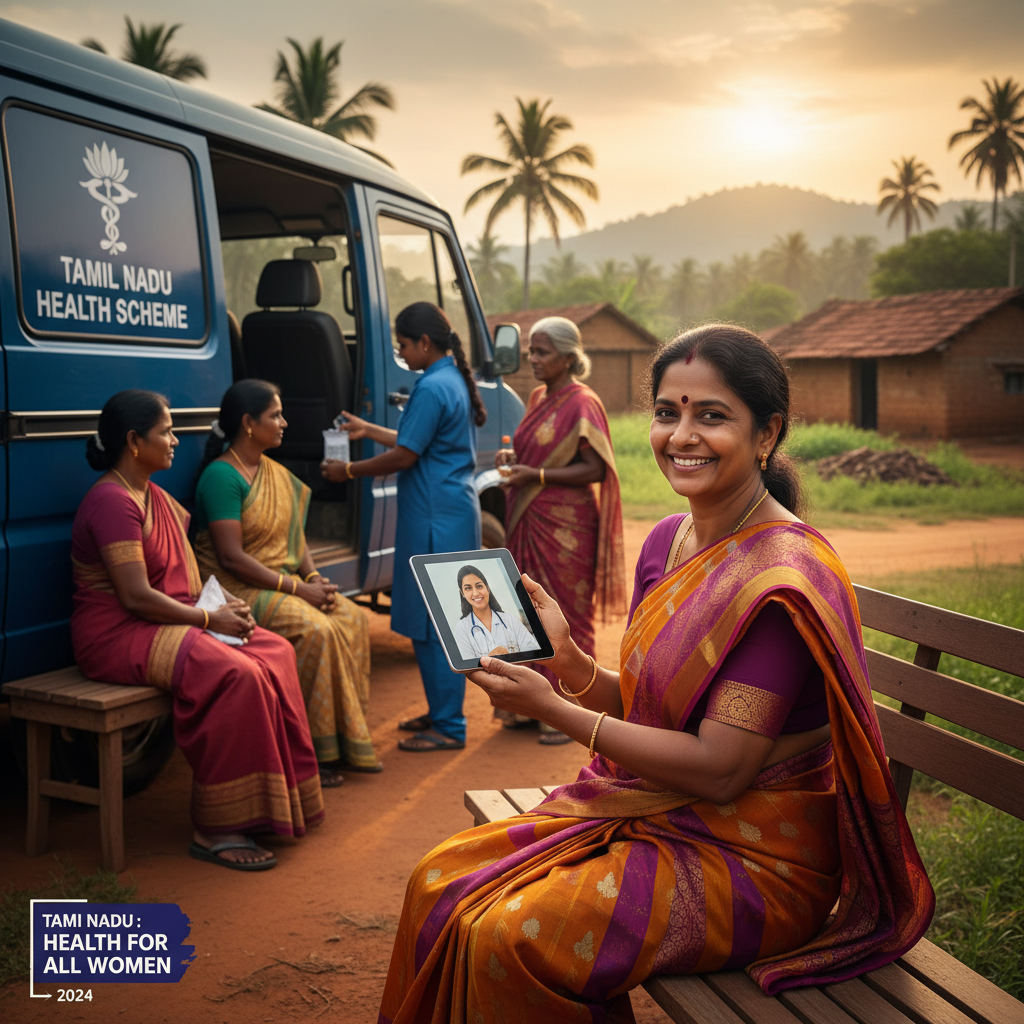
- Mobile Health Clinics: A fleet of 120 fully equipped vans traverses remote villages, offering free blood‑glucose and blood‑pressure screenings, on‑site medication dispensing, and health education. Each clinic collaborates with local panchayats to schedule sessions that suit community calendars.
- Telemedicine Connectivity: Leveraging 5G‑enabled broadband in select districts, patients can consult endocrinologists and cardiologists via secure video links. This reduces travel costs and time, especially for women juggling household responsibilities.
- Community Health Worker Training: Over 2,500 Accredited Social Health Activist (ASHA) workers have completed a specialize module on NCD detection, enabling them to identify early symptoms, conduct home visits, and refer complicated cases promptly.
- Subsidised Medication: Essential anti‑diabetic and anti‑hypertensive tablets are made available at state‑run pharmacies at a 40‑50 % discount, ensuring affordability for low‑income households.
These components are mutually reinforcing, creating a seamless referral network that channels patients from screening to treatment without interruption. 
Eligibility, Enrollment and Uptake
Eligibility for the Tamil Nadu diabetes hypertension care scheme is open to all residents of the targeted districts who are aged 18 years and above, with a specific focus on women of reproductive age (15‑49) and senior citizens over 60. Registration can be completed in person at the nearest mobile clinic, through the state health mobile app, or via designated ASHA workers. Once enrolled, beneficiaries receive a unique health ID that synchronises with the tele‑medicine platform, allowing doctors to pull up medical histories instantly. Since the scheme’s rollout, enrollment figures show that 71 % of participants hail from rural backgrounds, and women constitute 58 % of the total enrolment, reflecting the targeted gender‑sensitive approach.
Recent surveys indicate that more than 84 % of respondents rated the service “highly satisfactory,” citing reduced waiting times and the convenience of remote consultations as key factors in their positive experience.
Impact on Women and Rural Populations
Women form the cornerstone of the initiative, given their heightened vulnerability to gestational diabetes and pregnancy‑induced hypertension. A recent impact assessment revealed a 32 % increase in prenatal visits to health centers among women aged 15‑49 in the pilot districts, alongside a 27 % reduction in uncontrolled blood‑pressure readings among pregnant participants. Early detection has translated into tangible health gains; for instance, a 38‑year‑old farmer from Tiruvannamalai reported that regular monitoring enabled her to manage gestational hypertension without recourse to hospitalisation, resulting in a safe delivery of her second child.
Rural outreach has been equally robust. Mobile clinics have visited more than 1,200 villages, extending services to an estimated 450,000 individuals who previously had limited access to diagnostic facilities. Tele‑medicine sessions have logged over 78,000 consultations, with a notable 65 % of these occurring in settlements more than 30 kilometres from the nearest tertiary hospital. The combination of doorstep screening and virtual specialist access is steadily diminishing the urban‑rural disparity in NCD management.
Policy Context and Alignment with National Initiatives
The Tamil Nadu diabetes hypertension care scheme fits neatly within the broader national framework for NCD prevention and control. By dovetailing with the Ayushman Bharat Pradhan Mantri Jan Arogya Yojana, the state programme leverages existing health‑insurance infrastructure to subsidise hospitalisation costs for complications arising from diabetes or hypertension. Moreover, the initiative mirrors the objectives of the National Health Policy 2022, which emphasises equitable access, preventive care, and integration of digital health solutions. Policymakers view the Tamil Nadu model as a template for scaling integrated NCD services across India’s diverse socio‑geographic landscape.
Technology and Infrastructure Details
At the heart of the scheme lies a hybrid health‑delivery ecosystem that blends physical and virtual touchpoints. Mobile health units are equipped with point‑of‑care hemoglobin testing devices, automatic blood‑pressure monitors, and electronic health‑record tablets that upload data to a central cloud repository in real time. Tele‑medicine hubs, established in 50 primary health centres, operate on a 24/7 rotation staffed by specialist physicians from Chennai and Coimbatore. These hubs are connected via a dedicated fibre‑optic backbone funded under the Digital India programme, ensuring low‑latency video consultations even in remote blocks. Additionally, a state‑wide analytics dashboard, powered by machine‑learning algorithms, tracks key performance indicators such as screening coverage, medication adherence, and disease‑progression trends, enabling dynamic resource allocation.
Implementation Roadmap and Future Milestones
Looking ahead, the Tamil Nadu health department has charted an ambitious three‑phase roadmap extending to 2028. Phase 1 (2024‑2025) focuses on pilot districts, establishing baseline metrics and refining protocols. Phase 2 (2026‑2027) expands the network to all 38 districts, deploying an additional 500 tele‑health hubs and training a further 5,000 community health volunteers. Phase 3 (2028) introduces an advanced predictive analytics layer that anticipates outbreak hotspots and optimises drug distribution. Key milestones include achieving 90 % screening coverage for the target population, reducing the prevalence of uncontrolled diabetes among women by 20 % by 2030, and institutionalising a statewide NCD registry to support evidence‑based policymaking.
Community Feedback and Expert Opinions
Beneficiaries’ voices illustrate the scheme’s real‑world impact. “I never imagined I could get a free check‑up so close to home,” says Meena, a 42‑year‑old farmer from Tiruvannamalai. “The counsellor explained lifestyle modifications that lowered my blood pressure without medication, and I now feel more energetic.” Similar testimonials flood social media, with rural women sharing stories of fewer hospital visits, improved maternal outcomes, and renewed confidence in managing chronic conditions.
Public‑health experts have lauded the initiative as a watershed moment for inclusive care. Dr. Lakshmi Narayanan, Professor of Public Health at the Indian Institute of Public Health, remarks, “The gender‑sensitive, technology‑driven approach sets a new benchmark for NCD interventions in low‑resource settings.” Meanwhile, Dr. Ramesh Gupta, an endocrinology specialist, highlights the scheme’s capacity to generate robust real‑world evidence on the effectiveness of community‑based diabetes and hypertension management.
Long‑Term Vision and Sustainable Impact
The ultimate ambition of the Tamil Nadu diabetes hypertension care scheme is to foster a self‑sustaining health ecosystem where preventive screening and continuous disease management are embedded in community life. By 2030, the state aims to achieve a 20 % reduction in the proportion of women with uncontrolled diabetes and a 15 % decline in hypertension‑related complications across rural zones. Realising these targets will require sustained investment in digital infrastructure, partnerships with academic research centres, and rigorous evaluation of programme outcomes. Success would not only improve individual health trajectories but also alleviate the fiscal burden on tertiary hospitals, paving the way for nationwide replication of this integrated model.
Stay updated with the latest Yojana schemes and government initiatives for better awareness and eligibility. For personalized guidance on accessing these benefits, reach out to us.