


Overview of PM Awas Yojana
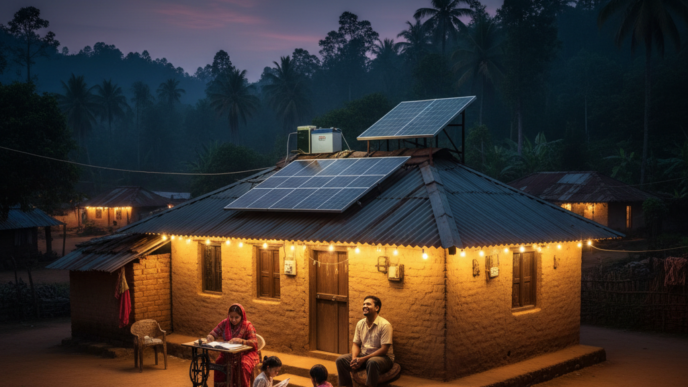
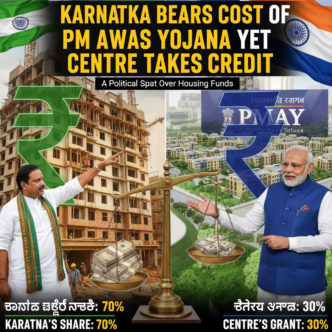
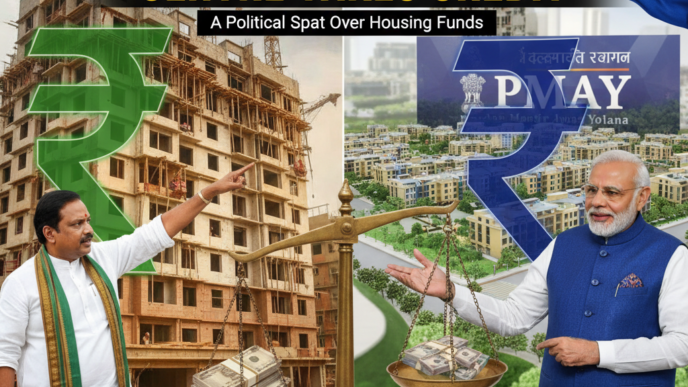
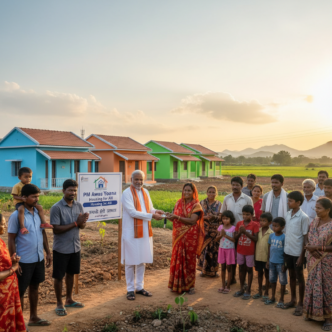
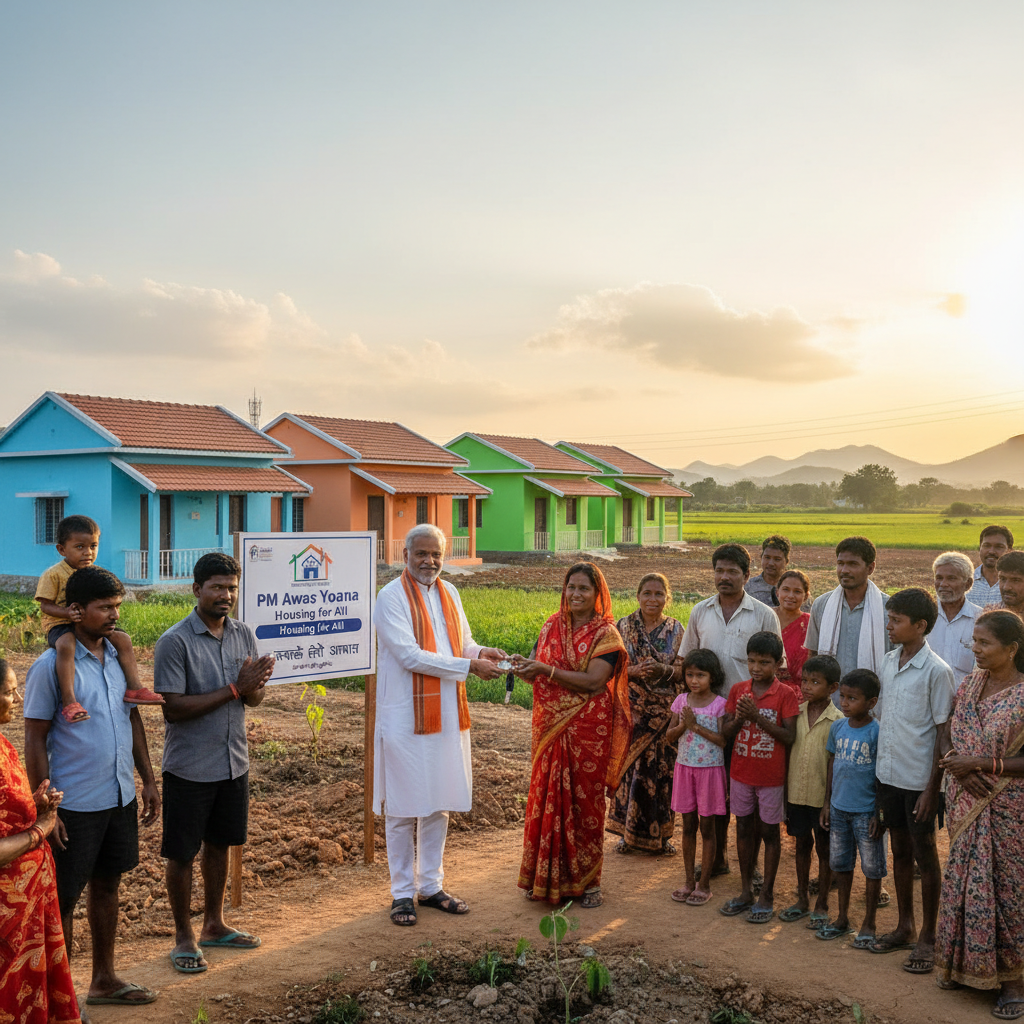
Prime Minister Narendra Modi launched PM Awas Yojana (PMAY) in June 2015 with the national ambition of “Housing for All” by the year 2022. The scheme targets urban and rural poor who live in kutcha (temporary) structures or face the threat of demolition. Beneficiaries receive an upfront subsidy that can be used to either construct a new pucca house or upgrade an existing dwelling to meet minimum standards of safety, sanitation and durability. The program integrates interest subvention on home loans, facilitates institutional financing and deploys a real‑time monitoring dashboard to ensure transparent implementation across states. For the latest policy updates, refer to the official Press Information Bureau release and the Wikipedia overview.
Eligibility Criteria and Benefits
The eligibility framework of PMAY is built around income, land ownership and existing housing conditions. Households with an annual income of up to ₹18 lakh in urban areas and ₹12 lakh in rural areas qualify as “affordable housing” candidates. Special categories receive priority, including families living below the poverty line, daily‑wage earners, and members of Scheduled Castes, Scheduled Tribes and other vulnerable groups. Eligible families can obtain a subsidy of up to ₹2.67 lakh for metropolitan cities, ₹2.40 lakh for other urban areas and ₹2.00 lakh for rural habitats, depending on the component chosen.
Beneficiaries have two primary options: (1) In‑situ Upgradation, where the subsidy funds improvements such as toilets, electricity connections and water supply; or (2) New Construction, enabling the purchase of a plot and the building of a house on it. The scheme also offers collateral‑free loans of up to ₹2 lakh for those who lack traditional mortgage assets, reducing financial barriers for first‑time home owners. 
- Priority for low‑income and marginalised households
- Financial assistance for new construction or upgrading
- Interest subvention on home loans
- Collateral‑free micro‑loans for building materials
Implementation Strategy in Chhattisgarh: Targeting Surrendered Naxals
Chhattisgarh has adapted PMAY to address its unique socio‑political landscape, particularly in regions that have witnessed prolonged insurgency. The state government identified high‑need blocks with concentrations of surrendered Naxals and their families, integrating them into the national housing agenda. Local panchayats conduct community‑driven verification of documentation, ensuring that only genuine beneficiaries receive assistance. The Rural Development Department provides technical oversight, from site selection and architectural design to construction supervision, while regular field visits and public meetings foster transparency and grievance redressal.
A distinctive component of the Chhattisgarh rollout is the Special Rehabilitation Category, which earmarks a higher subsidy tier for surrendered insurgents and their dependents. By providing permanent, habitable homes near livelihood hubs—such as agricultural fields, skill‑training centres and health clinics—the administration seeks to weave these families into the mainstream economy, diminish the risk of re‑radicalisation and promote socio‑economic stability. This targeted approach aligns with the state’s broader peace‑building objectives and illustrates how a national scheme can be locally customised.
Financial Assistance and Support Mechanisms
Beneficiaries under the surrendered Naxal category receive an enhanced subsidy—often up to 20 % higher than the standard PMAY allocation—to offset the elevated construction costs in remote, terrain‑challenged locations. The disbursement occurs in instalments tied to construction milestones: foundation laying, wall erection and final hand‑over. In addition, the Chhattisgarh government offers interest‑free loans for essential building materials, and partners with micro‑finance institutions to provide supplementary credit for furniture and household appliances.
Skill‑development is embedded in the housing package. The state runs parallel training programmes in masonry, carpentry, plumbing and electrical work, enabling beneficiaries to monetise new competencies and sustain long‑term income streams. These initiatives are financed through the MGNREGA platform and state‑run livelihood missions, creating a direct link between housing security and economic empowerment.
Monitoring, Evaluation and Socio‑Economic Impact
A robust monitoring ecosystem tracks every stage of a housing project, from beneficiary identification to key hand‑over. The PMAY Dashboard provides real‑time data on fund utilisation, construction progress and beneficiary demographics, facilitating independent audits by the Comptroller and Auditor General (CAG). Grievance mechanisms comprise a three‑tiered structure: village‑level committees, block‑level officer cells and a state‑level grievance redressal portal, ensuring timely resolution of delays or quality concerns.
The broader socio‑economic impact of this integrated model is already evident. Families relocated into secure housing report improved health outcomes, higher school enrolment rates for children and greater participation in local governance. Employment generated during construction phases injects cash into peripheral economies, while long‑term residency encourages community‑driven development projects. Moreover, by addressing the root causes of unrest—such as landlessness and inadequate shelter—the initiative contributes to lasting peace in conflict‑prone districts, positioning Chhattisgarh as a replicable model for other states.
Stay updated with the latest Yojana schemes and government initiatives for better awareness and eligibility. For personalized guidance on accessing these benefits, reach out to us.