


Cash Transfers and Fiscal Stress: State Welfare Race Meets Budget Reality
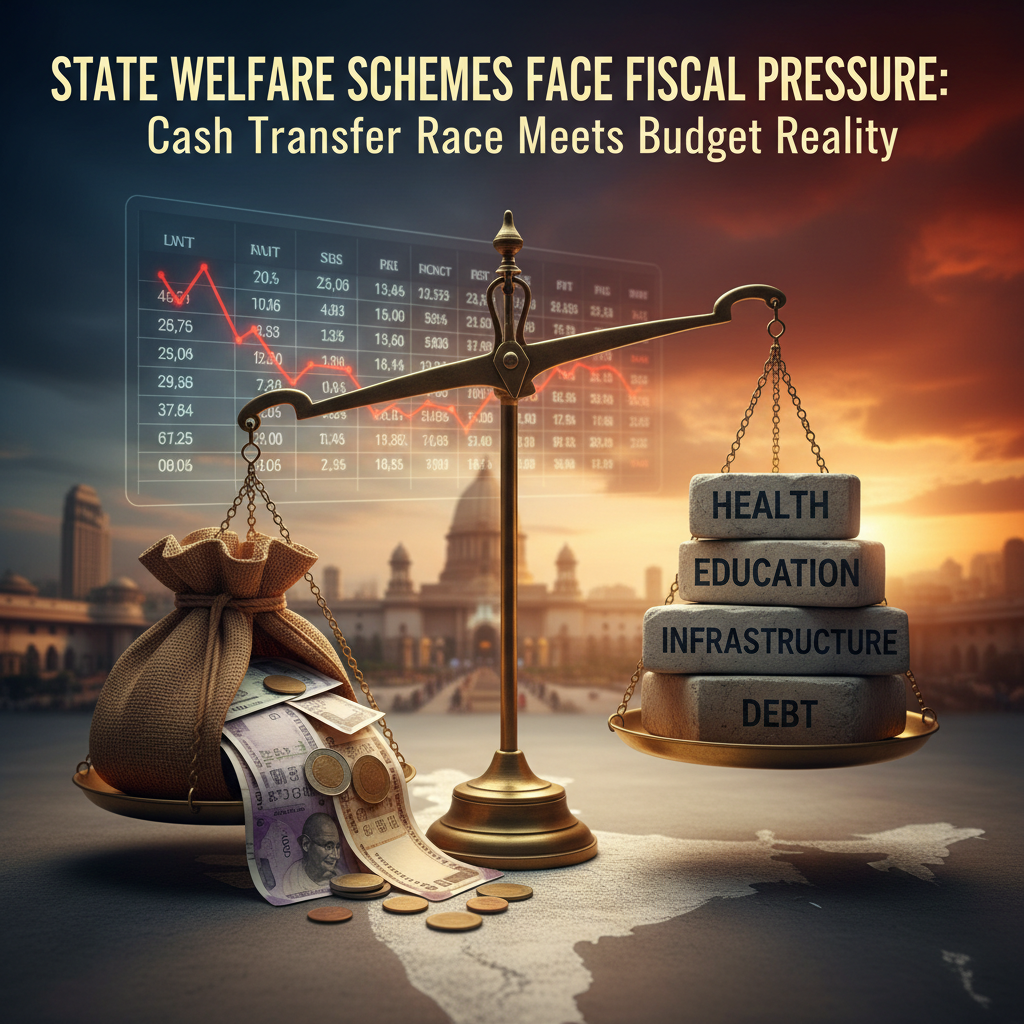
India’s federal structure grants states considerable autonomy in designing welfare programmes, yet the rising ambition to launch cash‑transfer initiatives is colliding with tightening fiscal space. In the latest reporting from Frontline Magazine, analysts map how a wave of state‑level cash‑transfer schemes — aimed at supplementing flagship programmes such as the PM‑Kisan and MGNREGA — are being weighed against dwindling revenue growth, rising debt‑to‑GSDP ratios, and the fiscal fallout of the pandemic. The article underscores a paradox: while cash transfers promise direct poverty alleviation and political mileage, they also demand sustained outlays that strain state budgets already committed to health, education and infrastructure. For citizens, the promise of immediate cash may be tempered by the sustainability of the programme.
The Expanding Cash‑Transfer Landscape
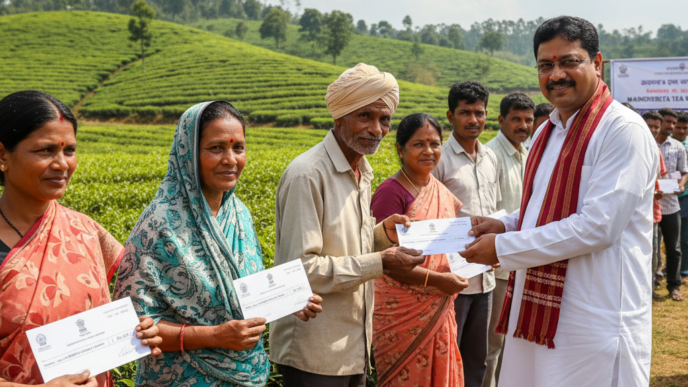
Over the past three years, at least twelve states have announced or scaled up cash‑transfer components within existing welfare programmes. Some focus on universal basic income pilots for agricultural families, others target specific groups such as widows, tribal communities, or adolescent girls. The logic is simple: cash eliminates the overhead of in‑kind subsidies, reduces leakages, and can be disbursed through existing banking channels. Cash‑transfer pilots range from modest monthly stipends of ₹1,000 to larger guaranteed incomes that rival the minimum wage, creating a patchwork of eligibility criteria, payment frequencies and monitoring mechanisms that complicates any attempt to assess fiscal impact at a national level. Recent initiatives include Kerala’s “Kudumbashree Cash Transfer,” which channels ₹2,000 per month to ultra‑poor households identified through a community‑based verification process, and Punjab’s scheme that links payments to Aadhaar‑verified bank accounts to curb duplicate claims.
Fiscal Pressures on State Budgets
State governments finance welfare largely through own tax revenues, transfers from the Centre, and market borrowings. The 2023‑24 fiscal year saw several states report a fiscal deficit exceeding 5 % of GSDP, a marked increase from the 3 % average observed a decade ago. Debt‑to‑GSDP ratios have crossed the 30 % threshold in several high‑spending states, limiting their capacity to raise fresh resources. At the same time, the central government’s GST compensation framework remains fragmented, and the share of central fiscal transfers has plateaued, forcing states to explore alternative revenue streams. NITI Aayog’s fiscal outlook indicates that without revenue augmentation, any new cash‑transfer commitment risks crowding out essential capital expenditure, especially in sectors like rural roads and renewable energy that are crucial for long‑term growth. 
Operational Footprint of State Initiatives
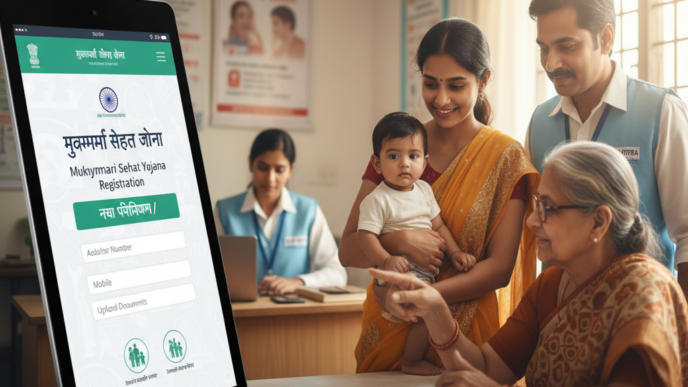
Implementation costs — such as expanding bank‑account coverage, training data‑entry staff, and conducting social audits — often erode the net fiscal benefit of cash‑transfer pilots. Kerala’s robust Self‑Help Group (SHG) network enables real‑time monitoring and grievance redressal, while Punjab and Rajasthan have adopted biometric authentication linked to Aadhaar to reduce duplicate claims. The use of mobile wallets and digital platforms can lower transaction costs, but reliance on digital infrastructure introduces vulnerabilities; outages or exclusion errors can delay payments and erode public trust. Key integration points include:
- Integration with existing pension and scholarship schemes
- Use of mobile wallets to reduce transaction costs
- Periodic audits to verify beneficiary eligibility
These operational layers add a hidden fiscal burden that policymakers must factor into budgetary calculations.
Challenges for Existing Welfare Schemes
Cash‑transfer ambitions intersect with iconic national programmes such as the Pradhan Mantri Awas Yojana, the National Food Security Act, and the Swachh Bharat Mission. When states allocate a larger share of their limited budget to direct cash, the ripple effect can be felt in delayed fund releases for these schemes, potentially jeopardising timelines and outcomes. For instance, a state that reallocates ₹5,000 crore from its housing fund to a cash‑transfer pilot may experience slower progress on affordable‑housing targets, prompting criticism from both beneficiaries and the Ministry of Housing. Critics argue that cash transfers, while efficient, do not address structural deficits in service delivery that often underlie poverty. Press Information Bureau releases on scheme performance highlight the risk of diluting impact when fiscal resources are stretched.
Policy Recommendations and Future Outlook
To reconcile the welfare race with fiscal prudence, experts suggest a three‑pronged approach:
- Revenue augmentation: Expand state‑level tax bases through digitalisation of land records and formalisation of informal sectors.
- Expenditure prioritisation: Adopt a performance‑based budgeting framework that ties cash‑transfer funding to measurable poverty‑reduction indicators.
- Centre‑state collaboration: Push for a revised GST compensation formula and greater flexibility in the central‑state transfer pool to cushion fiscal shocks.
Conditional cash transfers that tie disbursements to school enrolment or health‑check‑up compliance can generate synergistic gains in human development while preserving fiscal discipline. Looking ahead, the interaction between cash‑transfer schemes and fiscal stress will likely shape the next phase of India’s welfare architecture. If states can successfully integrate cash transfers into a broader fiscal strategy — leveraging data analytics, strengthening revenue mobilisation, and fostering centre‑state partnerships — the model could deliver both targeted assistance and fiscal resilience. Conversely, failure to reconcile ambitious welfare goals with realistic budget constraints may exacerbate fiscal deficits, prompting a retreat from cash‑heavy approaches and a return to more conventional, in‑kind subsidies.
Stay updated with the latest Yojana schemes and government initiatives for better awareness and eligibility. For personalized guidance on accessing these benefits, reach out to us.