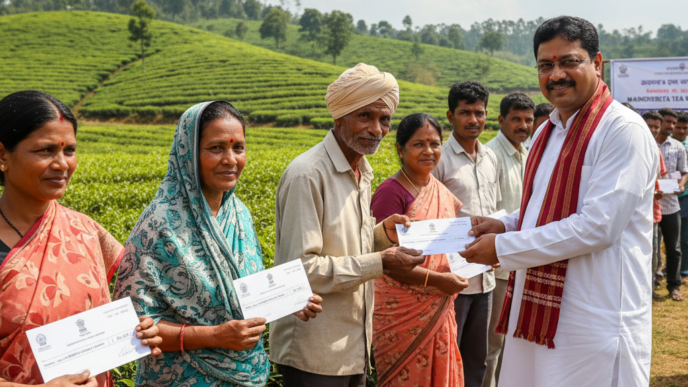





President Droupadi Murmu to Launch Delhi Lakhpati Bitiya Yojana on 2 March
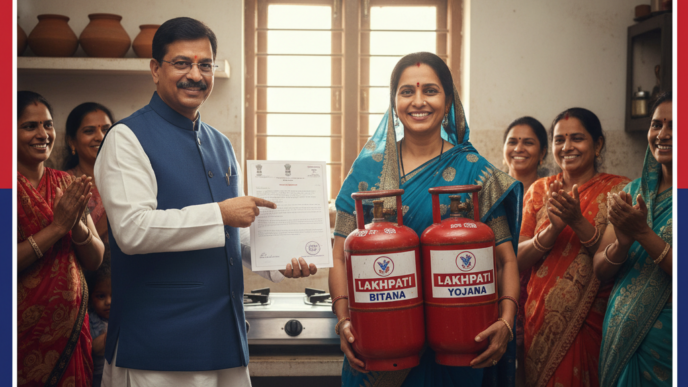
President Droupadi Murmu will formally unveil the Delhi Lakhpati Bitiya Yojana on 2 March 2026 during a high‑profile ceremony at the Raj Bhavan lawn. The launch event will be streamed live across government portals, underscoring the scheme’s national significance. Prime Minister Narendra Modi’s “women‑led development” narrative is expected to be highlighted, positioning Delhi’s initiative as a flagship model for other states seeking to elevate girls’ economic prospects.
CM Rekha Gupta’s Economic Security Shield for Daughters
Alongside the presidential launch, Chief Minister Rekha Gupta announced an “Economic Security Shield” that guarantees a ₹2 lakh financial shield for each eligible daughter upon reaching the age of 18. The shield can be utilised for schooling, health expenses, or start‑up capital, aiming to alleviate the long‑standing fiscal pressure on families, especially those from low‑income brackets. The programme is slated to be integrated with the Delhi Women’s Empowerment Portal for seamless enrollment and verification.
Key Features of the Lakhpati Bitiya Yojana
The scheme is designed to empower 100,000 girls by the end of the fiscal year, effectively transforming them into “lakhpatis” – financially literate and self‑reliant young women. Core components include: 
- Direct cash transfer: ₹1 lakh is transferred directly to the beneficiary’s bank account when she turns 18.
- Skill‑development programmes: Access to certified training in digital marketing, handicrafts, and emerging green technologies.
- Micro‑entrepreneur mentorship: Partnerships with incubators and angel investors to nurture business ideas.
- Financial literacy workshops: Mandatory sessions conducted in schools and community centres.
- Low‑interest bank loans: Collaboration with major banks to provide startup loans at rates below 6 %.
- Real‑time monitoring dashboard: A state‑run portal tracks disbursements, usage, and outcome metrics.
Implementation Timeline and Reach
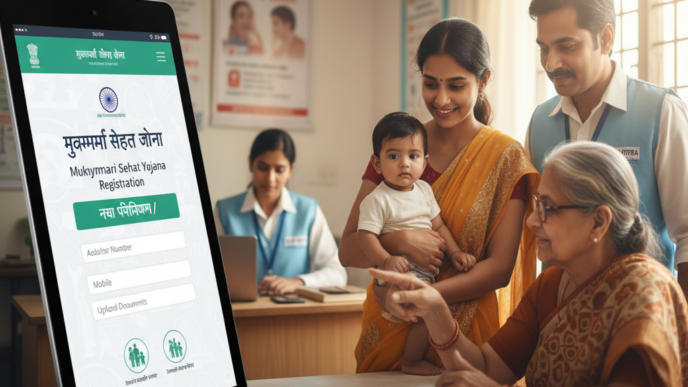
The rollout follows a phased approach. The pilot phase will initially cover 10,000 girls from districts identified as having high poverty indices, with priority given to slums in East Delhi and North West Delhi. Applications will be processed through the Delhi Women’s Empowerment Portal, where district women officers will verify eligibility based on household income, school enrolment, and age. By 2028 the programme aims to expand its beneficiary base to 50,000 girls, supported by an allocation of ₹150 crore from the state budget. The scheme also earmarks a matching grant of 30 % from the Ministry of Women and Child Development, reinforcing inter‑governmental synergy.
Government Rationale and Policy Context
During a press briefing, Chief Minister Rekha Gupta emphasized that the Delhi Lakhpati Bitiya Yojana aligns with the broader vision of “women‑led development” championed by Prime Minister Narendra Modi. The Economic Security Shield is presented as a preventive measure against early marriage and school dropout, encouraging higher enrolment in secondary education. Moreover, the initiative dovetails with existing welfare programmes such as Beti Bachao Beti Padhao and the Mahila Kisan Sashaktikaran Yojana, creating a cohesive ecosystem that addresses education, health, and economic stability for girls.
Expert Opinions and Reactions
Political analysts and gender scholars have largely praised the scheme’s dual focus on financial security and skill acquisition. Dr. Anjali Mehta, Director of the Centre for Gender Studies, remarked, “The substantial cash shield combined with entrepreneurship support can fundamentally alter the economic trajectory of thousands of young women, fostering independence and reducing reliance on informal labor.” Conversely, opposition parties have voiced concerns over fiscal sustainability, urging the government to ensure transparent monitoring and to safeguard against fund leakage. Experts recommend robust third‑party audits and community oversight to maintain public trust.
Impact on Welfare and Social Security Landscape
If successfully implemented, the Delhi Lakhpati Bitiya Yojana could become a benchmark for other Indian states aiming to integrate financial inclusion with gender empowerment. The scheme complements nationwide initiatives like the Pradhan Mantri Kisan Samman Nidhi and the NationalGirlChild Scholarship, creating a layered safety net that addresses both immediate and long‑term needs of girl children. By linking cash transfers to skill development, the programme also aligns with the Sustainable Development Goal 5 on gender equality, potentially influencing policy design across the sub‑continent.
Funding and Monitoring Mechanisms
The Delhi Government has earmarked funds from its annual budget, supplemented by a central matching grant aimed at scaling the initiative. A dedicated oversight committee, comprising representatives from the Finance Department, Social Welfare, and civil‑society organisations, will review quarterly performance reports and ensure adherence to financial norms. The monitoring dashboard will feature real‑time analytics on disbursement amounts, beneficiary uptake, and outcome indicators such as school completion rates and business start‑ups, fostering data‑driven decision‑making and public accountability.
For policymakers seeking to replicate this model, reference can be made to successful precedents such as the Karnataka ‘Karnataka Mahila Kisan Sashaktikaran Yojana’ (Wikipedia) and the Maharashtra ‘Mahatma Jyotiba Phule Janalakshmi Yojana’ (Wikipedia), both of which demonstrate how state‑level cash transfers can be leveraged for broader socio‑economic upliftment.
Potential Challenges and Future Outlook
While the scheme enjoys strong political backing, several challenges remain. Fiscal constraints could strain the ₹150 crore allocation if enrollment exceeds projections, necessitating contingency planning. Additionally, ensuring that funds reach the intended beneficiaries—particularly in remote or under‑documented areas—requires robust verification mechanisms to curb fraud. The government plans to mitigate these risks through a phased expansion, rigorous monitoring, and periodic audits by independent agencies. If these safeguards prove effective, the Delhi Lakhpati Bitiya Yojana may set a precedent for nationwide adoption, catalyzing a transformative shift in how girl‑child empowerment is approached across India.
Stay updated with the latest Yojana schemes and government initiatives for better awareness and eligibility. For personalized guidance on accessing these benefits, reach out to us.