


Introduction
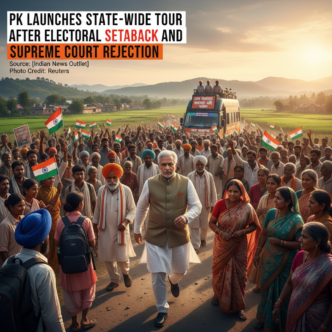
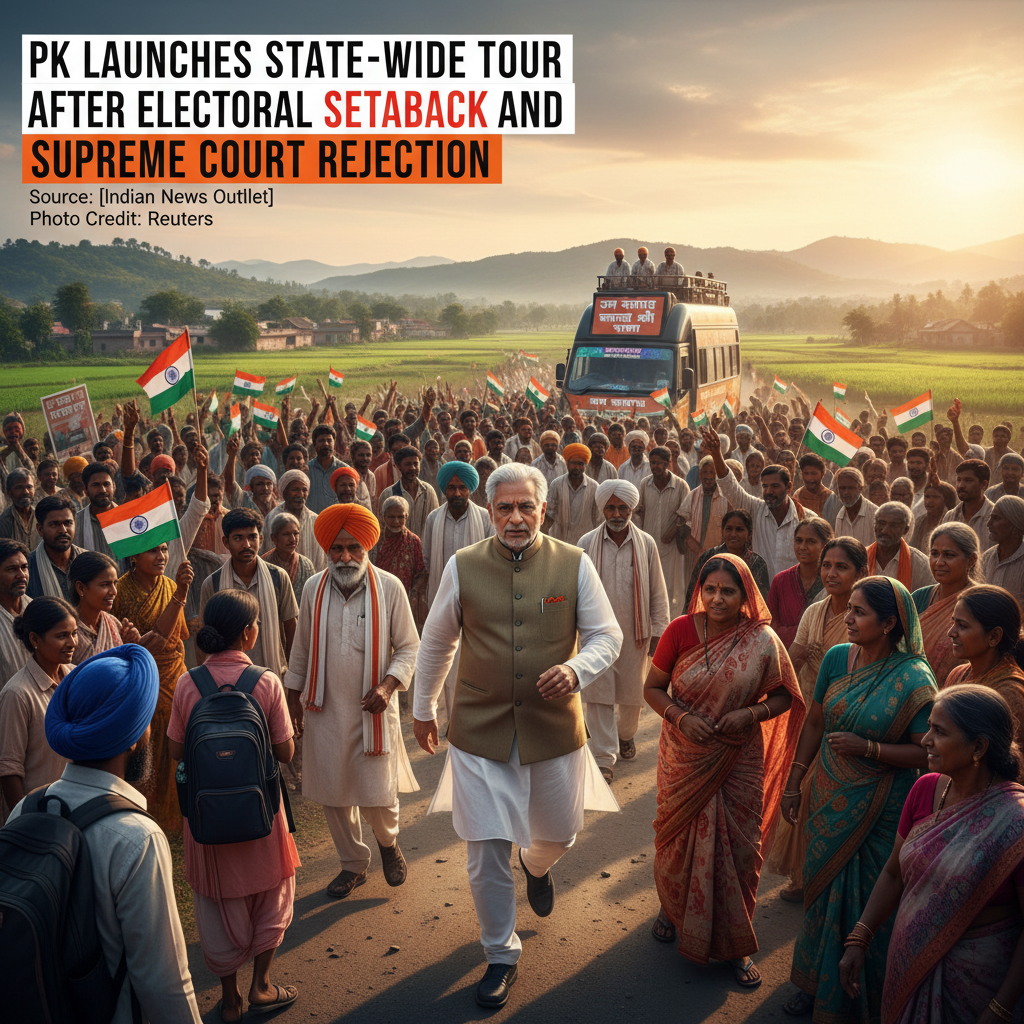
After a bruising electoral defeat that saw his party lose several key constituencies across the state, veteran politician PK has unveiled a comprehensive PK state-wide tour designed to reconnect with grassroots voters and reshape the narrative around his leadership. The announced tour, which will traverse all 15 districts over an eight‑week period, marks a strategic shift from traditional rally‑based campaigning to a more consultative, policy‑driven outreach. By scheduling a series of town‑hall meetings, sector‑specific workshops, and localized listening sessions, the PK state-wide tour aims to transform raw electoral disappointment into a constructive dialogue that directly informs upcoming legislative agendas. This initiative is being positioned not merely as damage control but as a proactive effort to rebuild trust, clarify the party’s developmental vision, and harness citizen feedback in real time.
The timing of the PK state-wide tour is deliberate, arriving at a juncture when political winds have shifted following the recent Supreme Court ruling on election financing and a series of public opinion polls indicating a growing appetite for transparent governance. Analysts note that the tour provides a platform for PK to articulate a forward‑looking agenda that prioritizes water security, agricultural revitalization, and skill‑development for the burgeoning youth demographic. Moreover, the itinerary is crafted to reflect the geographic diversity of the state, ensuring that each stop addresses region‑specific concerns while weaving a common thread of inclusive growth. Early promotional material emphasizes that the tour will be broadcast live on digital platforms, allowing remote constituents to participate via interactive chat forums, thereby extending the reach of the engagement beyond physical venues.
Electoral Setback and Implications
The recent electoral setback was more than a mere loss of seats; it exposed deep fissures within the party’s urban‑centric messaging that failed to resonate with rural voters. Survey data released by independent research firms highlighted a stark disconnect: while urban campaign rallies emphasized high‑profile infrastructure projects, rural focus groups prioritized water security, timely agricultural subsidies, and employment opportunities in emerging sectors such as renewable energy and agro‑processing. This mismatch prompted senior strategists to reconsider the party’s outreach doctrine, acknowledging that a one‑size‑fits‑all narrative no longer suffices. Consequently, the leadership has pledged a recalibration of communication tactics, aiming to foreground localized grievances and tangible development achievements in future discourse. 
Internal party memos obtained by local media reveal a consensus among senior officials that the defeat underscored the need for a more nuanced narrative that bridges the gap between policy intent and community impact. The memos propose the establishment of a cross‑regional advisory council comprising farmer representatives, youth entrepreneurs, and healthcare advocates to ensure that policy proposals are grounded in on‑the‑ground realities. By doing so, the party hopes to convert the electoral setback into a learning opportunity, reinforcing its commitment to evidence‑based governance and restoring credibility among voters who felt marginalized during the previous campaign.
Supreme Court Rejection
Complicating the political landscape, the Supreme Court recently rejected a key petition concerning the party’s election financing, ruling that critical financial disclosures were incomplete and ordering a temporary freeze on campaign funds earmarked for grassroots mobilization. While the judgment did not constitute a criminal finding, the decision introduced a layer of legal uncertainty that amplified public perception of institutional distrust. Opposition commentators have suggested that the timing of the ruling could be interpreted as a strategic maneuver to dampen the party’s momentum, whereas party insiders argue that it merely reinforces the necessity for transparent financial practices. In either interpretation, the ruling has intensified the urgency for a visible, ground‑level engagement strategy such as the PK state-wide tour to demonstrate openness and accountability.
The financial freeze, though temporary, has had immediate repercussions on the party’s ability to fund traditional campaign activities, including mass rallies and printed promotional material. Party treasurers disclosed that the frozen funds represented approximately 12 % of the budget initially allocated for voter outreach, forcing a reallocation of resources toward digital communication and community‑based events. This fiscal constraint has accelerated the decision to adopt a low‑cost, high‑visibility tour that relies on local venues, volunteer networks, and social media (e.g., Twitter) to disseminate policy messages, thereby turning a potential handicap into an opportunity for more authentic citizen interaction. Moreover, the incident has prompted the party to reference the Transparency Portal as a model for future financial disclosures, reinforcing a commitment to open governance.
Announcement of the State‑Wide Tour
In direct response to both the electoral setback and the Supreme Court’s financial ruling, PK formally announced the PK state-wide tour during a press conference held at the state secretariat. The launch is scheduled for next Monday in the industrial hub of X, where the leader will unveil a roadmap that integrates citizen input into upcoming legislative proposals. Accompanying the tour will be a multidisciplinary team comprising policy analysts, regional officers, and communication specialists tasked with capturing real‑time feedback, documenting citizen suggestions, and translating them into actionable policy briefs. This approach underscores a shift toward evidence‑based governance that places grassroots insights at the core of decision‑making, signaling a departure from top‑down policymaking.
The tour’s official itinerary spans eight weeks and covers all 15 districts, with each week dedicated to a distinct geographic zone. Week one will focus on the northern agrarian belt, where water‑management and crop‑insurance schemes dominate discussions; week two will move to the coastal districts, addressing maritime trade, fisheries subsidies, and port‑development plans. The third week will target the central industrial corridor, highlighting manufacturing incentives, skill‑training programmes, and infrastructure upgrades. Subsequent weeks will progress to the southern tribal regions, where health‑care access and educational facilities are priority concerns, before concluding with a week‑long series of events in the capital city. Each stop will feature a tailored presentation, an interactive Q&A session, and a digital platform where participants can submit suggestions instantly, ensuring that the momentum generated is both inclusive and sustainable. Detailed schedules and venue information are available on the Official State Government Portal.
Broader Impact and Future Outlook
Early social‑media sentiment analysis indicates a generally positive reception among younger voters, who appreciate the emphasis on digital engagement, participatory governance, and the promise of concrete policy action. Civil society organisations have expressed cautious optimism, urging the leadership to move beyond rhetorical commitments and deliver measurable results in areas such as water security and employment generation. Opposition parties have criticised the timing of the tour, suggesting it may serve as a distraction from pending parliamentary inquiries, yet they acknowledge the necessity of addressing the legitimacy concerns raised by the Supreme Court ruling. Ultimately, the efficacy of the PK state-wide tour will be judged by its capacity to translate dialogue into concrete policy implementations that deliver visible benefits to citizens across the state. For further reading, see analyses by The Hindu.
The PK state-wide tour thus stands as a pivotal moment for the party, seeking to convert recent setbacks into a catalyst for renewed public engagement and policy refinement. By weaving together transparent financial practices, region‑specific solutions, and a digital‑first outreach strategy, the tour aspires to rebuild trust and chart a sustainable developmental path for the state. Its ultimate success will hinge on the tangible delivery of promised initiatives that improve the everyday lives of citizens, thereby reinforcing the symbiotic bond between effective governance and public confidence.
Stay updated with the latest Yojana schemes and government initiatives for better awareness and eligibility. For personalized guidance on accessing these benefits, reach out to us.