




Odisha Launches Fourth Installment of Subhadra Yojana Today
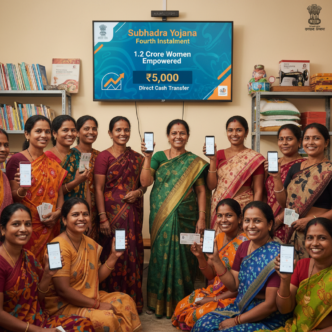
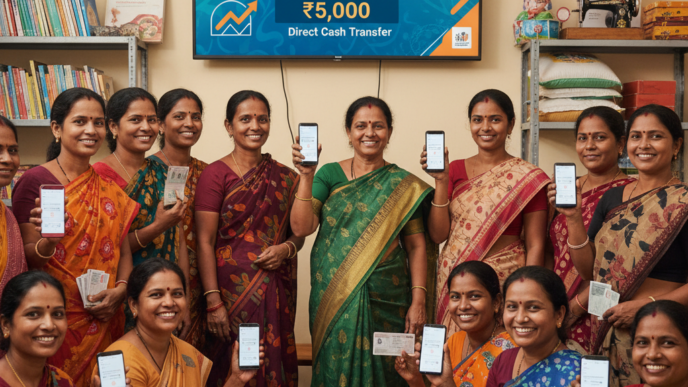
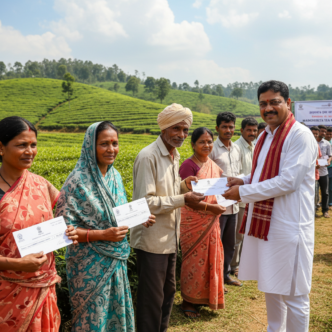
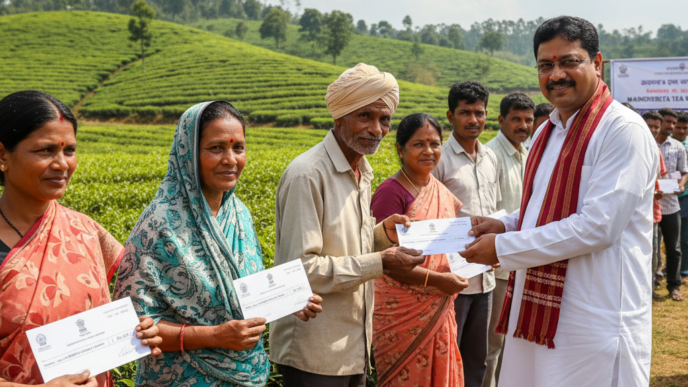
In a landmark move to reinforce financial inclusion for women, the Odisha government is set to release the fourth installment of the Subhadra Yojana today. The disbursement will channel Rs 1,250 into the bank accounts of more than one crore eligible female beneficiaries, marking a significant milestone in the state’s welfare calendar. This release coincides with the celebration of International Women’s Day, underscoring the administration’s commitment to gender equity and economic empowerment.
The quarterly installment forms part of an annual cash assistance of Rs 5,000 per woman, distributed in four equal tranches. By timing the fourth tranche for March 8, the state not only aligns with a global observance of women’s achievements but also reinforces the narrative that financial support can be synchronized with societal milestones. Chief Minister Naveen Patnaik highlighted the significance of the rollout, stating that “the Subhadra Yojana is a testament to our vision of a prosperous and equitable Odisha.”
Key Details and Eligibility of Subhadra Yojana
The Subhadra Yojana targets permanent residents of Odisha who belong to beneficiary families with an annual income below a prescribed threshold. Applicants must possess a valid bank account linked to their Aadhaar details, ensuring seamless direct benefit transfer (DBT). The eligibility criteria also include residency status, family income verification, and submission of required documentation through the scheme’s online portal. 
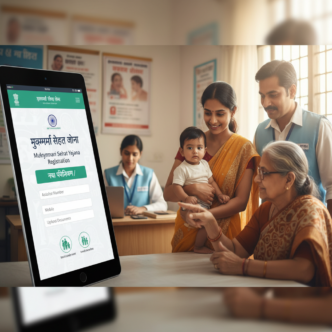
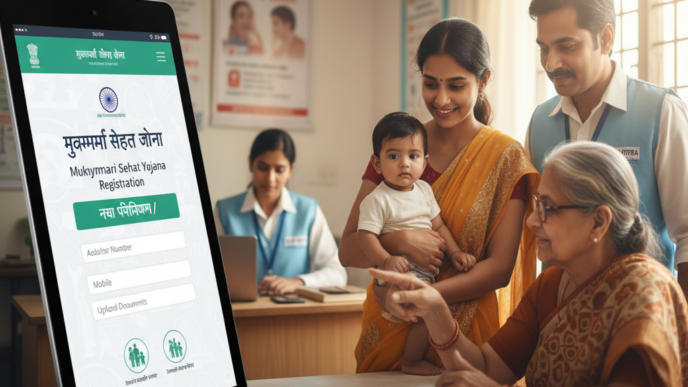
To streamline enrollment, the state has introduced a user‑friendly digital interface where applicants can verify their status, track disbursement history, and update personal information in real time. This portal reduces bureaucratic delays and enhances transparency, allowing beneficiaries to monitor each installment as it is credited to their accounts.
Benefits of the scheme include:
- Direct cash assistance of Rs 5,000 per annum, split into four quarterly installments.
- Financial autonomy for women, enabling investment in micro‑enterprises, household purchases, and education.
- Strengthening of self‑help groups (SHGs) and women‑led entrepreneurial ventures across rural and semi‑urban districts.
- Reduced dependency on informal credit sources, fostering long‑term economic stability.
Implementation and Digital Infrastructure
The Odisha government leverages a robust digital payment infrastructure to ensure that funds under the Subhadra Yojana reach beneficiaries securely and without intermediaries. Funds are transferred directly to linked bank accounts via the National Automated Clearing House (NACH), a system known for its reliability and speed. This approach minimizes the risk of leakage and corruption, aligning with the state’s broader objectives of efficient public finance management.
Moreover, the integration of the scheme with the state’s existing Aadhaar‑based authentication framework facilitates seamless verification of beneficiary details. By cross‑referencing Aadhaar numbers with the beneficiaries’ bank accounts, the government can instantly confirm eligibility and process each installment within minutes. This digital backbone not only enhances accuracy but also provides a real‑time audit trail, enabling stakeholders to track the scheme’s impact with precision.
For those seeking more information on the technical underpinnings, the official portal (Odisha Government) offers detailed documentation on the DBT process, security protocols, and the rollout timeline. This transparency is intended to build trust among citizens and encourage greater participation in the program.
Impact on Women Empowerment and Socio‑Economic Development
Since its inception, the Subhadra Yohana has began to reshape economic dynamics for women across Odisha. Preliminary surveys indicate a modest rise in household savings rates among beneficiary families, alongside a measurable reduction in poverty‑driven migration. Women report increased confidence in managing household finances, enabling them to allocate resources toward children’s education, health expenses, and small‑scale enterprises.
Social activists and NGOs have lauded the scheme for its inclusive methodology. Anita Sahu, a senior analyst at the Odisha Women’s Development Forum, remarked that “this initiative addresses a critical gap in financial support for women, especially those from marginalized communities. It empowers them to become decision‑makers within their households and communities.”
The ripple effects of the cash assistance extend beyond immediate monetary relief. Empowered women are more likely to engage in community leadership roles, participate in local governance, and advocate for policy reforms that address gender disparities. By fostering a culture of financial independence, the Subhadra Yojana contributes to broader socio‑economic development goals, including improved gender parity indices and enhanced human development metrics.
Future Plans and Expansion of Subhadra Yojana
Looking ahead, the Odisha government plans to broaden the scheme’s reach by incorporating additional beneficiary categories, such as women engaged in agriculture, handicrafts, and emerging entrepreneurial sectors. Future installments may be linked to skill‑development programs, offering recipients access to vocational training, market linkages, and micro‑enterprise incubators. This holistic approach aims to transform cash assistance into a catalyst for sustainable livelihood creation.
Policy planners are also exploring the integration of digital literacy modules within the scheme’s outreach strategy. By equipping beneficiaries with basic financial management and digital transaction skills, the state intends to maximize the long‑term impact of the funds, ensuring that women can navigate modern economic landscapes with confidence.
Stakeholders anticipate that continued expansion and refinement of the Subhadra Yojana will position Odisha as a benchmark for gender‑focused welfare programs across India. The state’s proactive stance may inspire similar initiatives in other regions, reinforcing the national agenda of inclusive growth and gender‑responsive development.
Stay updated with the latest Yojana schemes and government initiatives for better awareness and eligibility. For personalized guidance on accessing these benefits, reach out to us.