



Overview of Shree Jagannath Darshan Yojana
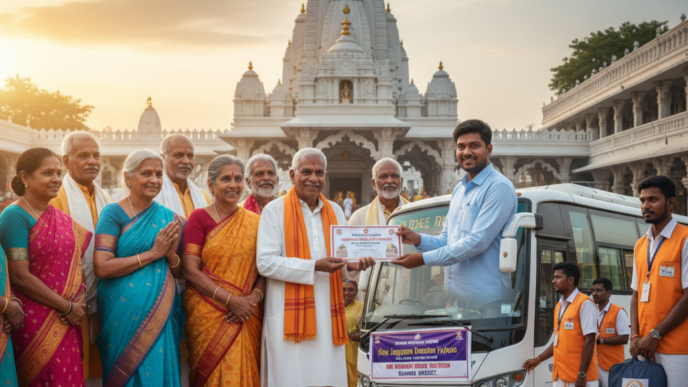
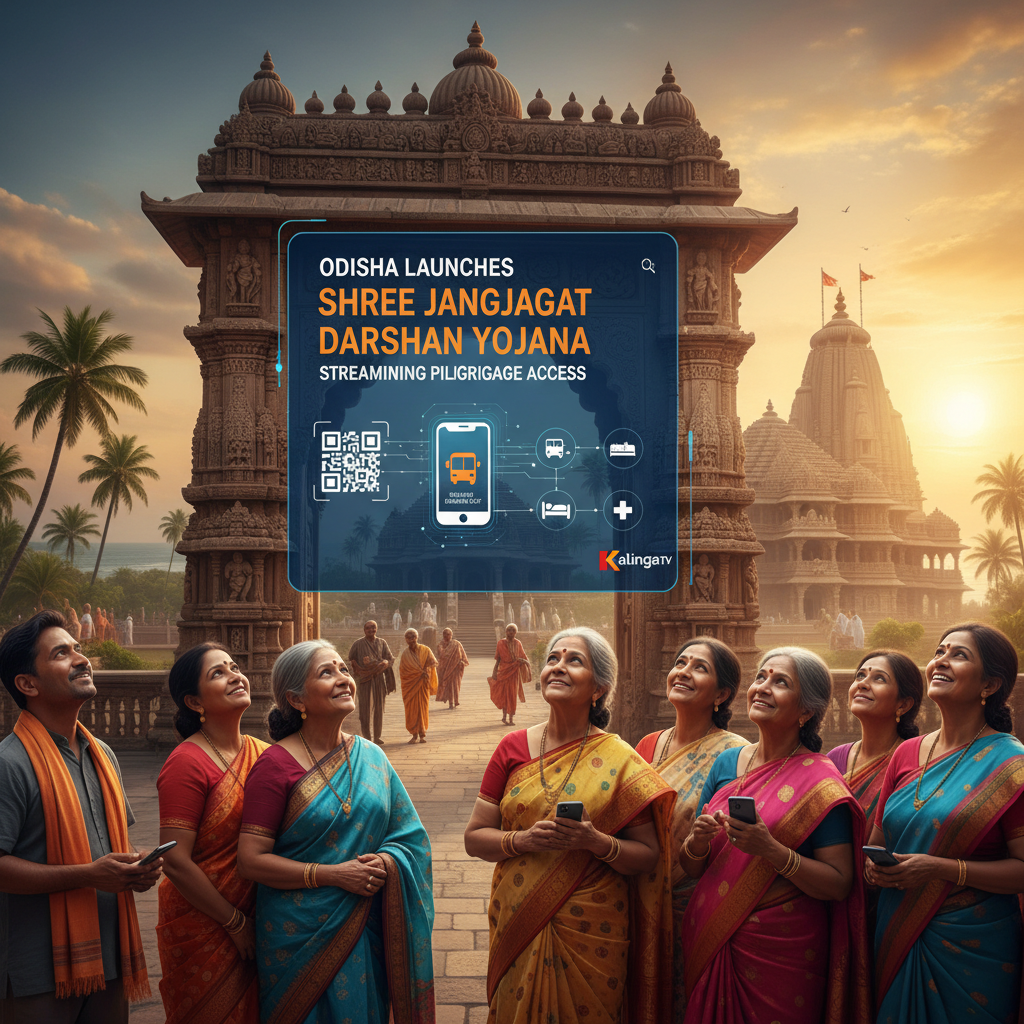
The Odisha government has formally launched the Shree Jagannath Darshan Yojana in collaboration with Kalinga TV, marking a watershed moment in the state’s pilgrimage tourism agenda. Chief Minister Naveen Patnaik announced the initiative during a ceremonial event in Bhubaneswar, underscoring the scheme’s aim to streamline the sacred journey to the iconic Jagannath Temple in Puri. By integrating digital tokenization, real‑time crowd analytics, and a unified booking platform, the programme seeks to transform a traditionally chaotic pilgrimage into a hassle‑free, citizen‑centric experience. The launch aligns with the state’s broader vision of boosting spiritual tourism, generating employment, and preserving cultural heritage, while ensuring that even the most vulnerable sections of society can access the temple without financial strain.
Objectives and Core Features
The scheme’s objectives are articulated around five pillars: accessibility, affordability, efficiency, safety, and cultural enrichment. To realize these aims, the government has outlined a suite of core features:
- Free or heavily subsidized darshan tokens for eligible pilgrims, especially families below the poverty line.
- An end‑to‑end online portal and mobile application that enable instant token booking, transport selection, and accommodation reservations.
- Deployment of dedicated shuttle buses, luxury coaches, and last‑mile connectivity services from major urban hubs such as Bhubaneswar, Cuttack, and Rourkela.
- Robust crowd‑management infrastructure, including digital signage, CCTV monitoring, and AI‑driven queue‑prediction tools.
- Comprehensive health and safety protocols, featuring on‑site medical camps, first‑aid stations, and COVID‑19‑ready facilities.
- Multilingual assistance desks and cultural awareness programmes to guide both domestic and international visitors.
These elements collectively address long‑standing pain points — unpredictable waiting times, inadequate transport, and insufficient accommodation — thereby creating a seamless pilgrimage ecosystem. 
Eligibility, Registration and Digital Platform
Eligibility for the Shree Jagannath Darshan Yojana is straightforward yet inclusive. Applicants must be permanent residents of Odisha, with a preference given to households classified under the Below Poverty Line (BPL). The age requirement is 18 years or above, or the presence of a legal guardian for minors. A valid Aadhaar or Voter ID serves as the primary identity proof for verification.
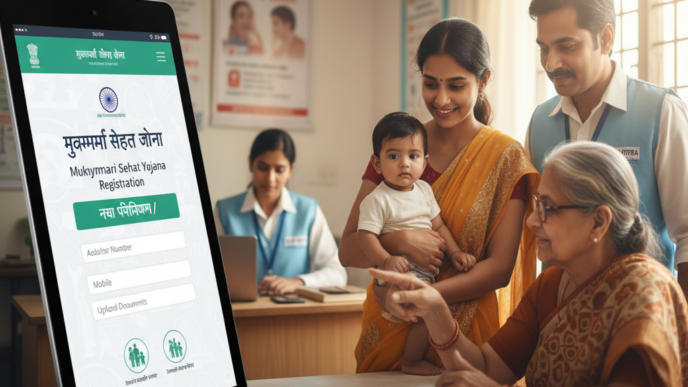
Registration takes place through the official “Jagannath Darshan” app, available on both Android and iOS platforms. Users create a secure account, select a preferred darshan slot, choose a transport tier — ranging from standard government buses to premium private coaches — and complete payment via integrated UPI, net‑banking, or wallet options. Upon successful confirmation, a QR‑coded token is generated, which can be scanned at designated entry points to gain swift access to the sanctum sanctorum. The system also sends automated SMS and push‑notification alerts regarding slot changes, weather advisories, and real‑time queue updates.
Infrastructure, Transport and Support Services
To operationalize the scheme, the Odisha government has forged strategic partnerships with a network of transport operators, hospitality providers, and health agencies. Key infrastructure components include:
- Special pilgrim buses that ply between Bhubaneswar, Cuttack, Rourkela, and Puri on a fixed schedule, with dedicated lanes to avoid traffic congestion.
- Discounted stay agreements with registered hotels, dharamshalas, and eco‑lodges, offering rooms at rates as low as ₹800 per night for BPL families.
- Mobile medical units positioned at crucial waypoints — such as the Zero Point, Bali Jagdballabha, and the temple periphery — providing basic healthcare, vaccination updates, and emergency response.
- Multilingual help desks staffed by trained volunteers, offering guidance in Hindi, English, Bengali, and major foreign languages.
- Digital display boards throughout the pilgrimage corridor that broadcast live crowd density, waiting time estimates, and weather alerts.
These integrated services aim to create a holistic support framework that ensures pilgrims experience comfort, safety, and cultural immersion throughout their journey.
Budget, Funding and Anticipated Social Impact
The fiscal commitment to the Shree Jagannath Darshan Yojana stands at approximately ₹150 crore for the financial year 2026‑27, covering token subsidies, transport stipends, infrastructure upgrades, and a statewide promotional campaign. An additional ₹50 crore has been earmarked for monitoring, evaluation, and adaptive management, enabling data‑driven refinements throughout the implementation phase. The government anticipates a multiplier effect on the local economy: increased pilgrim footfall is projected to generate ₹300 crore in tourism revenue, create over 4,500 jobs in transport, hospitality, and ancillary services, and stimulate micro‑enterprise activity among women’s self‑help groups.
From a socio‑economic perspective, the scheme is expected to empower marginalized communities by granting them affordable access to one of India’s most revered spiritual sites. It also aligns with the state’s five‑year development plan, which prioritizes inclusive growth, cultural preservation, and sustainable tourism. By reducing barriers to participation, the initiative fosters a sense of communal belonging and reinforces Odisha’s identity as a premier pilgrimage destination for both domestic and international visitors.
Implementation Roadmap, Expert Reactions and Conclusion
The rollout follows a phased timeline designed to ensure meticulous execution:
- Phase‑1 (March–May 2026): Launch of the registration portal, initial token distribution, and pilot testing of the mobile app.
- Phase‑2 (June–August 2026): Deployment of transport and accommodation partnerships, alongside the installation of real‑time monitoring dashboards.
- Phase‑3 (September–December 2026): Full integration of AI‑based crowd prediction tools, expansion of medical support, and collection of user feedback.
- Phase‑4 (January 2027 onward): Continuous improvement based on analytics, periodic stakeholder reviews, and scaling to additional districts.
Policy analysts have lauded the scheme’s tech‑driven approach. Dr. Anjali Mishra, senior researcher at the Institute of Social Sciences, remarked, “The Shree Jagannath Darshan Yojana exemplifies how data‑centric solutions can modernize age‑old traditions, delivering a pilgrimage experience that is both spiritually enriching and administratively efficient.” Religious leaders have also expressed optimism, noting that the initiative will democratize access to the holy shrine for millions of devotees.
In summary, the Shree Jagannath Darshan Yojana represents a transformative step toward bridging the gap between cultural heritage and contemporary service delivery. By leveraging digital platforms, targeted subsidies, and comprehensive support services, the Odisha government is poised to elevate the pilgrimage experience, stimulate economic growth, and reinforce the state’s stature as a beacon of inclusive spiritual tourism.
Stay updated with the latest Yojana schemes and government initiatives for better awareness and eligibility. For personalized guidance on accessing these benefits, reach out to us.