


Scheme Overview
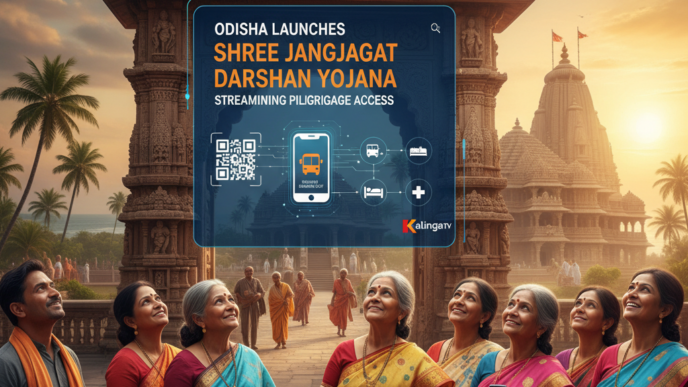
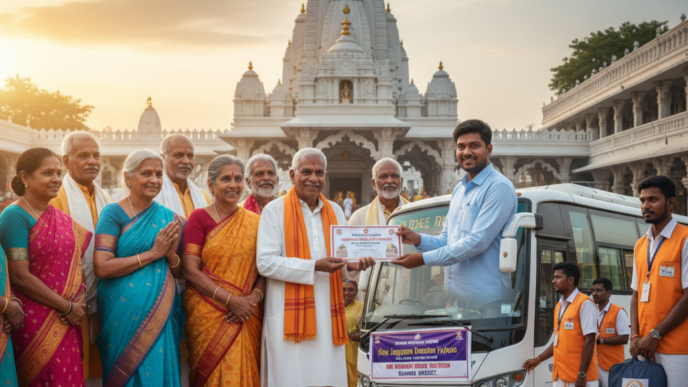
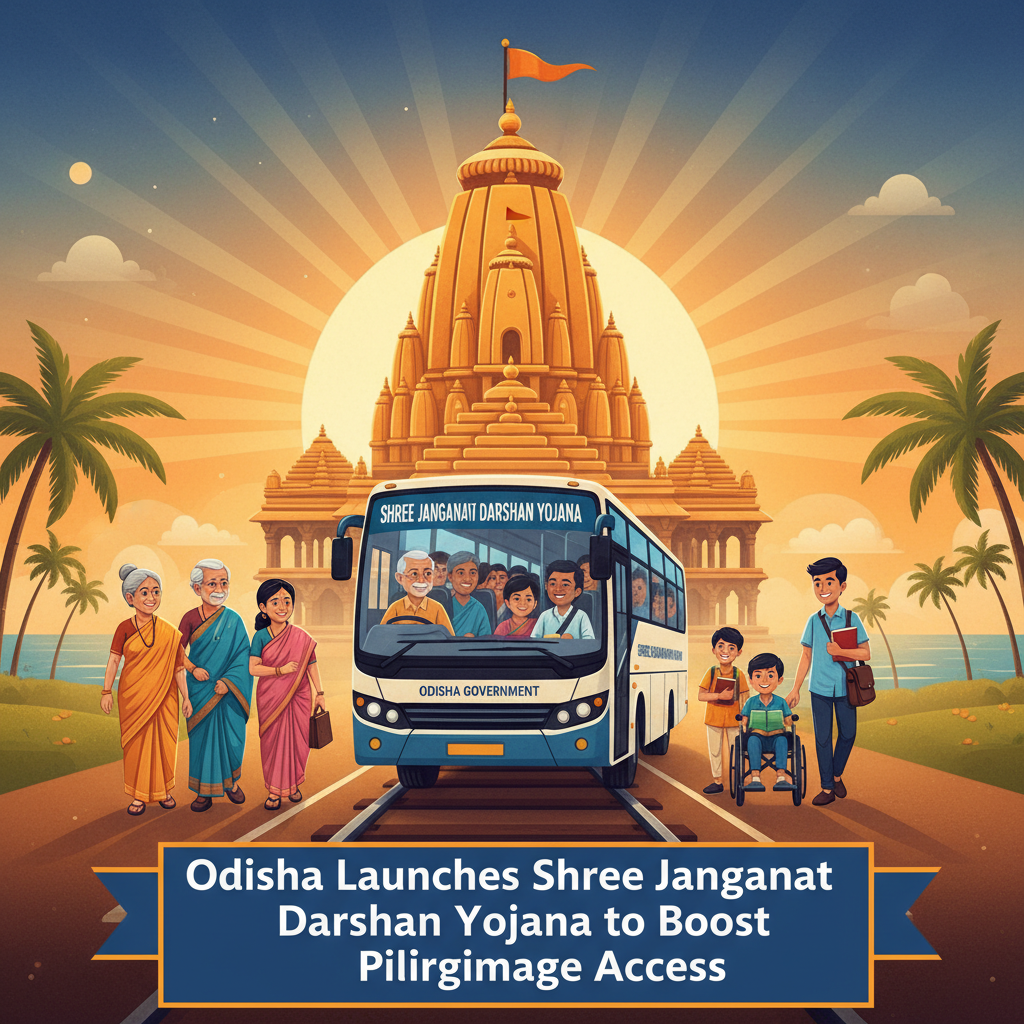
The Odisha Chief Minister formally launched the Shree Jagannath Darshan Yojana in February 2026 with the explicit aim of simplifying pilgrimage access for devotees across the state. By offering free or heavily subsidised travel to the iconic Jagannath Temple in Puri, the programme removes a major financial barrier that has traditionally limited participation among low‑income and marginalised communities. The initiative is part of a broader strategy to promote cultural tourism, preserve heritage sites, and stimulate economic activity in the coastal region surrounding the temple.
Objectives and Vision
The Yojana’s core objectives extend beyond mere transportation subsidies. First, it seeks to improve last‑mile connectivity by integrating state‑run buses, railways, and special shuttle services that link district headquarters directly to Puri. Second, it intends to upgrade ancillary infrastructure—such as signage, parking facilities, and sanitation—around the temple complex to enhance the overall visitor experience. Third, the scheme emphasises sustainable tourism, encouraging pilgrims to adopt eco‑friendly practices and supporting local businesses that operate responsibly. Finally, the government plans to harness travel‑pattern data to inform future heritage‑preservation projects and to fine‑tune tourism policies based on real‑time demand.
Eligibility Criteria and Application Process
Eligibility is restricted to Odisha residents who intend to undertake a pilgrimage to the Jagannath Temple. Applicants must fall into one of several defined categories: senior citizens aged 65 years or above, households classified as Below Poverty Line (BPL), persons with disabilities, or students belonging to Scheduled Tribe (ST) or Scheduled Caste (SC) communities. Each category requires specific documentary proof: 
- Senior citizens must present a government‑issued age certificate.
- BPL families need an official BPL certificate issued by the Revenue Department.
- Disabled applicants must submit a disability certificate from a recognised medical authority.
- ST/SC students are required to provide a caste certificate issued by the competent authority.
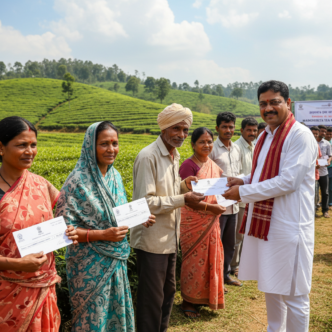
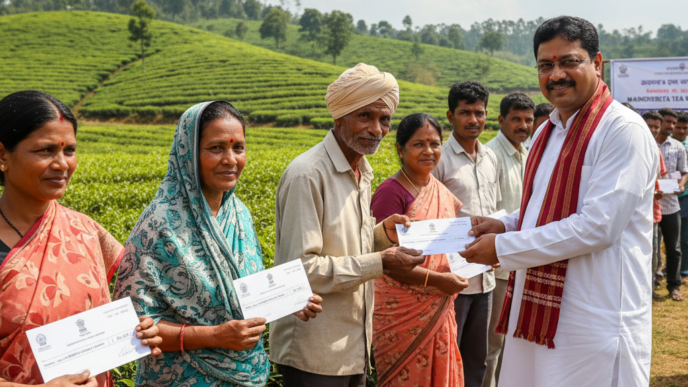
The application process is entirely online through the Odisha Transport Portal, where candidates upload scanned copies of their documents and select their preferred travel dates. Upon successful verification, beneficiaries receive a digital travel pass that can be redeemed at designated transport hubs.
Benefits for Pilgrims
The Yojana delivers a comprehensive suite of benefits designed to make the pilgrimage experience seamless and enriching. Eligible pilgrims enjoy complimentary round‑trip transport via state‑run buses and special train services that operate exclusively for scheme participants. In addition, the government provides accommodation vouchers that cover up to three nights in vetted hotels and dharamshalas within Puri, along with a daily meal allowance to offset food expenses.
- Free or heavily discounted bus and train passes for the pilgrimage route.
- Discounted entry tickets to museum sites and heritage galleries surrounding the temple.
- Priority seating in special darshan queues, reducing waiting times significantly.
- Travel insurance coverage of up to ₹5 lakh for accidental injuries during the journey.
- Access to guided heritage tours that cover important cultural landmarks such as the Markandaya Temple and the historic Konark Sun Temple.
These provisions collectively aim to lower the total cost of a pilgrimage by an estimated 40‑50 percent for qualifying families.
Implementation Timeline and Monitoring
The rollout is structured into three phased phases, each targeting different geographical zones. Phase 1, launched in March 2026, covers the capital city of Bhubaneswar and its neighbouring districts, establishing a pilot network of transport links and verification centres. Phase 2, scheduled for June 2026, expands the programme to the coastal belt, including Cuttack, Paradeep, and surrounding districts, while introducing mobile verification units to reach remote villages. Phase 3, set for September 2026, will reach the interior tribal regions of Koraput, Rayagada, and Mayurbhanj, ensuring that even the most isolated communities benefit from the scheme.
Each phase is overseen by a real‑time digital dashboard that tracks application volumes, approval rates, and utilisation metrics. The dashboard also flags anomalies such as duplicate applications or unusually high redemption rates, enabling rapid corrective action. Quarterly performance reviews are conducted by the scheme’s steering committee to assess financial spend, pilgrim numbers, and infrastructure utilisation.
Funding, Governance and Stakeholder Engagement
The financial backbone of the Shree Jagannath Darshan Yojana combines a dedicated allocation from the Odisha state budget with co‑investment from private tourism partners and hospitality stakeholders. The Transport Secretary heads a multi‑agency committee that includes representatives from the Departments of Tourism, Finance, and Social Security, as well as private operators of bus and rail services. This committee is responsible for policy formulation, budget disbursement, and impact evaluation.
Quarterly audits are performed by the State Audit Office to ensure transparency and to verify that funds are utilised in accordance with the scheme’s objectives. In addition, a public grievance redressal portal allows citizens to report irregularities, thereby fostering accountability and community participation.
Projected Impact and Economic Benefits
Early feasibility studies project a 20 percent increase in annual pilgrim footfall within the first year of the scheme’s full implementation. This surge is anticipated to generate an additional ₹150 crore in revenue for local businesses, ranging from hospitality and food services to handicraft manufacturers and transport operators. Moreover, the scheme is expected to create approximately 5,000 temporary employment opportunities during peak pilgrimage seasons, providing a vital source of income for many households in the region.
Beyond immediate economic gains, the Yojana aims to foster a stronger sense of communal identity among diverse devotee groups, encouraging inter‑community dialogue and cultural exchange. By documenting travel patterns and pilgrim demographics, the government can tailor future heritage‑preservation initiatives to better protect the temple’s spiritual and architectural legacy.
Challenges, Mitigation Strategies and Future Outlook
Despite its ambitious design, the Yojana faces several implementation challenges. Chief among them is the accurate verification of eligibility documents to prevent fraudulent claims. To mitigate this risk, the government will deploy a specialised verification cell staffed by trained officials and will integrate biometric authentication into the digital ticketing system, ensuring that only verified beneficiaries receive travel passes.
Awareness campaigns are also essential. The state plans to launch a multimedia outreach programme—leveraging television, radio, and social media—to inform citizens about the scheme’s benefits, application steps, and required documentation. By addressing misinformation early, the administration hopes to maximise participation while maintaining the integrity of the subsidy framework.
Looking ahead, the Shree Jagannath Darshan Yojana is positioned to become a model for inclusive religious tourism across India. Continuous monitoring, stakeholder feedback, and periodic policy revisions will be crucial to sustain its momentum and to expand its reach to future generations of pilgrims.
Conclusion
The Shree Jagannath Darshan Yojana represents a transformative step toward inclusive religious tourism in Odisha. By integrating financial support, infrastructure upgrades, and safety measures, the initiative seeks to make the sacred journey to Puri accessible to a broader segment of the population. Ongoing vigilance, robust governance, and active citizen engagement will be essential to realise its full potential and to ensure that the benefits are equitably distributed across all communities.
Stay updated with the latest Yojana schemes and government initiatives for better awareness and eligibility. For personalized guidance on accessing these benefits, reach out to us.