


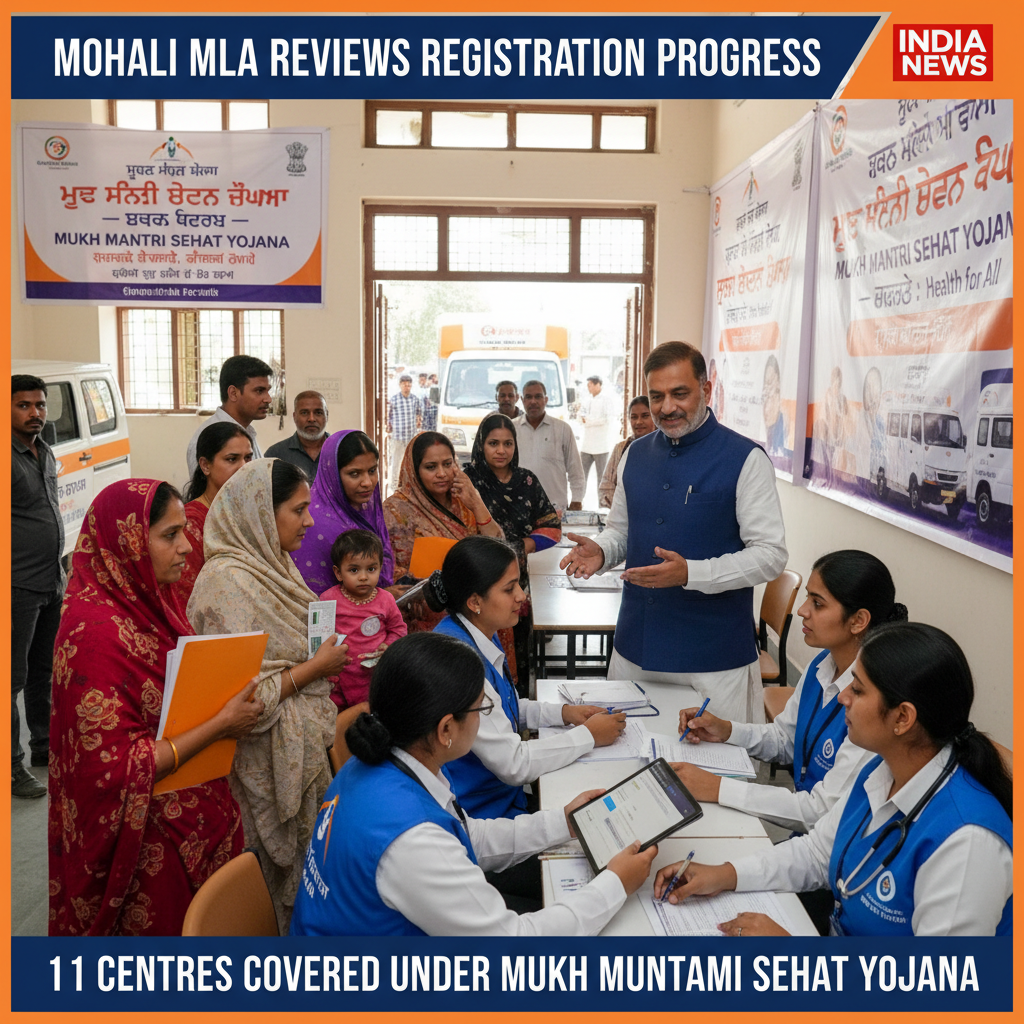
Overview of Mukh Mantri Sehat Yojana Registration Process
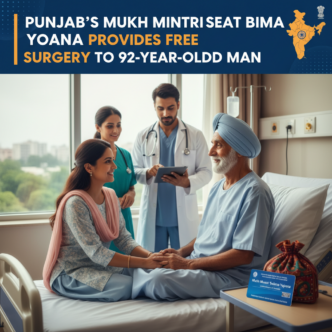
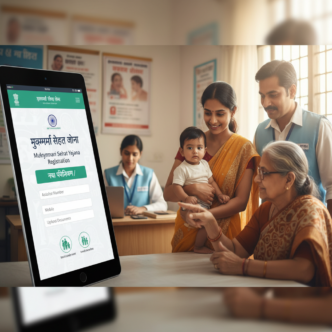
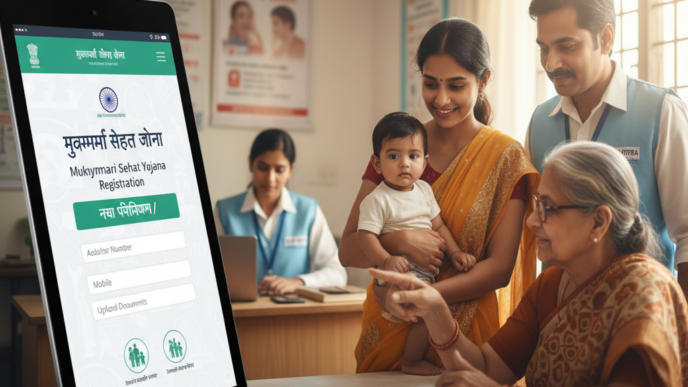
The Mukh Mantri Sehat Yojana registration drive, launched by the Punjab government, aims to extend cashless health coverage to families living below the poverty line, ensuring that financial constraints do not impede access to essential medical care. Since the scheme’s inception, eligible households can receive treatment for a wide spectrum of conditions—from minor surgeries to complex critical illnesses—without incurring out‑of‑pocket expenses. The registration process requires applicants to present identity proof, income certificates, and address verification at designated centres, though an online portal also facilitates digital submissions. As of the latest health department report, approximately 1.2 million households have completed enrollment, representing roughly 70 percent of the targeted low‑income population. For a comprehensive understanding of the scheme’s national context, refer to the National Health Mission overview and the Punjab government health portal.
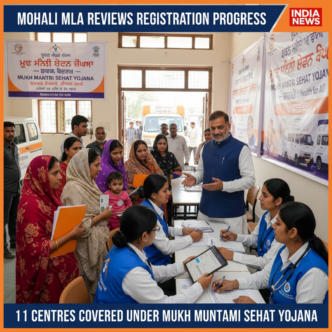
MLA’s Inspection of 11 Registration Centres
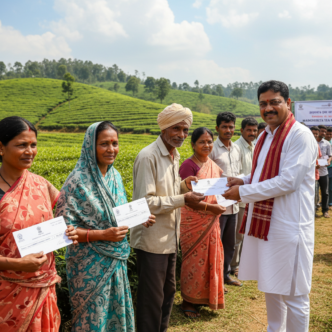
During a recent constituency tour, the Mohali MLA visited eleven registration centres spread across urban and rural pockets, meeting directly with applicants, community leaders, and health officials. The MLA underscored the urgent need to streamline paperwork and reduce waiting times, noting that many families remain hesitant to register due to insufficient awareness and bureaucratic hurdles. At each site, he observed queue management practices, collected feedback on instruction clarity, and assessed the availability of staff to assist first‑time registrants. His observations coincided with a governmental push to expand the registration network, targeting an additional 20 percent increase in enrolment before the fiscal year ends. For readers interested in legislative processes, the Lok Sabha schedule provides context on how state legislative agendas intersect with health initiatives.
Key Statistics, Challenges and Community Feedback
Preliminary data released by the health department reveal a 15 percent surge in registration numbers over the past month, with a pronounced uptick among women aged 30‑45. Urban centres report an 85 percent enrolment rate, whereas rural centres lag at 60 percent, highlighting a clear geographic disparity. Demographically, 55 percent of newly registered families belong to Scheduled Caste communities, reflecting targeted outreach efforts toward historically marginalized groups. Despite these gains, overall penetration remains modest, with only 45 percent of eligible households currently enrolled, underscoring the need for intensified campaigns. Residents voiced several pain points: the complexity of compiling mandatory documents, especially caste and income certificates that are difficult to obtain in informal settlements; language barriers, as forms are predominantly in Punjabi and English; and limited operating hours that clash with daily‑wage labor schedules. health officials acknowledged these challenges and pledged to deploy mobile registration units to reach underserved populations more effectively. 
Government Action Plan and Future Outlook
In response to the feedback gathered during the MLA’s visit, the Punjab health ministry has articulated a multi‑pronged action plan designed to accelerate registration rates and improve service delivery. The plan includes simplifying documentation requirements by accepting alternative proofs of residence and income—such as utility bills or employer letters—to ease the burden on applicants. Public awareness drives will deploy audio‑visual campaigns in regional languages across social media platforms, specifically targeting rural households that have historically been excluded from digital outreach. Additionally, the ministry intends to integrate the registration portal with existing government databases, thereby reducing redundancy and expediting verification processes. Pilot projects in selected districts will test the efficacy of these measures before a statewide rollout scheduled for the upcoming quarter. Public health experts, including Dr. Amrita Singh of the Punjab Institute of Health Policy, recommend coupling registration metrics with post‑enrolment utilization data to assess whether increased enrolment translates into actual health service utilisation. Non‑governmental organisations have also called for community‑based education sessions that demystify the registration process and highlight the breadth of covered treatments. Looking ahead, successful expansion of the Mukh Mantri Sehat Yojana registration network promises to enhance healthcare accessibility for millions of economically vulnerable families. If the projected enrollment targets are met, the scheme could achieve near‑universal coverage among eligible households within two years, significantly reducing financial barriers to medical care and alleviating catastrophic health expenditure, thereby fostering greater socioeconomic stability across Punjab. Stay updated with the latest Yojana schemes and government initiatives for better awareness and eligibility. For personalized guidance on accessing these benefits, reach out to us.