


Overview of MGNREGA and Its Importance
The Mahatma Gandhi National Rural Employment Guarantee Act, commonly known as MGNREGA, is India’s flagship legislation aimed at providing a safety net of 100 days of wage‑employment to every rural household that volunteers for unskilled manual work. Enacted in 2005, the scheme not only guarantees income during agricultural lean periods but also drives the creation of durable assets such as roads, check‑dams, and water‑conservation structures. According to the Ministry of Rural Development, over 1.2 billion person‑days of work have been generated since its inception, making it one of the world’s largest public‑works programmes. The legislation empowers marginalized communities, especially those dependent on seasonal agriculture, by ensuring a reliable source of livelihood and fostering rural development.
Under MGNREGA, work is demand‑driven, meaning that any household can apply for employment at its local Gram Panchayat, and the government must provide work within 15 days ofapplication. This provision has dramatically reduced distress migration and helped families stay rooted in their native villages. Moreover, the scheme’s focus on asset creation contributes to long‑term improvements in irrigation, watershed management, and rural connectivity, which in turn boost agricultural productivity and overall economic resilience.
For more detailed statistics and policy documents, you can refer to the official MGNREGA portal https://mnrega.gov.in or the comprehensive Wikipedia entry on MGNREGA. 
Women Participation in MGNREGA
Historically, MGNREGA was perceived as a male‑dominated programme, with social norms often restricting women’s mobility and access to work sites. However, recent data released by the Ministry of Rural Development reveals a steady rise in female enrolment across states. In Karnataka, the proportion of women among MGNREGA workers increased from 19 percent in the 2015‑16 financial year to over 28 percent in 2024‑25. This upward trend is attributed to targeted outreach campaigns, community‑based monitoring, and the proactive role of self‑help groups that organize awareness drives in schools and villages.
Key incentives such as the provision of childcare facilities at worksites and the introduction of flexible work‑hour schedules have further lowered barriers for women. In addition, the central government reserves a specific quota of job slots for women in high‑priority districts, encouraging local administrations to prioritize female participation. The cumulative effect of these measures has been a measurable shift toward gender‑inclusive rural employment.
Mandya Women’s Success in MGNREGA
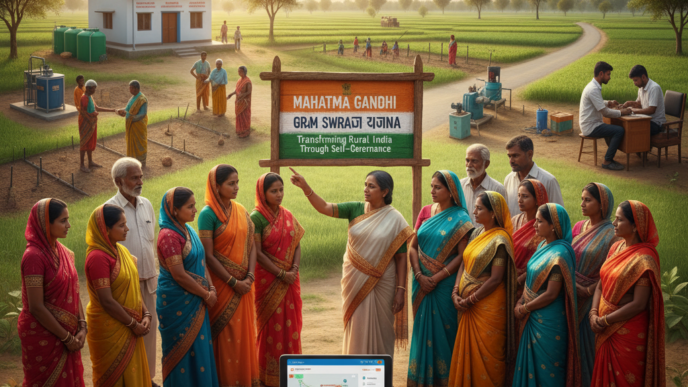
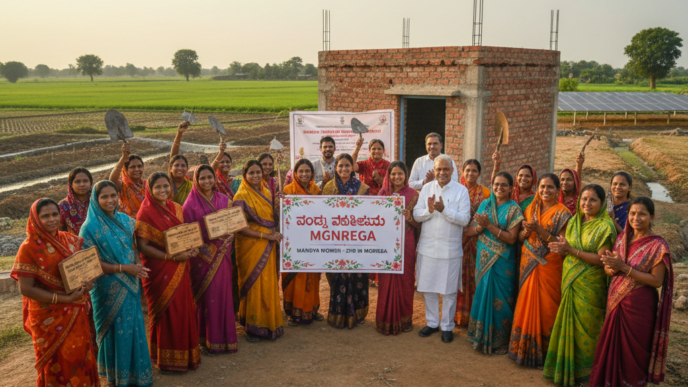
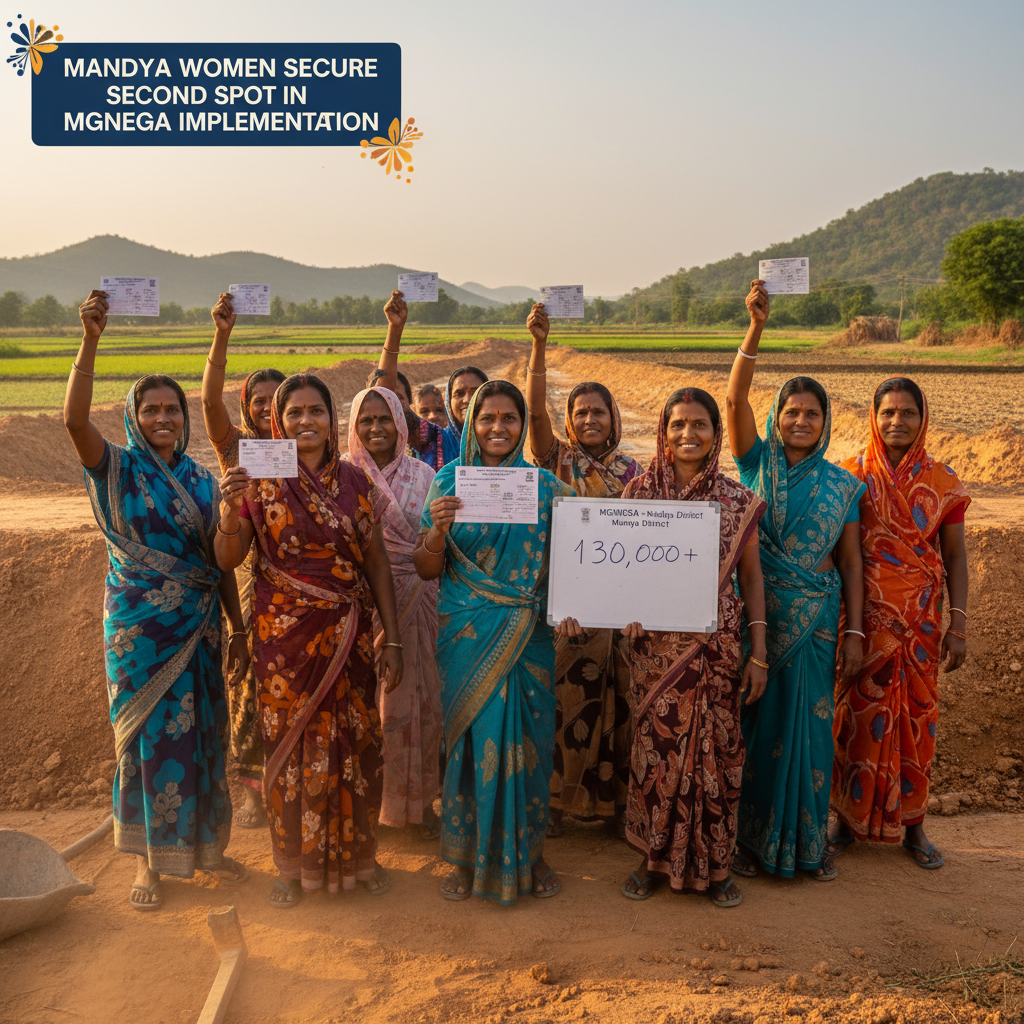
In the latest reporting cycle, women from Mandya district secured the second‑highest number of active MGNREGA job cards in Karnataka. Out of a total of 450,000 households registered under the scheme in Mandya, more than 130,000 are held by women, representing nearly 30 percent of the district’s MGNREGA workforce. These women have undertaken a diverse portfolio of projects, ranging from pond rejuvenation and watershed development to road construction and rural housing upgrades.
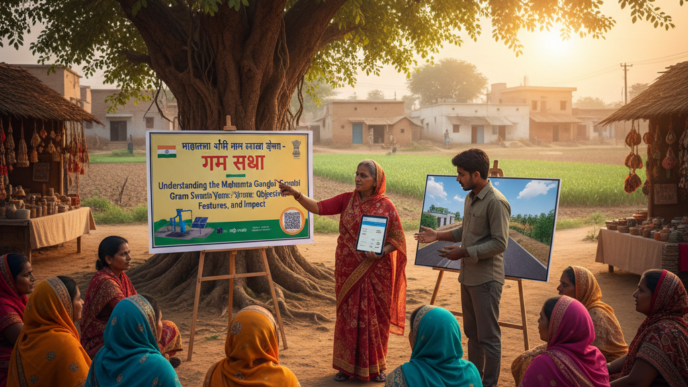
Local panchayat officials attribute this success to a series of grassroots initiatives: awareness camps conducted in partnership with NGOs, streamlined registration processes facilitated through mobile applications, and the appointment of dedicated female coordinators at the block level. As a result of heightened participation, Mandya recorded a 12 percent increase in total wage days delivered under MGNREGA compared to the previous year, underscoring the tangible economic impact of women’s involvement.
Success stories from villages such as Kallahalli and Thusi illustrate how female workers have gained not only income but also leadership skills. Many have taken on supervisory roles, overseeing teams of mixed‑gender laborers and ensuring quality standards in asset creation. Their experiences are gradually reshaping traditional gender dynamics in the district, fostering a more inclusive decision‑making environment.
Impact on Rural Livelihoods and Economic Upliftment
The surge in female participation has generated multifaceted benefits for rural households in Mandya and beyond. Firstly, the overall wage‑day count under MGNREGA rose by approximately 12 percent, translating into higher household earnings and improved consumption patterns. Secondly, assets created by mixed‑gender teams often display superior quality, owing to collaborative problem‑solving and diverse perspectives in project execution.
Empirical surveys conducted by the Karnataka Rural Development Agency indicate that 78 percent of female MGNREGA workers report a positive shift in their socio‑economic status after completing at least one project. Improved income levels have enabled families to invest in better education for their children, access health services, and diversify livelihood options beyond agriculture. Additionally, women participants frequently cite heightened confidence and a greater voice in village councils, contributing to more inclusive governance.
For readers interested in deeper insights, the Karnataka government portal provides detailed reports on rural development indicators and case studies highlighting women’s contributions.
Government Schemes and Support Mechanisms
Both the central and Karnataka state governments have introduced a suite of measures designed to accelerate women’s engagement in MGNREGA. Notable among these are the establishment of facilitation centers at block offices that provide on‑site assistance with job registration, the provision of childcare services during work hours, and targeted skill‑development workshops focusing on masonry, earthworks, and quality monitoring.
Under the scheme’s revised guidelines, a minimum of 33 percent of sanctioned job slots in priority districts are earmarked for women, ensuring a steady pipeline of opportunities. Additionally, the Ministry of Rural Development launched a digital dashboard that tracks gender‑wise participation in real time, enabling data‑driven adjustments and transparent monitoring. These policy interventions collectively create an ecosystem where women can safely and effectively contribute to rural infrastructure development.
Challenges and Way Forward for Inclusive Implementation
Despite commendable progress, several obstacles remain. Transportation to distant worksites, limited awareness in remote hamlets, and entrenched cultural norms can still impede enrollment, especially for women from socially conservative families. To address these challenges, the Ministry plans to expand the use of mobile‑based job cards, integrate real‑time monitoring through GIS‑enabled platforms, and deepen partnerships with non‑governmental organizations and self‑help groups.
Capacity‑building programmes will be intensified to equip female workers with technical skills in areas such as soil conservation and water‑resource management, thereby enhancing the intrinsic value of their contributions. Continuous evaluation, coupled with feedback loops from local communities, will be essential to refine policies and ensure that the gains achieved by women in Mandya are replicated across other districts.
- Women now constitute over 28 percent of the MGNREGA workforce in Karnataka
- Mandya district recorded a 12 percent increase in total wage days due to female participation
- Government reserves job slots for women in priority districts
- Community‑based monitoring improves project quality and transparency
Stay updated with the latest Yojana schemes and government initiatives for better awareness and eligibility. For personalized guidance on accessing these benefits, reach out to us.