


Overview of the Proposed Revenue Mechanism
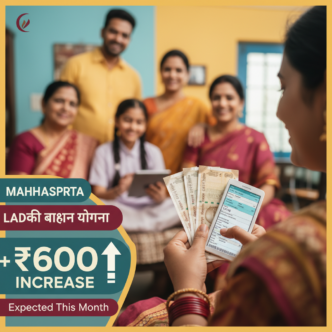
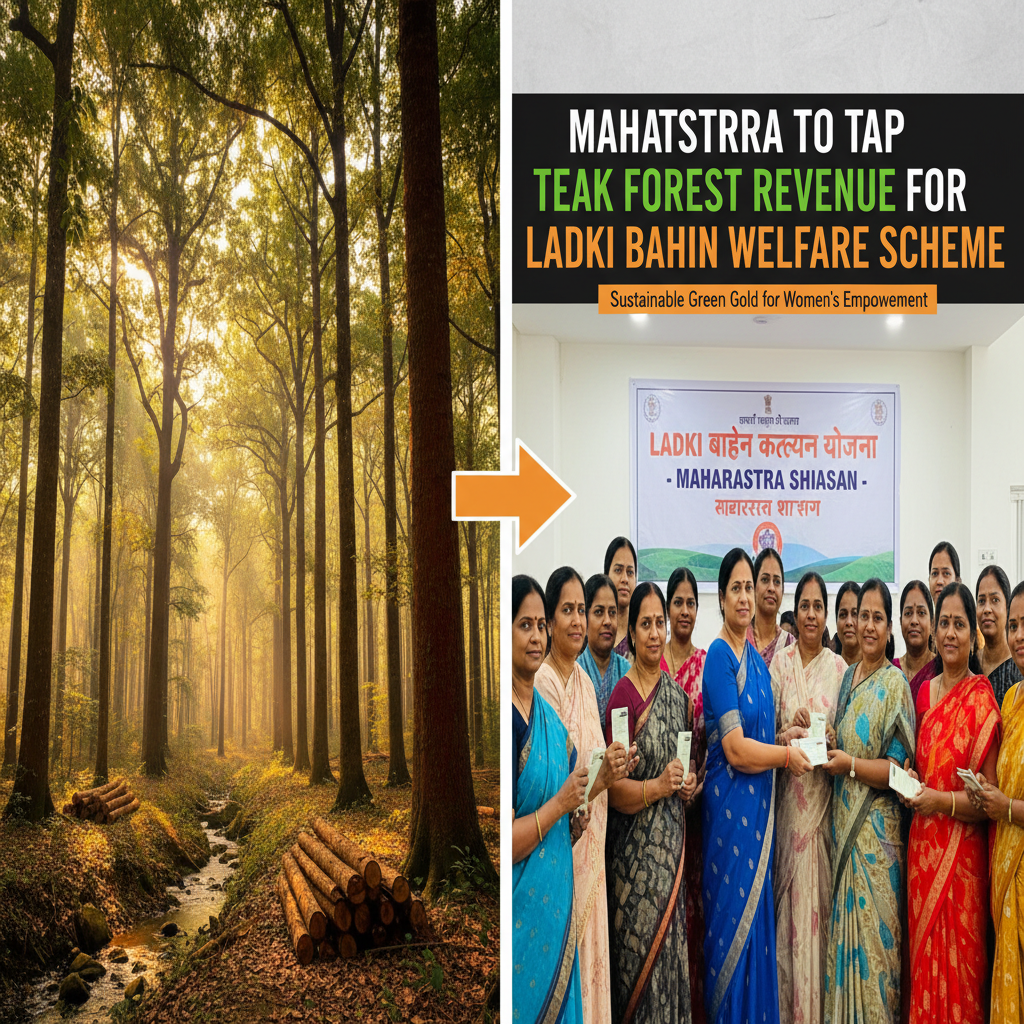
The Maharashtra government is exploring a novel financing model that would channel a portion of earnings from its teak plantation and forest produce directly into the Ladki Bahin welfare scheme. This approach seeks to transform natural resource income into a sustainable funding source for financial assistance to eligible women across the state. By allocating a defined share of teak revenue, the administration aims to reduce reliance on periodic budgetary allocations while reinforcing the principle of linking environmental exploitation to social upliftment. Officials indicate that the move could unlock an additional INR 2,500 crore annually, providing a stable stream to expand and strengthen the Ladki Bahin programme.
Under the proposed scheme, a committee will assess the net revenue generated from sustainably managed teak reserves in the Western Ghats and other forested districts. The committee recommends earmarking 10% of this revenue for the Ladki Bahin fund, ensuring transparency through public disclosures and annual audits. The funding mechanism is designed to integrate seamlessly with the existing fiscal framework, avoiding new tax burdens or debt creation.
Current Status of Ladki Bahin
Launched as a pilot in districts such as Nanded, Hingoli, and Nashik, Ladki Bahin provides a monthly cash transfer of up to INR 2,000 to women from economically disadvantaged households. The initiative has already benefited over 1.2 million beneficiaries, enabling them to meet basic needs, pursue education, and launch micro‑enterprises. Despite its early success, the programme faces a funding constraint that limits statewide expansion. State officials acknowledge that the current allocation covers only 40% of the targeted eligible population, leaving a substantial gap that the new teak revenue strategy could fill. 
Recent government data shows that the scheme’s enrolment has grown by 25% year‑on‑year, reflecting rising demand among women for financial empowerment. Beneficiaries report improved household stability, better nutrition, and increased school attendance for their children. However, without additional resources, scaling the programme to cover the estimated 3 million eligible women remains a challenge.
Potential Revenue From Teak Forests
Maharashtra’s teak forests span approximately 2.5 million hectares, primarily in the Western Ghats, Chandrapur, and Gadchiroli districts. The state harvests timber under a sustainable management plan overseen by the Forest Department, generating revenue from timber sales, charcoal production, and non‑timber forest products such as bamboo, medicinal herbs, and honey. According to a 2023 Economic Survey, the state earned INR 2,500 crore from teak and allied forest products in the fiscal year 2022‑23, a figure projected to rise by 8% annually if current harvest quotas are maintained.
A conservatively estimated 1.5 million cubic meters of mature teak can be harvested each year under strict sustainability protocols. This volume translates to an annual gross revenue of roughly INR 2,500 crore, of which 10% — approximately INR 250 crore — could be earmarked for Ladki Bahin. Such a contribution would enable the government to increase the monthly assistance amount, broaden eligibility criteria, and introduce supplementary support such as skill‑development grants and health insurance for beneficiaries.
To institutionalise this arrangement, the Finance Department plans to draft a revenue‑sharing formula that aligns harvest permissions with ecological safeguards. This will involve setting annual cut‑through limits, mandatory reforestation targets, and certification under the Forest Stewardship Council (FSC) standards.
Economic and Social Implications
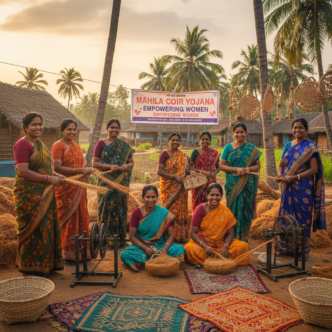
Integrating teak revenue into Ladki Bahin promises several economic and social benefits. First, it enhances fiscal sustainability by diversifying funding sources beyond traditional tax revenues, reducing volatility in welfare budgets. Second, responsible timber extraction can generate rural employment, encouraging locals to participate in forest management, nursery development, and value‑added processing of forest products.
Third, the additional funds could enable Ladki Bahin to incorporate complementary interventions. These might include:
- Skill development programs targeting women in handicrafts, agro‑processing, and digital entrepreneurship.
- Micro‑enterprise grants to support small‑scale businesses.
- Health insurance coverage for beneficiaries, improving overall well‑being.
According to a recent report by the Maharashtra State Planning Board, such expansions could lift over 500,000 households out of poverty within three years, aligning with the state’s broader goals of inclusive growth.
From an environmental perspective, linking revenue to sustainability incentives can promote better forest stewardship. By tying a portion of income to certified sustainable practices, the government hopes to deter illegal logging while encouraging afforestation and habitat restoration, thereby preserving biodiversity in the Western Ghgs.
Stakeholder Reactions and Policy Considerations
Environmental NGOs have expressed cautious optimism, stressing the necessity of robust monitoring mechanisms. Organizations such as WWF‑India and the Maharashtra Forest Department’s Technical Advisory Committee recommend adopting certified forest management standards, imposing strict harvest quotas, and conducting regular biodiversity assessments to prevent ecological degradation.
Women’s rights groups, including the Maharashtra State Women’s Commission, have welcomed the prospect of expanding Ladki Bahin. They argue that increased financial support can empower women to break inter‑generational cycles of poverty, improve maternal health outcomes, and foster greater economic participation. These groups also advocate for performance‑linked allocation, where additional funds are released only after achieving predefined socio‑economic targets such as a minimum increase in female school enrolment or entrepreneurship rates.
Political stakeholders have begun discussions on the legislative amendments required to formalise the revenue‑sharing framework. Budget committee members emphasise the need for clear legislative language to prevent misuse of funds and to ensure accountability. Meanwhile, industry bodies representing timber processors are exploring partnerships to enhance value addition and market access for sustainably harvested teak.
Implementation Roadmap and Timeline
The Finance Department, in collaboration with the Forest Department and the Women and Child Welfare Ministry, is drafting a comprehensive implementation plan. Key milestones include:
- Finalising the revenue‑sharing formula within the next three months.
- Establishing a dedicated monitoring committee comprising representatives from finance, forest, and social welfare sectors.
- Launching a public awareness campaign to inform eligible women about the scheme’s expansion and enrollment procedures.
A pilot phase is scheduled to commence within six months, focusing on selected teak reserves in Chandrapur and Gadchiroli. During this phase, actual revenue generation will be measured against projected figures, and adjustments to the allocation percentage will be made based on empirical data. Successful pilot outcomes will inform a statewide rollout, projected to begin in the 2026 fiscal year.
The rollout strategy includes integrating Ladki Bahin enrollment platforms with existing digital payment systems to expedite disbursement, as well as launching a streamlined online portal for beneficiaries to track fund utilisation and application status. Continuous monitoring and impact evaluation will be integral to the program’s design, ensuring that resources are directed efficiently toward the intended beneficiaries.
Conclusion
If the proposed revenue‑sharing model materialises, Maharashtra could set a precedent for innovative financing that couples environmental stewardship with social welfare. By converting teak forest earnings into a reliable funding stream for Ladki Bahin, the state not only addresses fiscal constraints but also reinforces a paradigm where natural resource exploitation directly contributes to gender equity and inclusive development. Stakeholders across government, civil society, and the private sector are watching closely, hopeful that this initiative will translate into tangible improvements for women throughout Maharashtra.
Stay updated with the latest Yojana schemes and government initiatives for better awareness and eligibility. For personalized guidance on accessing these benefits, reach out to us.