


Overview of Ladki Bahin Yojana
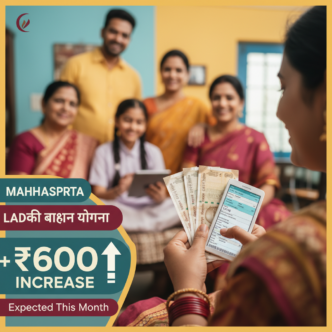
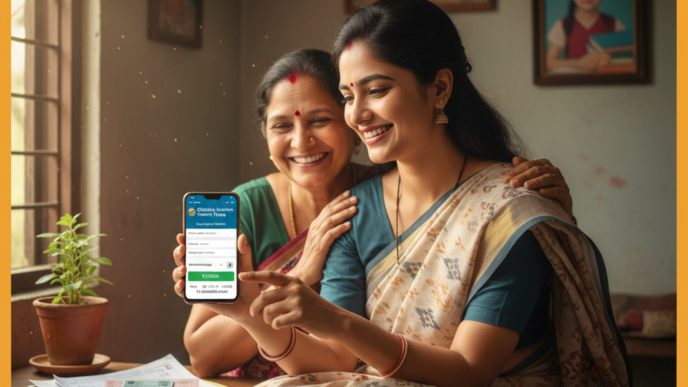
The Ladki Bahin Yojana is a flagship welfare initiative launched by the Government of Maharashtra in the fiscal year 2022‑23 to provide direct cash assistance to women from economically vulnerable backgrounds. Under the scheme, eligible females aged 18 to 60 receive a monthly stipend of Rs 1,500, intended to cover essential household expenditures such as nutrition, education, and primary healthcare. The programme specifically targets widowed, divorced, or single‑parent women whose families earn less than a defined income threshold, ensuring that the benefits reach those most at risk of financial insecurity. Since its inception, the scheme has registered over 1.2 million beneficiaries across urban and rural districts, marking a significant step toward gender‑focused financial inclusion in the state.
According to the official portal of the Maharashtra Social Justice Department (Maharashtra Social Justice), the enrollment process is simple: applicants must submit identity proof, income certificates, and relevant family records to designated tehsil offices. Once verified, the monthly tranche is transferred directly to the beneficiaries’ bank accounts through the National Direct Benefit Transfer (NDBT) platform, minimizing leakage and ensuring timely disbursement.
Recent Budget Discussions and Potential Cut
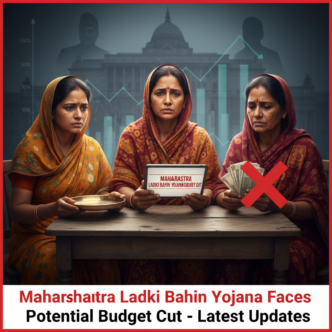
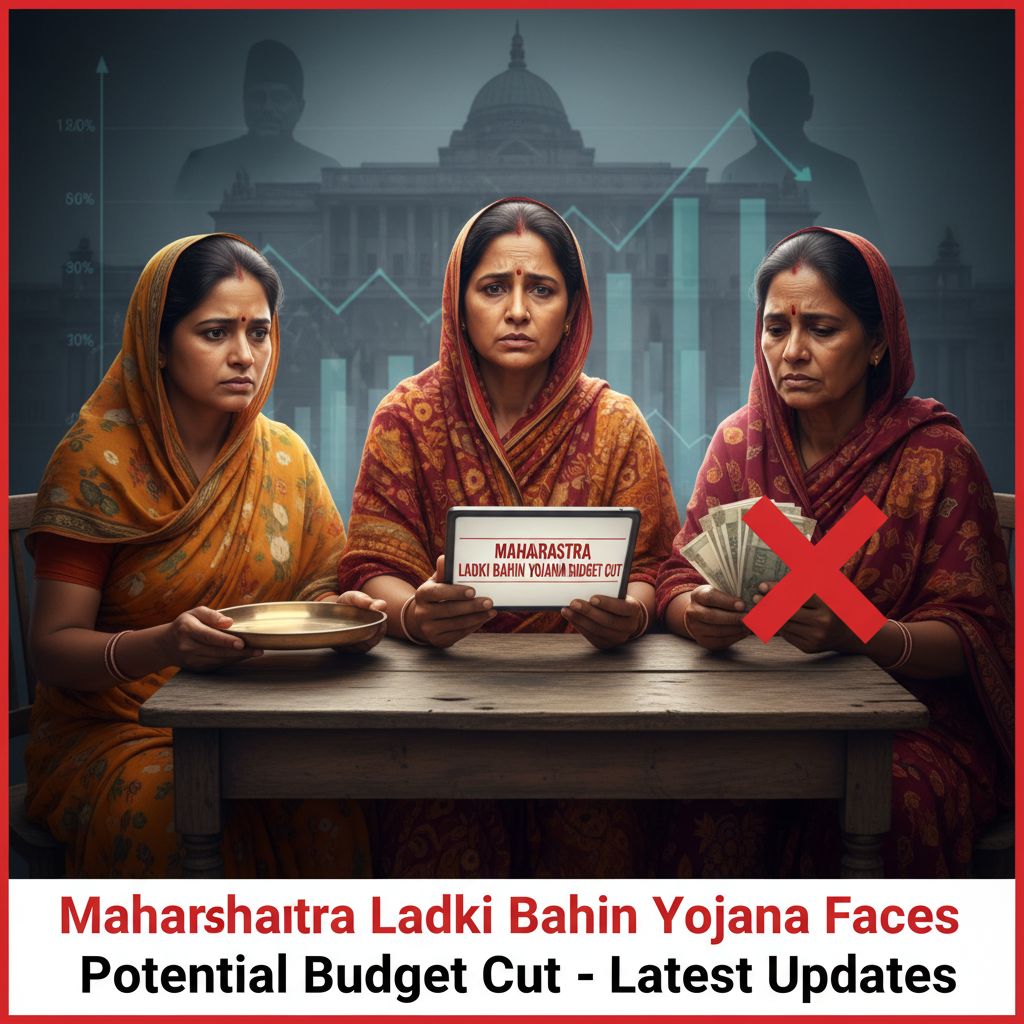
Recent deliberations within the Maharashtra Finance Department have raised the possibility of trimming the allocation earmarked for the Ladki Bahin Yohana in the upcoming fiscal year. Citing sources from reputable financial news outlet NDTV Profit, officials indicated that the proposed reduction forms part of a broader strategic shift to prioritise capital expenditure on infrastructure projects and servicing the state’s growing debt burden. Although the exact quantum of the cut remains under review, preliminary estimates suggest that a 10‑20 percent reduction could be on the cards, translating to an approximate shortfall of Rs 250‑500 crore in the scheme’s budget. 
Opposition parties and social advocacy groups have swiftly criticised the move, arguing that such fiscal tightening could undermine the socio‑economic upliftment of women who depend on the stipend for daily sustenance. Economists warn that a contraction in this cash transfer could exacerbate poverty cycles, particularly in regions where alternative support mechanisms are limited. The debate underscores a growing tension between fiscal prudence and social welfare priorities in Maharashtra’s budgetary planning.
Impact on Beneficiaries and Socio‑Economic Implications
If the contemplated budget cut proceeds, an estimated 150,000 women could experience a reduction or complete discontinuation of their monthly Rs 1,500 stipend. This figure represents a substantial portion of the scheme’s current beneficiary base, especially in high‑need districts such as Vidarbha, Marathwada, and parts of coastal Maharashtra. For many households, the stipend serves as a critical buffer against food insecurity and enables continued schooling for girl children.
Advocacy organisations, including the Maharashtra Women’s Development Agency, have highlighted several potential downstream effects: increased rates of malnutrition among infants, higher dropout rates for girls from secondary education, and heightened vulnerability to forced labour or early marriage. Moreover, the ripple impact on local micro‑enterprises—small shops and cooperatives that rely on the purchasing power of these women—could exacerbate economic stagnation in already distressed rural locales.
Expert Opinions and Government Response
Dr. Anita Deshmukh, senior policy analyst at the Centre for Social Development, emphasised that “the Ladki Bahin Yohana functions as a vital safety net for women who lack formal employment or social security. Any abrupt fiscal adjustment must be accompanied by alternative support structures—such as skill‑development programmes or targeted subsidies—to prevent unintended hardship for the most vulnerable.”
In response, finance ministry officials have clarified that the review is still in its nascent stages and that no final decision has been made. They have pledged to undertake a comprehensive impact assessment by the end of the quarter, incorporating feedback from beneficiaries, NGOs, and expert bodies. A senior official stated, “Our objective is to safeguard the core intent of the scheme while ensuring fiscal sustainability; stakeholder consultation will be integral to any amendment.”
Financial Details and Allocation
Initially, the Ladki Bahin Yojana was funded with an allocation of Rs 2,500 crore for the financial year 2023‑24. Of this, Rs 1,800 crore was designated specifically for direct cash transfers to eligible women, while the remaining amount covered administrative overheads, verification processes, and monitoring mechanisms. The proposed budgetary reduction, if ratified, could cut this allocation by up to 20 percent, resulting in a potential shortfall of approximately Rs 360 crore.
Such a reduction would necessitate difficult choices: either scaling down the number of beneficiaries or diminishing the monthly payout amount. Financial planners have suggested that maintaining the current stipend level for all existing beneficiaries would require either re‑allocation of funds from other state programmes or an increase in revenue generation through targeted taxes.
What the Government Says and How Citizens Can Stay Informed
In official communications, the Maharashtra government has stressed that the Ladki Bahin Yohana remains a priority and that any adjustments will aim to preserve benefits for the most vulnerable. Key points from recent statements include:
- The scheme will continue to be monitored for expenditure efficiency and beneficiary satisfaction.
- A detailed review will be completed by the end of the quarter, focusing on optimizing fund utilisation.
- Stakeholders—including NGOs, community leaders, and women’s collectives—will be consulted to gather suggestions for programme improvement.
Residents are encouraged to monitor official announcements on the Maharashtra Government’s portal (Maharashtra Official Site) and reputable news outlets for updates. Public consultations and webinars are slated for the coming months, providing a platform for affected individuals to voice their perspectives and influence policy decisions.
Conclusion
The Ladki Bahin Yohana represents a substantial effort by the Maharashtra government to promote gender equity, financial independence, and socio‑economic resilience among women facing economic hardship. As policymakers deliberate over potential budget adjustments, it is imperative that any fiscal re‑allocation be approached with a nuanced understanding of its impact on beneficiaries’ lived realities. Constructive dialogue among government agencies, civil society, and the public will be essential to ensure that reforms safeguard the scheme’s original intent while addressing broader fiscal constraints.
Stay updated with the latest Yojana schemes and government initiatives for better awareness and eligibility. For personalized guidance on accessing these benefits, reach out to us.