


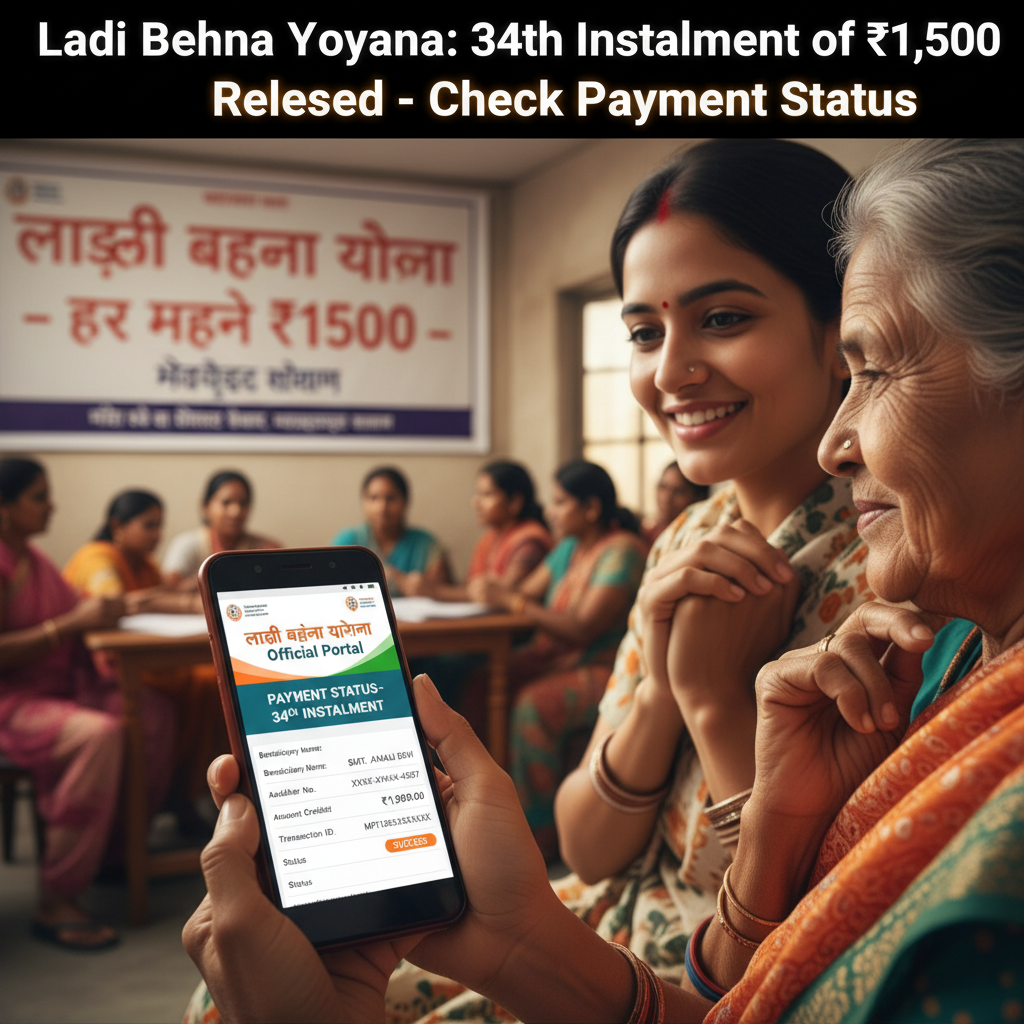
Overview of Ladli Behna Yojana
The Ladli Behna Yojana is a flagship welfare programme launched by the Government of Madhya Pradesh to empower girl children and economically disadvantaged women across the state. Under this scheme, eligible beneficiaries receive a monthly financial assistance of ₹1,500, directly credited to their bank accounts through the Jan Dhan platform. The primary objective is to promote gender equity, improve educational attainment, and enhance health outcomes for women who belong to low‑income households. Since its inception, the programme has evolved into a key pillar of the state’s social security architecture, aligning with national initiatives such as gender equality and the cash‑transfer model advocated by the Indian government.
In the broader context of Indian welfare policy, the Ladli Behna Yojana stands out for its focus on recurrent cash transfers rather than one‑time incentives. This approach seeks to provide a stable financial floor that can be utilized for household expenses, school fees, health check‑ups, and skill‑development activities. By targeting families with an annual income below ₹2 lakh, the scheme aims to reach the most vulnerable segments, including single mothers, tribal communities, and scheduled castes, thereby reinforcing the state’s commitment to inclusive development.
34th Instalment Release: Key Details
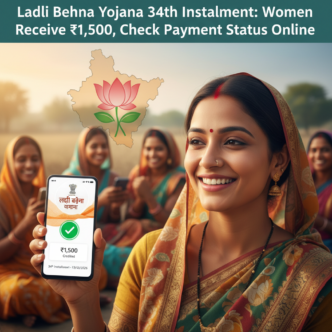
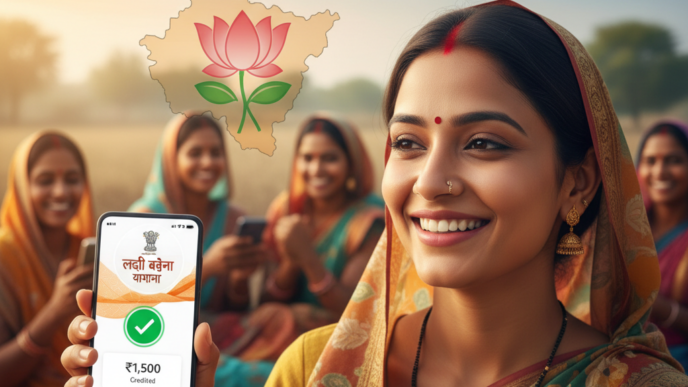
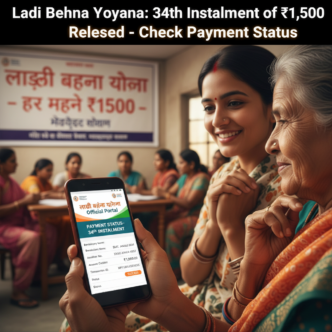
The 34th instalment of the Ladli Behna Yojana was officially released on 13 March 2026, marking a significant milestone in the scheme’s rollout. This tranche brought the cumulative number of payments to over 4.2 million women, underscoring the extensive reach of the programme. Each eligible beneficiary received an identical cash credit of ₹1,500, transferred straight into their bank account linked to their Aadhaar number under the Jan Dhan ecosystem. 
The release was announced through a press statement by the Department of Women and Child Development, Madhya Pradesh, and simultaneously broadcast live on CNBC TV18, allowing transparent dissemination of the information. Officials highlighted that the 34th instalment reflects the state’s ongoing effort to ensure that the most vulnerable households continue to receive timely financial support, especially amid fluctuating economic conditions. The government emphasised that the instalment is not merely a monetary disbursement but a stepping stone toward broader financial independence for women, encouraging them to invest in education, entrepreneurship, and health.
For those seeking more detailed information, the official release can be accessed via the programme’s portal: Ladli Behna Yojana portal.
How Beneficiaries Can Check Their Payment Status
Beneficiaries can verify whether they have received the 34th instalment by following a simple three‑step process available on the Ladli Behna Yojana portal. This digital verification mechanism is designed to be user‑friendly and accessible even for those with limited technical expertise.
- Step 1 – Visit the official portal: Navigate to the Ladli Behna Yojana portal and select the “Payment Status” tab.
- Step 2 – Enter required credentials: Input your 12‑digit Aadhaar number and complete the captcha verification displayed on the screen.
- Step 3 – View the transaction details: The system will display the latest instalment amount, the date of credit, and the bank reference number associated with the transaction.
If the payment has not been credited within the stipulated timeframe, beneficiaries can lodge a grievance through the portal’s “Help Desk” section or contact the nearest Women and Child Development office for assistance. The grievance redressal process typically involves a quick verification of bank details and can result in a re‑credit within 48 hours.
Eligibility Criteria and Application Process
Eligibility for the Ladli Behna Yojana is strictly defined to ensure that assistance reaches those who need it most. The key criteria are as follows:
- Applicant must be a resident of Madhya Pradesh.
- Family’s annual income must not exceed ₹2 lakh.
- Applicant should be a girl child, a married woman from an economically weaker section, or a single mother.
- A valid bank account linked to the applicant’s Aadhaar number is mandatory.
Interested applicants can submit their applications either online through the portal or offline at the nearest Anganwadi centre. Required documentation includes a copy of the Aadhaar card, an income certificate issued by a recognized authority, and proof of residence. Once the application is verified, which generally takes 15‑20 days, the applicant receives a unique beneficiary ID that is used for all subsequent transactions.
For a deeper understanding of the application workflow, prospective applicants can refer to the detailed guide available on the portal’s “Apply Now” section.
Impact, Comparisons and Future Outlook
The tangible impact of the Ladli Behna Yojana on women’s empowerment in Madhya Pradesh is evident across several socio‑economic indicators. A recent study conducted by the state’s Planning Department revealed a 12 % increase in school enrolment among girl children in beneficiary households, a 9 % rise in women’s participation in self‑help groups, and a 15 % reduction in reported cases of domestic violence. Moreover, the direct cash‑transfer model has substantially reduced leakages that plagued earlier welfare programmes, ensuring that the intended amount reaches the beneficiary without intermediaries.
When compared with other gender‑focused schemes, the Ladli Behna Yojana offers distinct advantages. For instance, Odisha’s “Kanya Suktikaran” provides a one‑time cash incentive, whereas Ladli Behna Yojana delivers recurring monthly assistance, ensuring sustained financial support. At the national level, programmes such as “Beti Bachao, Beti Padhao” focus primarily on awareness and indirect subsidies, lacking the direct cash‑transfer component that underpins the Madhya Pradesh scheme. This makes Ladli Behna Yojana a pioneering model for state‑level gender welfare.
Looking ahead, the government has outlined ambitious plans to expand the scheme’s coverage. Future enhancements include extending benefits to transgender individuals and widening the eligibility net for women from Scheduled Castes and Scheduled Tribes. A pilot project is currently underway to integrate instalment data with the state’s “Digital Saksharta” programme, aiming to provide financial‑literacy training to beneficiaries. Successful implementation of these initiatives could serve as a replicable blueprint for other Indian states seeking to adopt a recurring cash‑transfer model for women’s empowerment.
Stay updated with the latest Yojana schemes and government initiatives for better awareness and eligibility. For personalized guidance on accessing these benefits, reach out to us.