


Overview of Ladki Bahin Yojana
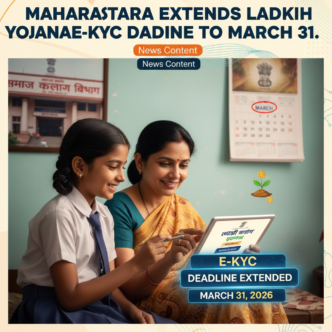
Launched by the Government of Maharashtra in the 2023‑24 fiscal year, the Ladki Bahin Yojana is a flagship cash‑transfer programme designed to empower women from economically weaker sections of society. Chief Minister Eknath Shinde announced the initiative as part of the state’s annual budget, aiming to provide direct financial assistance to eligible female residents who face income constraints. The scheme’s primary vision is to reduce economic vulnerability, improve access to education and health services, and foster greater participation of women in the state’s socio‑economic fabric. Beneficiaries receive a monthly stipend credited directly to their bank accounts through the Direct Benefit Transfer (DBT) platform, ensuring transparency and minimizing intermediaries.
The programme is rolled out in phases, targeting both urban and rural districts, and is aligned with broader gender‑inclusive development goals. By integrating the scheme with existing self‑help groups and community networks, the state hopes to create a sustainable ecosystem that not only delivers cash but also supports skill development, health check‑ups, and educational scholarships for girls. Early pilot projects in districts such as Nagpur, Jalna, and Kolhapur have shown promising uptake, with thousands of women already enrolled and receiving monthly transfers.
Objectives and Benefits
The core objectives of the Ladki Bahin Yohana revolve around financial independence, educational upliftment, and health improvement for women and girl children. The government envisions that a steady monthly stipend will enable families to meet basic household expenses, thereby freeing up resources for schooling and medical care. Specific benefits include: 
- Monthly cash assistance that can be utilised for school fees, nutrition, medical costs, or small‑scale income‑generating activities.
- Higher stipend rates for older women and those belonging to Scheduled Castes (SC) or Scheduled Tribes (ST), ensuring targeted support for the most vulnerable.
- Complimentary health check‑ups and linkages to scholarship schemes for higher education, encouraging continued academic pursuit.
- Integration with self‑help groups to foster community‑based support, entrepreneurship, and financial literacy.
These multidimensional benefits are intended to break the cycle of poverty, reduce dropout rates among girls, and improve overall family well‑being.
Eligibility Criteria
Eligibility for the Ladki Bahin Yojana is strictly defined to ensure that assistance reaches the intended demographic. Applicants must meet the following conditions:
- Be a resident of Maharashtra and a female citizen.
- Come from a household whose annual income does not exceed the income threshold prescribed by the state (currently INR 2.5 lakhs per annum).
- Be the head of a household or have a girl child in the family.
- Enroll the beneficiary or her daughter in a recognized educational institution.
- Be at least 18 years old for adult women seeking direct benefits; younger girls can be covered under the scheme through their mothers.
- Possess valid documentation, including an income certificate, land or property records, and proof of residence.
- Targeted quotas are allocated for SC, ST, and other marginalized communities to promote inclusive growth.
Eligible families are encouraged to apply through the official Ladki Bahin portal, where they can upload required documents and track the status of their application. For detailed guidance, the official scheme page provides step‑by‑step instructions.
Implementation Mechanism
Funds under the Ladki Bahin Yojana are transferred via the Direct Benefit Transfer (DBT) system, leveraging the banking infrastructure of nationalised banks, cooperative banks, and regional rural banks. Once a beneficiary’s eligibility is verified through document scrutiny and field verification by local panchayat officials, the monthly stipend is credited directly to her bank account. The process includes:
- Linking the beneficiary’s Aadhaar‑verified bank account to the scheme’s disbursement module.
- Sending an SMS alert to the registered mobile number confirming the credit.
- Allowing beneficiaries to monitor transaction history through an online portal accessible via web or mobile app.
The state has also established a robust grievance redressal mechanism, enabling applicants to lodge complaints regarding delayed payments, documentation errors, or disputes over eligibility. A dedicated helpline and e‑service portal ensure timely resolution, reinforcing trust in the programme’s transparency.
For more information on the DBT process, refer to the National Direct Benefit Transfer portal.
Political Context and Recent Announcements
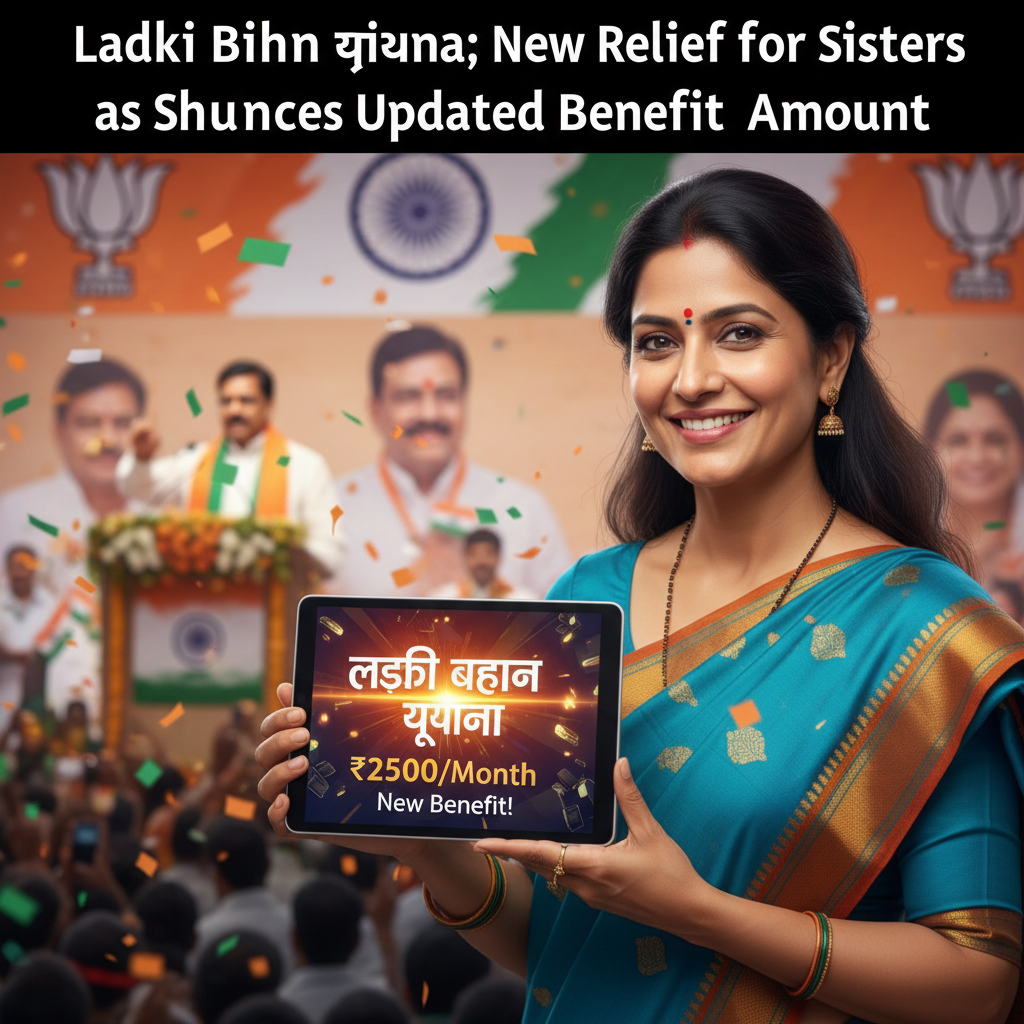
Recent political developments have amplified the visibility of the Ladki Bahin Yohana. During a rally in Pune, Chief Minister Eknath Shinde announced an increase in the monthly benefit amount, raising it from INR 1,000 to INR 1,500 for most beneficiaries, and pledged additional funding to expand coverage to additional districts ahead of the upcoming state elections. The announcement was framed as a demonstration of the ruling coalition’s commitment to women’s welfare and is widely interpreted as a strategic move to court female voters.
Political analysts suggest that the timing of the announcement reflects an effort to showcase the government’s focus on inclusive development and to counter criticism over gender‑biased policies. Civil society organisations have praised the decision, while opposition parties have called for broader enhancements, such as extending the scheme to transgender individuals and increasing the stipend for marginalized groups.
The political momentum surrounding the scheme has also spurred media coverage and public discourse, with many citizens discussing the potential impact on household economies and gender equity. For ongoing updates, reputable news sources such as The Times of India and NDTV provide regular reports.
Impact on Beneficiaries
Early impact assessments indicate that the Ladki Bahin Yojana is already delivering tangible benefits to its recipients. Surveys conducted by the Maharashtra State Planning Department reveal that over 60 % of beneficiary households report increased ability to meet daily expenses, while 45 % note improved school attendance for their daughters. Health‑related data suggest a rise in utilisation of maternal and child health services, as families allocate part of the stipend for medical check‑ups and essential medicines.
Non‑governmental organisations have documented numerous success stories. For instance, a group of women in Aurangabad used their monthly payments to launch a home‑based handicraft enterprise, generating additional income and creating employment for neighbours. In rural Jalna, several families have invested the stipend in livestock rearing, enhancing food security and reducing reliance on external aid.
Moreover, the scheme’s linkage with scholarship programmes has enabled several girls to pursue higher education in fields such as nursing and education, breaking intergenerational barriers to advancement. These outcomes underscore the potential of cash‑transfer initiatives to catalyse socio‑economic empowerment and foster community development.
Challenges and Future Outlook
Despite its encouraging results, the Ladki Bahin Yojana faces several implementation challenges that the state government must address to ensure sustainability. Accurate identification of eligible households remains complex, with concerns about data gaps, duplicate entries, and potential leakage of funds. In many rural areas, women still lack bank accounts, necessitating extensive outreach to open new accounts and facilitate financial inclusion.
Additional hurdles include the need for robust monitoring mechanisms to prevent fraud, ensure that benefits are not diverted, and maintain data integrity across districts. To overcome these obstacles, the state plans to enhance digital verification tools, expand partnerships with financial institutions for rapid account opening, and launch awareness campaigns targeting marginalized communities.
Looking ahead, the government has announced intentions to broaden the scheme’s scope by incorporating additional age groups, integrating it with complementary welfare programmes such as skill‑development and micro‑enterprise support, and exploring pilot projects that combine cash transfers with entrepreneurship training. These forward‑looking strategies aim to transform the Ladki Bahin Yojana into a holistic empowerment platform that not only provides financial assistance but also cultivates economic opportunities for women across Maharashtra.
Stay updated with the latest Yojana schemes and government initiatives for better awareness and eligibility. For personalized guidance on accessing these benefits, reach out to us.