


BIG Ladki Bahin Yojana Jan Installment Distribution Scheduled for February 15 2026
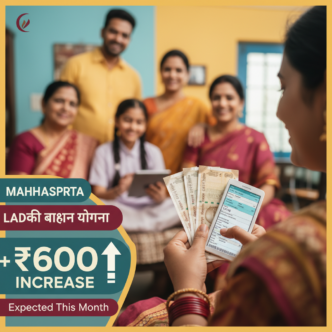
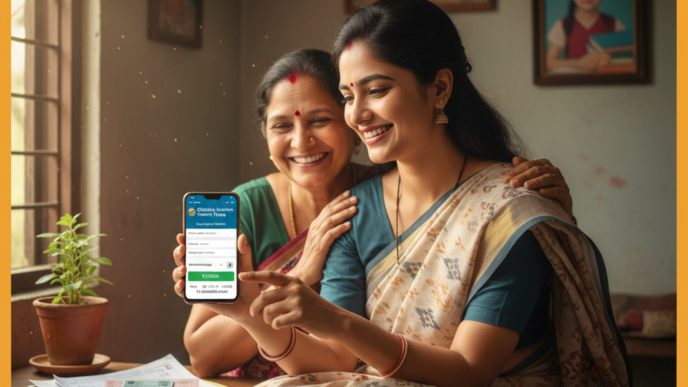
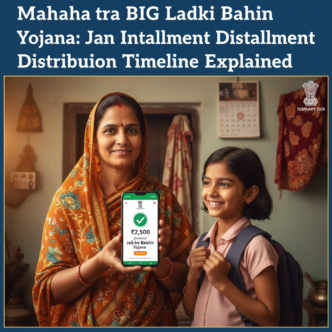
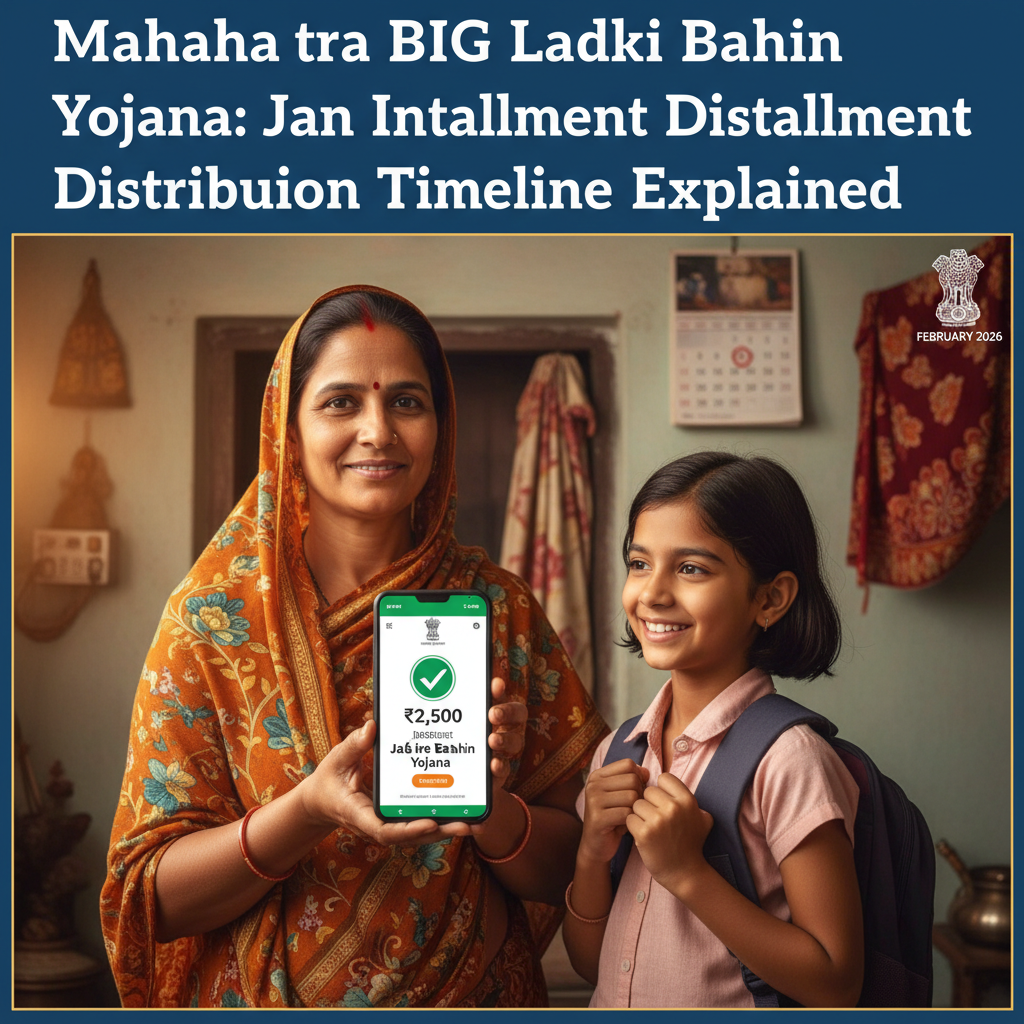
The Maharashtra government has confirmed that the January instalment of the BIG Ladki Bahin Yojana will be transferred to eligible beneficiaries on 15 February 2026. This payment, valued at Rs 2,500 per woman, marks the ninth monthly disbursement under the scheme since its launch in July 2024. The authorities have announced a strict release calendar, ensuring that every verified recipient receives the funds directly into the bank account linked to their Aadhaar number. The government emphasized that the timing aligns with the fiscal calendar, allowing for precise budgeting and audit before the funds are credited.
Beneficiaries are urged to monitor their bank statements and the official portal for confirmation of receipt. In the event of a delayed credit, the grievance redressal mechanism will be activated immediately, with a dedicated helpline and an online ticketing system available through the Maharashtra Social Welfare portal. The administration has also pledged to publish a consolidated list of all recipients on the website within three days of the instalment release, enhancing transparency and public trust.
According to the latest circular issued by the Department of Women and Child Development, the January instalment will be funded from the state’s Women Empowerment Fund, which was allocated an additional Rs 2,500 crore for the current fiscal year. This infusion is part of a broader strategy to sustain the cash‑transfer model without compromising other welfare programmes. The Finance Ministry’s recent audit report highlighted that the scheme has maintained a 98.7 percent payment accuracy rate across the first eight months, a figure that the government aims to improve further with the upcoming instalment. 
How Beneficiaries Can Verify Their Eligibility and Track Payments
Eligibility verification is a critical step before any payment can be processed under the Ladki Bahin Yojana. Interested women must first ensure that they meet the core criteria: residency in Maharashtra, age of 18 years or above, and status as the primary head of a household. Additional requirements include possession of a valid Aadhaar card, a linked bank account in their name, and the absence of a regular government salary. The online registration portal, accessible at welfare.maharashtra.gov.in, streamlines the verification process through Aadhaar‑linked OTP authentication.
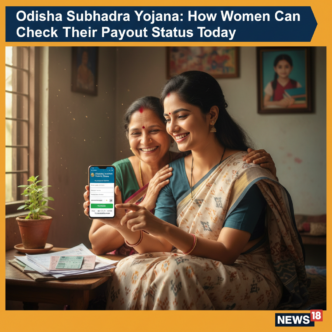
Once registered, beneficiaries can log in using their registered mobile number and OTP to access the “Payment History” section. This dashboard displays the latest transaction date, amount, and status—whether the funds have been credited, are pending verification, or have been rejected. For those who encounter discrepancies, the portal offers a built‑in grievance form that can be submitted directly to the district social welfare office. Upon receipt, officials typically respond within 48 hours with a resolution or a request for additional documentation.
To further simplify tracking, the government has introduced SMS alerts that are automatically sent to registered mobile numbers when a payment is processed. These messages include a unique transaction reference number and a link to the official portal where users can view a detailed breakdown of the disbursement. External links to the scheme’s Wikipedia page (https://en.wikipedia.org/wiki/Maharashtra) provide additional context for readers seeking broader historical information about similar cash‑transfer programmes in India.
Eligibility Criteria and Application Process Explained
The eligibility framework for the Ladki Bahin Yojana is intentionally straightforward to encourage maximum participation among eligible women. Applicants must be female residents of Maharashtra, aged 18 years or older, and must function as the primary earner or head of their household. The scheme specifically excludes married women who are already receiving a state‑run pension, as well as individuals employed in permanent government positions that provide a regular salary. A valid Aadhaar card and a bank account linked to that Aadhaar are mandatory, ensuring that funds can be transferred directly without intermediaries.
The application workflow begins on the official Maharashtra Social Welfare portal, where prospective beneficiaries must create an account using their mobile number and email address. After completing the OTP verification step, applicants upload scanned copies of essential documents: Aadhaar, bank passbook, proof of residence, and a self‑declaration affirming that they are not employed in a government role. The portal’s automated validation engine cross‑checks these inputs against the central database, flagging any duplicate Aadhaar entries or mismatched information before final submission.
Upon successful verification, the applicant receives an acknowledgment SMS containing a unique reference number. This number serves as a tracking code that can be used to monitor the status of the application and subsequent payments. The entire process, from registration to provisional approval, typically takes between 7 to 10 days, provided that all documents are clear and accurately scanned. For readers interested in the broader context of welfare initiatives, the Ministry of Rural Development’s overview (https://ruraldevelopment.gov.in) offers comparative insights into national cash‑transfer schemes.
Economic and Social Impact of the Scheme on Women and Communities
Since the inception of the Ladki Bahin Yojana, early impact assessments have documented significant improvements in household welfare and gender equity across Maharashtra’s urban and rural landscapes. Preliminary data released by the Department of Women and Child Development indicates a 12 percent rise in school enrolment among girl children in families receiving the stipend, as families report increased capacity to meet education‑related expenses such as uniforms, textbooks, and transport fees. Additionally, a recent survey conducted by the Indian Institute of Social Welfare revealed that 68 percent of beneficiaries felt a heightened sense of financial autonomy, leading to more confident decision‑making in household budgeting.
The cash‑transfer model has also contributed to a measurable reduction in reliance on informal lending among low‑income households. By providing a predictable monthly income of Rs 2,500, the scheme enables women to meet small‑scale credit needs without resorting to high‑interest lenders. This financial buffer has been linked to a modest decline in reported cases of domestic economic abuse, as women gain greater leverage in negotiating household financial matters. Moreover, the program’s emphasis on direct bank transfers through Aadhaar has enhanced financial inclusion, opening new avenues for beneficiaries to access other digital services such as insurance and micro‑investment platforms.
Beyond individual households, the scheme has stimulated localized economic activity. Small shop owners and service providers in semi‑urban districts have noted a surge in consumer spending following each instalment, particularly in sectors like groceries, healthcare, and personal care products. Economists attribute this uplift to the “multiplier effect” of cash transfers, where initial government disbursements cascade into broader retail and service sector growth. For a deeper dive into the macro‑economic implications of cash‑transfer programmes, the World Bank’s report on social safety nets (https://www.worldbank.org) offers comprehensive analysis and case studies.
Future Roadmap and Expansion Plans for the BIG Ladki Bahin Yojana
Looking ahead, the Maharashtra government has outlined an ambitious roadmap to broaden the scope and impact of the Ladki Bahin Yojana. In the upcoming fiscal budget, additional provisions have been earmarked to incorporate single mothers, women with disabilities, and survivors of domestic violence into the eligibility pool. These groups will receive an enhanced stipend of Rs 3,000 per month, reflecting the state’s recognition of their heightened vulnerability. Pilot projects are already underway in districts such as Nanded and Beed to test targeted outreach strategies and streamline documentation for these specialized categories.
Technology integration is another focal point of the expansion plan. The state intends to roll out a mobile application that will enable beneficiaries to update their profiles, report grievances, and access educational resources on financial literacy—all within a single, user‑friendly interface. This digital upgrade aims to reduce processing times and improve real‑time monitoring of fund flow, ensuring that payments remain prompt and accurate. Furthermore, collaboration with fintech partners is expected to facilitate optional savings-linked schemes, allowing recipients to automatically allocate a portion of their stipend to long‑term investments such as health insurance or retirement funds.
The government also plans to conduct a third‑party impact evaluation every six months, leveraging data from the National Sample Survey and independent research institutions. Findings from these assessments will inform policy adjustments, ensuring that the programme remains responsive to evolving socio‑economic realities. Stakeholders, including NGOs, academic institutions, and private sector partners, have been invited to participate in a public consultation process scheduled for March 2026, offering a platform for feedback and suggestions on future enhancements.
Stay updated with the latest Yojana schemes and government initiatives for better awareness and eligibility. For personalized guidance on accessing these benefits, reach out to us.