



Introduction
The Union Ministry of Labour and Employment unveiled a sweeping amendment to the Labour Welfare Scheme on 28 February 2026, signaling a decisive shift toward modernising India’s social security framework for workers. This revision comes at a time when the gig economy, remote work, and pandemic‑induced disruptions have reshaped employer‑employee expectations, prompting policymakers to revisit the scheme’s relevance. The updated guidelines broaden the definition of welfare fund utilisation, raise contribution thresholds, and mandate a digital grievance redressal portal that will cut resolution timelines dramatically. By weaving in feedback from trade unions, employer federations, and civil society groups gathered during virtual workshops between November 2025 and January 2026, the ministry aims to balance regulatory rigor with operational flexibility for businesses. For more context on the scheme’s historical backdrop, see the Labour Welfare Scheme entry on Wikipedia.
Details of Amendment
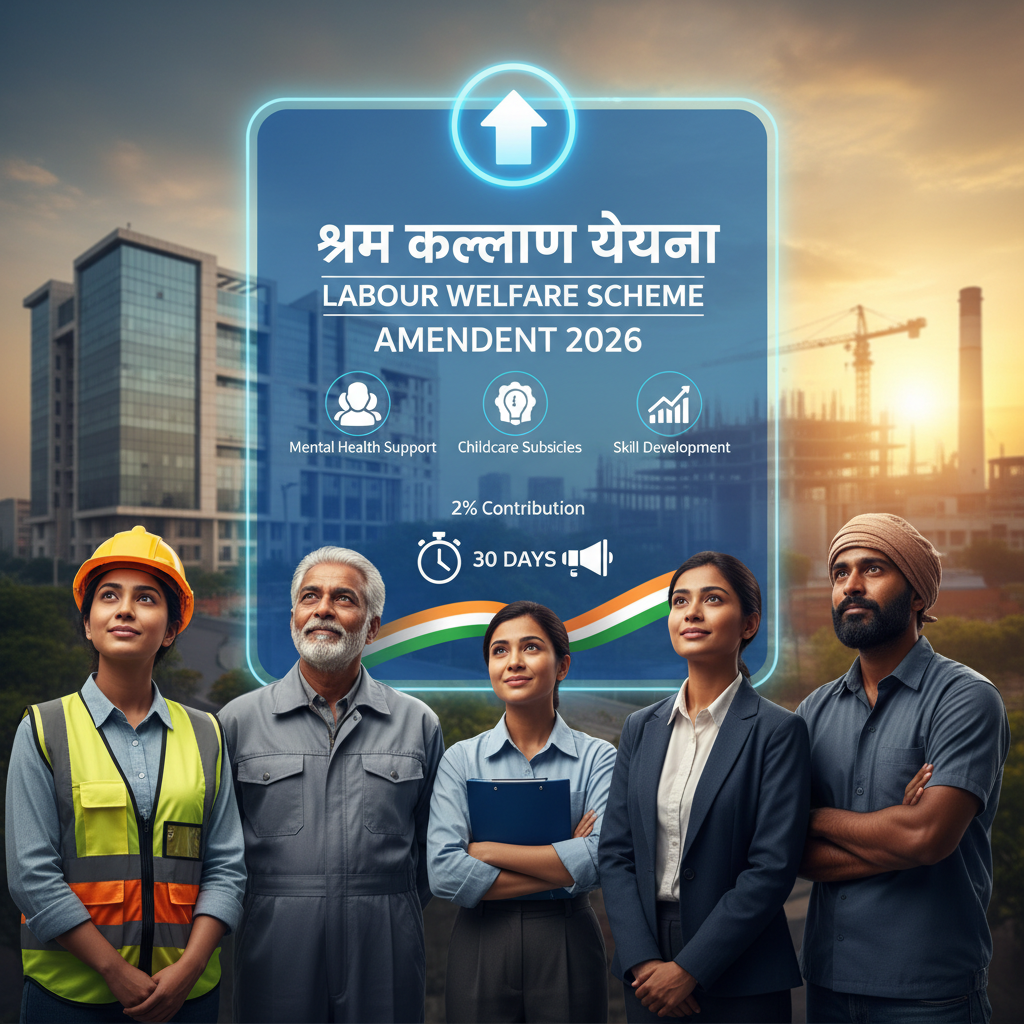
The amendment introduces three core modifications. First, the scope of “welfare fund” now encompasses mental health counselling, childcare subsidies, and skill‑development allowances, reflecting a holistic view of employee well‑being. Second, the employer contribution rate is increased from 1.5 % to a minimum of 2 % of gross wages, with a phased easing for micro‑enterprises employing fewer than ten workers. Third, a mandatory grievance redressal portal will be instituted, compelling employers to channel all worker complaints through the ministry’s centralized cell, reducing the previous dispute‑settlement window from 90 days to a maximum of 30 days. These changes are projected to enhance fund adequacy, broaden eligibility, and expedite conflict resolution. Official details can be explored on the Ministry’s Labour and Employment portal.
Impact on Employers
Employers will feel the reverberations of the amendment across several dimensions. While the higher contribution ceiling may strain cash‑flow for labour‑intensive micro and small enterprises, the ministry has introduced a transitional subsidy that will reimburse up to 30 % of the additional burden for the first two fiscal years. Moreover, the expanded list of permissible welfare activities grants firms the latitude to design benefits that align with their operational models, potentially boosting employee morale and retention. The digital grievance portal, though a compliance imperative, necessitates investments in cybersecurity and staff training; to soften this transition, the ministry will launch a dedicated support hub offering technical assistance, compliance checklists, and periodic webinars. Further guidance is available on the Compliance Support Hub. 
Impact on Employees
From the employee perspective, the amendment translates into richer welfare coverage and swifter dispute resolution. The inclusion of mental‑health services and childcare subsidies directly addresses long‑standing gaps that have disproportionately affected women and migrant labourers, enhancing work‑life balance and productivity. A 30‑day grievance redressal timeline is expected to curtail legal costs, reduce emotional distress, and empower workers with real‑time status updates via the portal. Trade unions have lauded these developments, arguing that more efficient statutory mechanisms amplify collective bargaining power. Additionally, employees will gain transparent access to fund utilisation reports, fostering trust in the system. For an overview of employee rights in India, refer to the Indian labour law Wikipedia page.
Implementation Phases
The rollout is structured into three clearly demarcated phases to ensure a smooth transition. Phase One, commencing in April 2026, obliges all registered establishments to submit an initial compliance audit through the newly created online portal, detailing existing welfare expenditures and proposed enhancement plans. Phase Two, slated for July 2026, introduces quarterly reporting requirements, compelling firms to disclose fund utilisation, disbursement instances, and audit outcomes on a regular basis. Phase Three, to be completed by December 2026, enforces penalties for non‑compliance, including fines up to 5 % of annual turnover and potential suspension of business licences. A verification mechanism involving third‑party auditors will assess adherence, with findings made publicly accessible to promote transparency. The phased approach is designed to provide ample adjustment time while maintaining stringent oversight. Further details on audit procedures can be found on the Audit Guidelines page.
Stakeholder Reactions
Stakeholder responses have been predominantly positive, though accompanied by calls for further refinements. Employer associations have praised the transitional subsidy and the flexibility in defining eligible welfare activities, contending that these measures mitigate compliance costs while encouraging innovative benefit designs. Labour unions, however, have urged the ministry to extend the scheme’s reach to the informal sector, which currently remains excluded from formal welfare protections. Civil society organisations have underscored the necessity of robust monitoring to prevent fund misallocation, suggesting pilot projects employing blockchain‑based transaction tracking. In response, the ministry has commissioned pilot initiatives in select states to evaluate scalable technological solutions. For insights into blockchain’s role in public sector transparency, see the Blockchain Wikipedia article.
Conclusion
In sum, the amendment to the Labour Welfare Scheme represents a pivotal advancement in India’s quest to modernise social security for the contemporary workforce. By tightening financial contributions, broadening benefit categories, and streamlining grievance redressal, the government seeks to construct a resilient welfare ecosystem capable of adapting to evolving labour market dynamics. The ultimate efficacy of these reforms will depend on sustained collaboration among policymakers, employers, and workers, as well as on the implementation of robust monitoring and support mechanisms. Continuous dialogue and periodic evaluation will be essential to fine‑tune the scheme, address emerging challenges, and ensure that the intended benefits permeate the most vulnerable segments of the workforce. As the phased rollout unfolds, the initiative aspires to foster inclusive growth, improve employee well‑being, and reinforce the nation’s commitment to sustainable social development.
Stay updated with the latest Yojana schemes and government initiatives for better awareness and eligibility. For personalized guidance on accessing these benefits, reach out to us.