


Political Repercussions and Public Perception
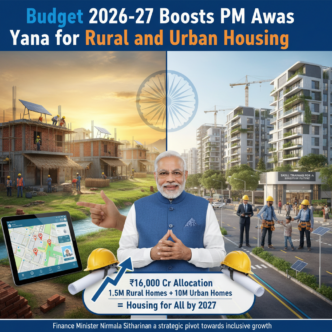
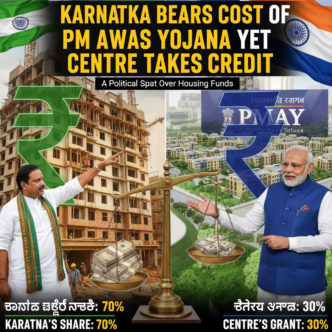
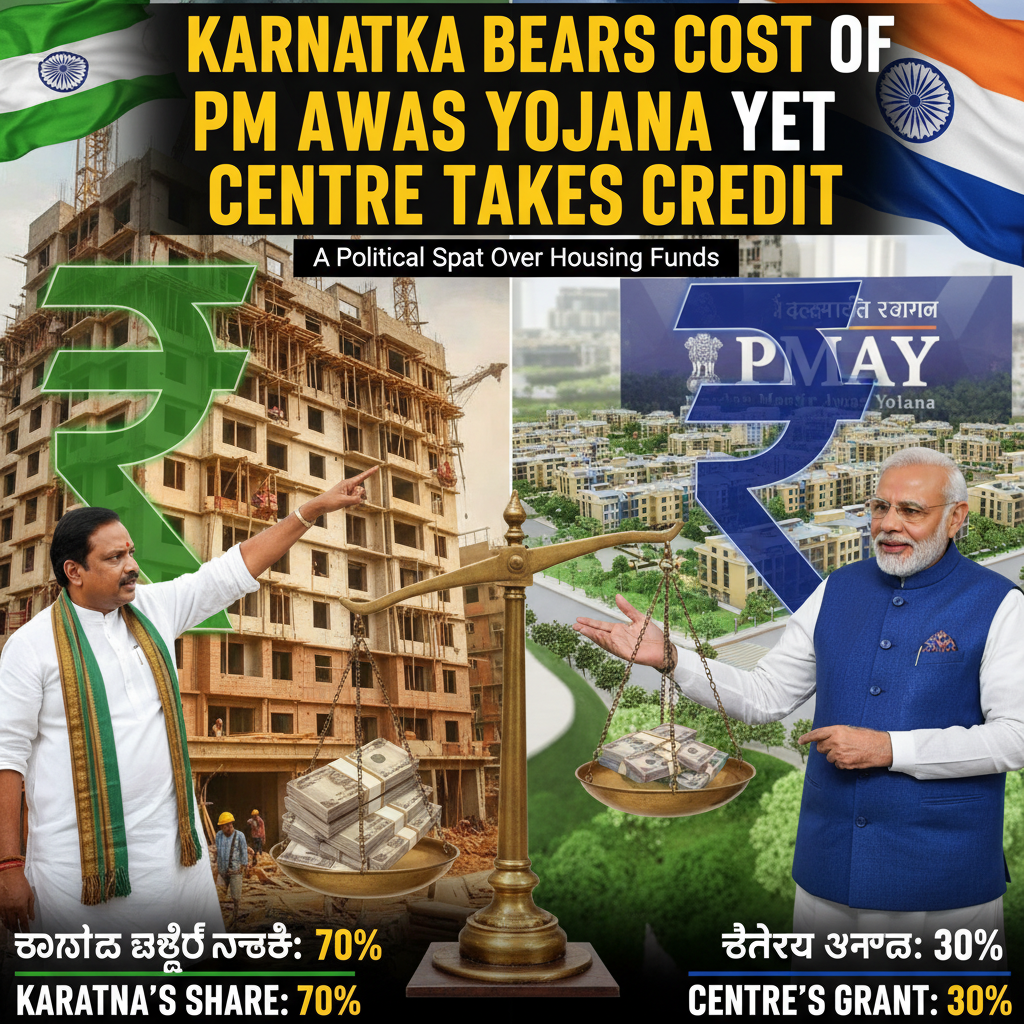
On January 24, 2026, Karnataka Chief Minister Siddaramaiah stepped into the national conversation on affordable housing by asserting that the Union government was taking undue credit for the Pradhan Mantri Awas Yojana (PMAY) while Karnataka bore the lion’s share of the implementation costs. The accusation sparked a wave of commentary across television panels, newspaper editorials, and social‑media feeds, with opposition leaders framing the issue as a classic case of federal inequity. Analysts note that the discourse resonates with voters who are increasingly attentive to how central schemes translate into tangible benefits on the ground. By highlighting that the state funds roughly 70 % of the housing expenditure, the Karnataka administration seeks to underline its commitment to national welfare goals, while also positioning itself as a vigilant custodian of public funds.
The public reaction has been mixed. Beneficiaries of PMAY in Bengaluru, Mysuru, and other urban centres have expressed satisfaction at receiving homes, yet many also voiced frustration over lengthy waiting lists and delayed disbursements, issues they attribute to insufficient state-level resources. Civil‑society groups have organised rallies demanding greater transparency in how central funds are allocated and spent, urging the Centre to publicly acknowledge the disproportionate contributions of states like Karnataka. This heightened scrutiny may influence upcoming state elections, as parties vie to claim credit for both the successes and the shortcomings of the housing programme.
State Cost Breakdown
Official budget documents from the Karnataka Finance Department reveal that roughly 70 % of the total expenditure on PMAY projects within the state is financed directly from the state’s own resources. This financial outlay encompasses land acquisition, additional infrastructure development, and a range of subsidies that are not covered by the central allocation. Over the fiscal years 2020‑2025, Karnataka officials estimate a cumulative state contribution exceeding INR 30,000 crore, a figure that dwarfs the central government’s share of approximately INR 12,000 crore during the same period. 
- Land procurement: The state purchases and prepares land for housing colonies, often at market‑rate prices, a cost not reimbursed by the Centre.
- Infrastructure augmentation: State agencies invest in roads, drainage, and power supply to make newly acquired sites habitable.
- Beneficiary verification and monitoring: Local municipal bodies conduct ground‑level verification of eligible families, a labour‑intensive process funded entirely by the state.
- Grievance redressal and oversight: Dedicated helplines and grievance cells manage resident complaints, incurring operational overhead beyond the central tranche.
- Additional subsidies: The state provides extra financial support to low‑income families to meet down‑payment and interest‑subsidy requirements, a measure not mirrored in the central formula.
These expenditures are not merely accounting entries; they translate into tangible improvements in living standards for thousands of families. A recent impact study published by the Karnataka Housing Department indicated that over 450,000 households have moved into pucca (permanent) homes under PMAY, with a notable reduction in slum dwellings in Bengaluru’s peripheral zones. However, the same study warned that without sustained state investment, the scheme’s momentum could stall, jeopardising the ambitious “Housing for All by 2022” target.
Central Government’s Response
A spokesperson for the Ministry of Housing and Urban Affairs responded that the Centre remains committed to supporting state initiatives through fiscal incentives, technical assistance, and capacity‑building programmes. The spokesperson emphasized that while credit for successful outcomes should be shared, the Centre’s role in designing and funding the overarching framework of PMAY remains pivotal. According to the official release, the central allocation is calibrated to align with national priorities and that any adjustments to funding formulas would require inter‑governmental negotiations under the established constitutional mechanisms.
Nevertheless, the Centre’s stance has been perceived by some state officials as a “top‑down” narrative that glosses over the on‑ground realities of implementation. Critics argue that the central government’s emphasis on a single‑point credit line – often highlighted in national‑level advertisements – obscures the complex multilayered financing structure that makes PMAY functional. By maintaining that credit attribution must be a collaborative exercise, the Ministry signals openness to dialogue, yet the absence of a formal mechanism for joint accounting continues to fuel mistrust.
Implications for Federal‑State Relations
Policy experts caution that persistent disputes over cost attribution could strain inter‑governmental cooperation, potentially jeopardising future centrally sponsored schemes that rely on state-level execution. They recommend the establishment of a clear legislative framework that delineates financial responsibilities, reporting standards, and credit‑allocation protocols for schemes like PMAY. Such a framework would not only mitigate misunderstandings but also ensure that state governments receive appropriate recognition for their contributions, thereby encouraging greater participation in national welfare initiatives.
In practice, a transparent accounting system could involve joint monitoring committees comprising representatives from both the Centre and the States. These committees would oversee expenditure tracking, verify beneficiary data, and publish consolidated reports on a quarterly basis. By institutionalising this collaborative oversight, the federal structure could foster a more equitable distribution of fiscal burdens and credit, reinforcing the principle of cooperative federalism that underpins India’s constitutional design.
Future Outlook and Recommendations
Looking ahead, Karnataka plans to submit a formal memorandum to the central government requesting a revision of the funding ratio for PMAY projects within the state. The memorandum aims to secure a more equitable share of financial responsibility commensurate with the state’s fiscal inputs, arguing that a revised ratio would reflect the disproportionate contributions made by Karnataka’s land‑bank and infrastructure investments.
Stakeholders also suggest that the creation of joint monitoring committees, comprising representatives from both the Centre and the States, could facilitate transparent accounting of expenditures and credit distribution. Such a collaborative approach may help rebuild trust and streamline the implementation of large‑scale housing schemes across the country. Experts further recommend that the central government periodically review the fiscal parameters of PMAY to incorporate state‑specific cost variations, ensuring that funding allocations evolve in line with ground realities.
In conclusion, the debate over the Pradhan Mantri Awas Yojana’s cost sharing underscores the intricate balance between central oversight and state execution. It highlights the necessity for transparent fiscal communication and equitable recognition of contributions, ensuring that national welfare programs achieve their intended impact without being hampered by political friction. By addressing these structural issues, both the Centre and the States can work together to realise the vision of “Housing for All” in a coordinated and mutually supportive manner.
Stay updated with the latest Yojana schemes and government initiatives for better awareness and eligibility. For personalized guidance on accessing these benefits, reach out to us.