


Gujarat CM Bhupendra Patel Launches State‑Wide ‘Mukhyamantri Gramotthan Yojana’
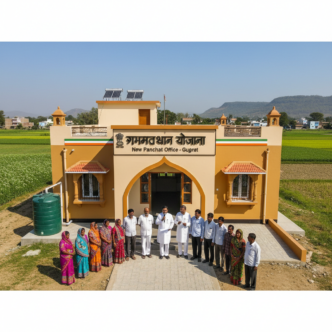
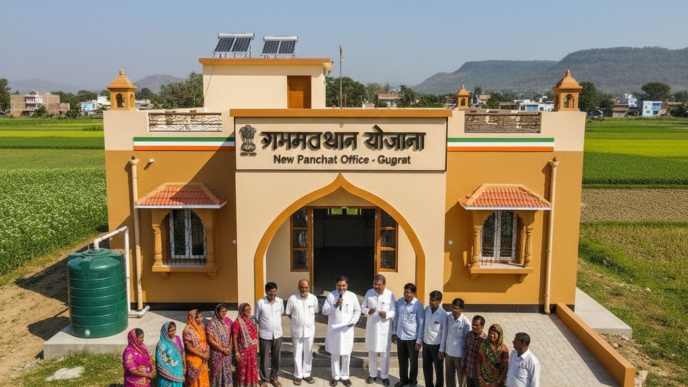
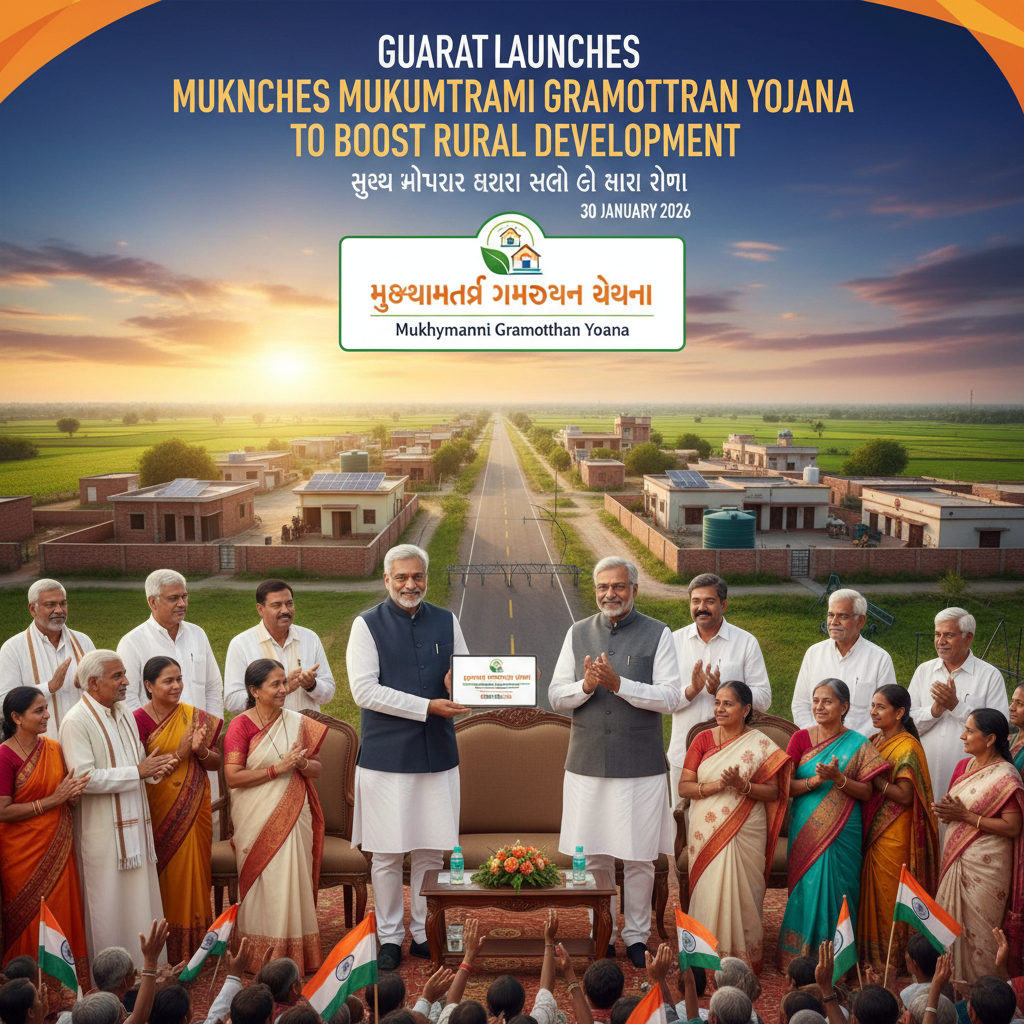
On Friday, 30 January 2026, Gujarat Chief Minister Bhupendra Patel inaugurated the flagship Mukhyamantri Gramotthan Yojana from Bhadran in Anand district. The ceremony, graced by senior bureaucrats, representatives of farmer organisations, and local panchayat members, signified the formal rollout of a comprehensive rural upliftment programme aimed at accelerating development across the state’s villages. The launch marks a pivotal moment in Gujarat’s governance narrative, underscoring the administration’s commitment to inclusive growth and data‑driven policymaking.
Objectives and Scope
The primary aim of the Mukhyamantri Gramotthan Yojana is to elevate the socio‑economic condition of rural households by closing critical gaps in agriculture, water supply, infrastructure, and livelihood opportunities. The scheme targets approximately 1.2 million households across 30 districts, focusing on regions identified through the state’s Rural Development Index (RDI). Key objectives include:
- Increasing agricultural output by 12 % within the first two years through access to micro‑irrigation and high‑yield seed varieties.
- Providing direct income support of up to INR 15,000 per eligible family per annum.
- Ensuring safe drinking water in 90 % of targeted villages by 2027.
- Upgrading school facilities and health centres to reduce urban‑rural disparity in public services.
- Strengthening rural connectivity through all‑weather roads and broadband internet.
According to the official scheme booklet, eligibility is determined on the basis of the RDI score, landholding size, and household income thresholds. Families with a per‑capita income below INR 1.5 lakh annually, or those owning less than 2 hectares of cultivable land, qualify for benefits under the programme. 
Financial Architecture
The state has earmarked a dedicated fund of INR 4,500 crore for the first phase of the Mukhyamantri Gramotthan Yojana, sourced from the Gujarat Rural Development Fund and supplemented by a modest surcharge on state‑owned electricity tariffs. The financing model emphasises transparency: funds are disbursed through a newly developed online portal that tracks beneficiary enrolment, disbursement, and utilisation, thereby minimising leakages and ensuring accountability.
Strategic convergence with central schemes amplifies impact. The Gujarat government will align the Mukhyamantri Gramotthan Yojana with the Pradhan Mantri Krishi Sinchayee Yojana (PMKSY) for irrigation support and with the Mahatma Gandhi National Rural Employment Guarantee Act (MGNREGA) for wage‑employment linkages. This convergence is expected to leveraging an additional INR 2,300 crore of central assistance.
Implementation Framework
Implementation will be overseen by a three‑tier structure designed to ensure seamless coordination from the state capital down to the village level:
- State‑level Steering Committee: Chaired by Chief Minister Bhupendra Patel, this body sets policy direction, reviews progress, and resolves inter‑departemental issues.
- District‑level Implementation Cell: Headed by the District Collector, this cell coordinates with gram panchayats, aggregates data, and addresses implementation bottlenecks.
- Gram Panchayat Execution Teams: Local volunteers and accredited NGOs enrol beneficiaries, verify claims, and supervise on‑ground work, ensuring that schemes are grounded in community realities.
To facilitate real‑time monitoring, each tier will feed data into the central Gramotthan Dashboard, a publicly accessible interface that visualises key performance indicators (KPIs) such as crop yield, water coverage, and beneficiary income growth.
Key Components of the Yojana
The programme comprises five interlocking components that collectively aim to create a sustainable ecosystem for rural prosperity:
- Water Security: Installation of solar‑powered borewells, rainwater harvesting systems, and community water tanks. The target is to provide safe drinking water to 90 % of targeted villages by 2027, reducing reliance on contaminated sources.
- Agricultural Extension: Deployment of extension officers who train farmers on modern agronomy, integrated pest management, and market linkage. The state plans to station one extension officer per 5,000 beneficiary households.
- Livelihood Diversification: Skill‑development workshops for youth and women in sectors such as agro‑processing, handicrafts, and digital services. Partnerships with private ed‑tech firms will enable micro‑certification programmes.
- Infrastructure Enhancement: Construction of all‑weather roads, connectivity to electric grids, and broadband internet access in villages. These upgrades aim to reduce isolation and foster market access for rural producers.
- Social Security: Enrollment of eligible families in the state’s Ayushman Bharat health insurance scheme and pension benefits, providing a safety net against health shocks and old‑age vulnerability.
Monitoring, Evaluation, and Grievance Redressal
A robust monitoring framework will employ quarterly dashboards that track indicators such as crop yield, water coverage, beneficiary income, and school enrolment rates. Independent audits will be conducted by the State Audit Department, and findings will be made publicly available on the Gramotthan Portal. This transparency is intended to build public trust and enable corrective actions.
For grievance redressal, a toll‑free helpline (1800‑GRAM‑HELP) and an online portal allow citizens to report issues ranging from delayed payments to irregularities in scheme implementation. The dedicated grievance cell aims to resolve cases within 15 working days, ensuring that service Delivery timelines are respected.
Political and Economic Context
The launch comes at a time when Gujarat’s rural economy faces pressure from fluctuating agrarian incomes and climate‑related uncertainties. By positioning the Mukhyamantri Gramotthan Yojana as a flagship initiative, the ruling Bharatiya Janata Party seeks to reinforce its narrative of inclusive growth ahead of the upcoming state elections. Political analysts suggest that the scheme’s emphasis on data‑driven governance and convergence with central programmes could serve as a model for other states, influencing national policy debates on rural welfare.
Recent agricultural data from the Ministry of Agriculture indicates that Gujarat’s crop diversification index improved by 4 % in the last fiscal year, yet farmer distress surveys still highlight concerns over water scarcity and market access. The Mukhyamantri Gramotthan Yojana therefore addresses these pain points directly, aiming to transform vulnerability into resilience.
Expert Opinions
Dr. Anjali Mehta, an economist at the Gujarat Institute of Development Research, praised the scheme’s multi‑dimensional approach, stating:
“The integration of financial assistance with capacity‑building and infrastructure is promising. If implemented effectively, it could reduce poverty levels by up to 8 % in the targeted districts.”
Conversely, farmer leader Ramesh Patel cautioned:
“The success of the programme will hinge on timely fund disbursement and genuine community participation. Past experiences suggest that bureaucratic delays can undermine intended benefits.”
Future Roadmap
The government plans to expand the Mukhyamantri Gramotthan Yojana to an additional 15 districts by the end of 2026, with a particular focus on drought‑prone zones in Saurashtra and Kutch. A mid‑term review scheduled for March 2027 will assess progress against predefined milestones and adjust strategies as needed. Stakeholder consultations will be institutionalised to incorporate feedback from beneficiaries, NGOs, and private sector partners, ensuring that the scheme remains responsive to evolving needs.
For detailed information on eligibility criteria, application processes, and scheme timelines, interested citizens are encouraged to visit the official Gujarat government portal (https://gujarat.gov.in/gramotthan) or contact their local district office.
Stay updated with the latest Yojana schemes and government initiatives for better awareness and eligibility. For personalized guidance on accessing these benefits, reach out to us.