


Aim and Vision of Divyangjan Kaushal Yojana
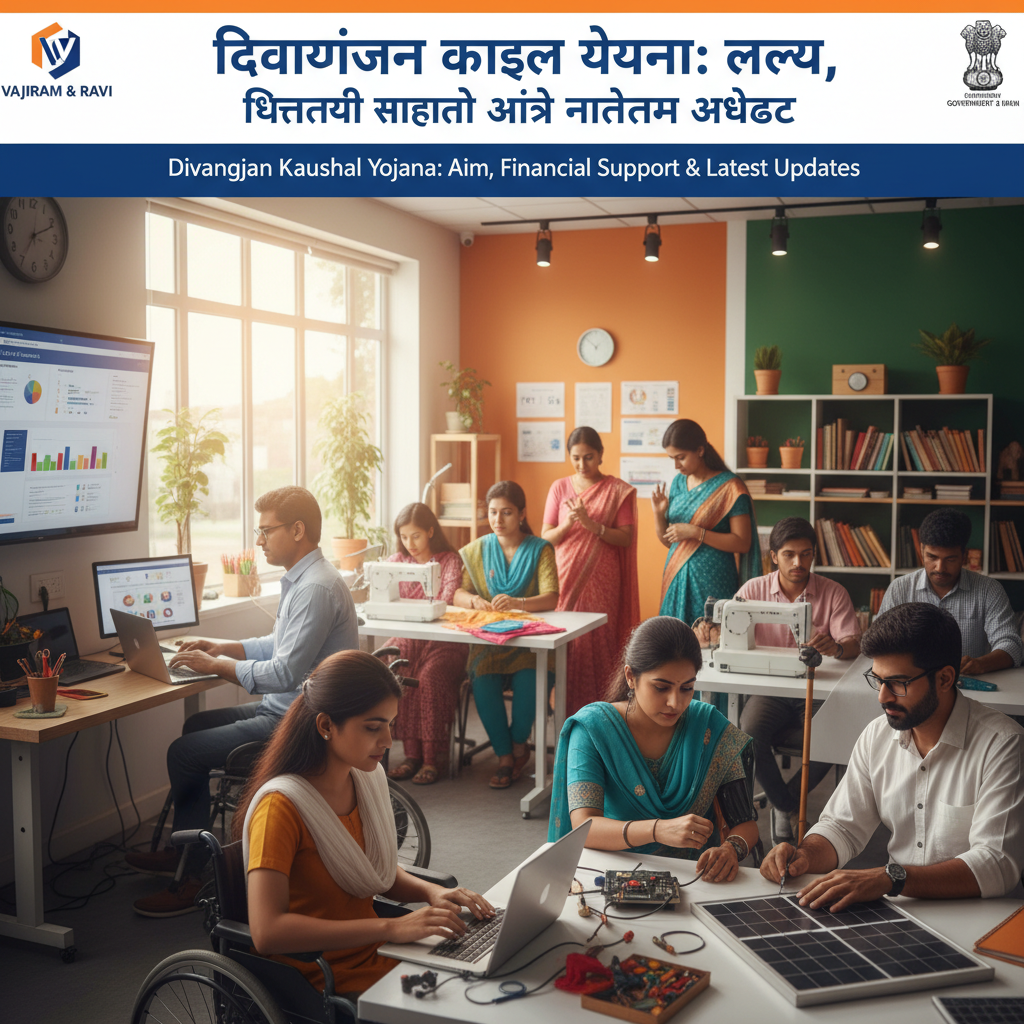
The primary aim of the Divyangjan Kaushal Yojana is to empower persons with disabilities (PwDs) by unlocking their hidden talents and converting them into sustainable livelihood opportunities. Launched under the broader umbrella of the Rights of Persons with Disabilities Act, 2016 and aligned with the national vision of Sarva Shiksha Abhiyan, the scheme adopts a holistic approach that goes beyond financial aid. It seeks to identify individual strengths, provide tailored skill‑development programmes, and facilitate access to micro‑enterprise funding. By doing so, the initiative strives to bridge the skill gap that has historically limited employment prospects for the disabled community, while fostering inclusive growth across urban and rural India.
Central to the scheme’s vision is the principle of “empowerment through capability”. Rather than a one‑size‑fits‑all model, the programme emphasizes personalized assessment, career counselling, and continuous mentorship. This ensures that each beneficiary receives training that is not only relevant to market demands but also aligned with their unique abilities and aspirations. The ultimate goal is to create a self‑reliant ecosystem where persons with disabilities can contribute meaningfully to the economy, reduce dependence on welfare, and achieve social integration.
Financial Support Structure and Eligibility Criteria
Under the Divyangjan Kaushal Yojana, the government has institutionalised a multi‑tiered financial assistance framework designed to remove economic barriers at every stage of skill acquisition and enterprise setup. Eligible beneficiaries can access three core components: 
- One‑time training grant: Up to INR 1,00,000 for certified courses approved by recognised training institutes.
- Monthly stipend: Provision of a modest stipend during the employment phase to support living expenses while the trainee gains on‑the‑job experience.
- Startup subsidy: Up to INR 10,00,000 for self‑employment ventures, covering capital expenditure, equipment purchase, and working capital.
In addition, the scheme reimburses the cost of assistive devices and adaptive equipment, ensuring that physical limitations do not impede participation. Funds are disbursed directly into the beneficiary’s bank account, and recipients must submit quarterly progress reports that detail training outcomes, employment status, or business performance. This monitoring mechanism is intended to verify continued eligibility and encourage accountability.
Eligibility is open to Indian citizens who possess a minimum 40% disability certification from a recognised medical board. Age requirements vary by programme but generally range from 18 to 65 years. Applicants must possess a valid disability certificate, educational qualifications relevant to the chosen course, and, for aspiring entrepreneurs, a viable project proposal. The application is submitted through the scheme’s dedicated online portal, where candidates upload required documents and select preferred training centres. After verification, a district‑level committee conducts an interview and skill‑assessment to finalize beneficiary status.
Recent Developments and Implementation Highlights
According to the latest Vajiram & Ravi report published in February 2026, the Divyangjan Kaushal Yojana has already enrolled more than 45,000 candidates across 200 training centres spanning 15 states. A pioneering pilot in Kerala demonstrated a 78% placement rate within six months of course completion, underscoring the scheme’s effectiveness in matching trained individuals with employable opportunities. Moreover, the Union Ministry has increased the fiscal allocation for FY 2025‑26 by 22%, reflecting a strong governmental commitment to scaling the programme nationwide.
Despite these encouraging figures, implementation disparities persist. Critics have pointed out slower rollout in the North‑East region, where logistical constraints have delayed enrolment and fund disbursement. In response, the Ministry has introduced a mobile banking solution and launched pilot mobile training units that travel to remote districts, aiming to accelerate access for underserved populations. The scheme’s progress is also tracked via a publicly available digital dashboard that provides real‑time data on enrolments, completions, and placement outcomes.
For those interested in deeper statistical insights, the government’s official Data Portal of India hosts comprehensive datasets on beneficiary demographics, Training Centre distribution, and fiscal utilisation, enabling researchers and civil society organisations to monitor impact transparently.
Impact, Case Studies and Future Roadmap
The tangible impact of the Divyangjan Kaushal Yojana is evident across both rural and urban landscapes. In the tribal belt of Jharkhand, the programme enabled 1,200 differently‑abled youth to launch agri‑based micro‑enterprises, stimulating local economies and reducing migration. Metropolitan hubs such as Delhi and Bengaluru have witnessed a surge in corporate hiring of PwDs, driven by placement partnerships with multinational firms under the scheme’s industry collaboration model.
Success stories abound. In Madhya Pradesh, Anil Kumar, a visually impaired entrepreneur, leveraged a startup subsidy of INR 5 lakh to establish a solar‑powered electronics repair business. Within a year, his venture generated a turnover of INR 12 lakh and created employment for three additional disabled workers. In Odisha, Sita Sahu, a hearing‑impaired woman, obtained digital‑marketing certification through the scheme, secured a full‑time position at a leading e‑commerce firm, and now earns a monthly salary of INR 45,000.
Looking ahead, experts recommend expanding digital infrastructure to incorporate remote learning modules, AI‑driven career guidance tools, and standardised curriculum benchmarks across all training centres. Increased funding for monitoring and evaluation will refine targeting mechanisms, ensuring that the most vulnerable segments receive adequate support. Integration with the national Skill India mission and the Pradhan Mantri Kaushal Vikas Yojana is viewed as a strategic move to align the scheme with broader workforce development goals.
Additional policy suggestions include the establishment of a dedicated grievance redressal grievance cell, expansion of the scheme’s scope to include emerging sectors such as green technology, and the creation of a mentorship network pairing experienced disabled professionals with new beneficiaries. These measures aim to sustain momentum, enhance inclusivity, and cement the Divyangjan Kaushal Yojana as a cornerstone of India’s social empowerment agenda.
Stay updated with the latest Yojana schemes and government initiatives for better awareness and eligibility. For personalized guidance on accessing these benefits, reach out to us.