




Delhi Launches Lakhpati Bitiya Yojana: Rs 1 Lakh for Girls from Birth to Graduation
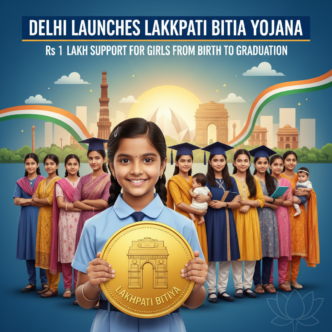
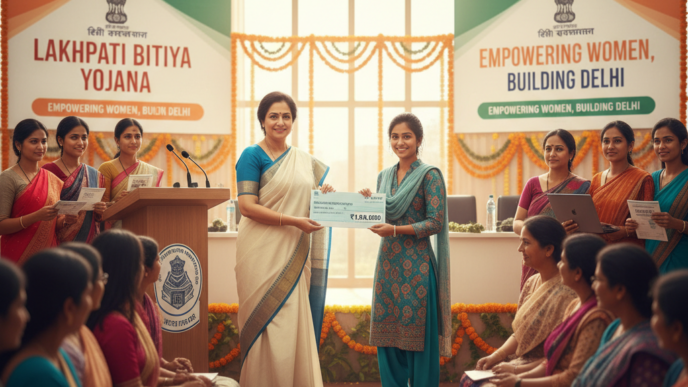
In a sweeping move aimed at bolstering female education, the Delhi government today unveiled the Lakhpati Bitiya Yojana, a welfare programme that promises a cash incentive of Rs 1 lakh to every girl child from the moment of her birth until she completes her graduation. The scheme, announced by Chief Minister Arvind Kejriwal at a press conference in the Secretariat, positions itself as one of the most generous Lakhpati Bitiya Yojana initiatives in the country, targeting economically disadvantaged families and seeking to arrest the dropout crisis among girls in the capital.
Under the Lakhpati Bitiya Yojana, the funds will be deposited in a dedicated, interest‑bearing account in the beneficiary’s name and released only when she obtains a graduate degree. The government hopes the financial safety net will encourage parents to view their daughters’ education as an investment rather than a burden, thereby accelerating enrollment rates in higher education institutions across Delhi.
Objective and Vision
The core objective of the Lakhpati Bitiya Yojana is to create a tangible incentive that aligns family aspirations with the state’s broader goal of gender‑equitable education. By earmarking the disbursement for the graduation milestone, the scheme ensures that the money is channeled into academic expenditures such as tuition fees, laboratory charges, and study material, rather than being diverted to unforeseen expenses. Officials from the Department of Women and Child Development argue that this targeted approach will significantly reduce the incidence of early school leaving among girls, especially in low‑income neighborhoods where financial constraints often force families to prioritize immediate labor over long‑term educational gains. 
Beyond the numerical value of the cash award, the vision behind the Lakhpati Bitiya Yojana is to foster a cultural shift that regards female education as a catalyst for socioeconomic development. The programme is designed to dovetail with existing Delhi policies on digital literacy, skill development, and women’s empowerment, forming a holistic ecosystem that not only provides monetary support but also promotes inclusive growth through higher literacy and professional competence among women.
Eligibility and Enrollment
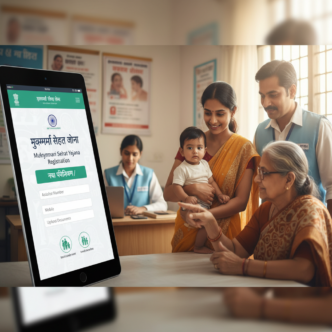
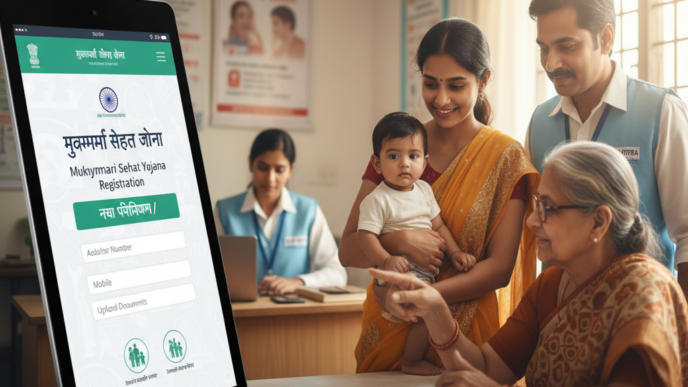
Eligibility for the Lakhpati Bitiya Yojana is straightforward: every girl born on or after the scheme’s launch date in the National Capital Territory is automatically considered a beneficiary. Families must furnish a birth certificate, proof of residency in Delhi, and a declaration that the child will pursue formal schooling. The application process is streamlined through an online portal where parents can register the newborn, upload required documents, and monitor the accruing balance in real time.
Importantly, the scheme is caste‑agnostic, creed‑agnostic, and income‑agnostic; it is deliberately universal to avoid creating exclusionary barriers. However, the government has stipulated that the funds will be held in a secure, low‑risk investment vehicle, typically government securities, to guarantee growth of the principal amount over the years until graduation. This financial safeguard aims to protect the investment against market volatility while ensuring that the eventual payout reflects the intended Lakhpati Bitiya Yojana value.
Funding Mechanism and Implementation Timeline
The fiscal underpinning of the Lakhpati Bitiya Yojana draws from the Delhi state welfare budget and supplementary contributions from the Delhi Development Fund. The Finance Department has earmarked an initial outlay of Rs 1,000 crore for the first two fiscal years, with subsequent allocations to be adjusted based on enrollment figures and financial performance. To manage risk, the allocated funds will be invested in AAA‑rated government bonds, ensuring a steady accrual of interest that compounds the original Rs 1 lakh over time.
Implementation will commence with a pilot phase that targets approximately 5,000 newborn girls across municipal hospitals in the first six months. The pilot will serve as a testing ground for the online registration portal, verification protocols, and disbursement mechanisms. By the end of the financial year, the government plans to expand coverage to all eligible girls born in Delhi, aiming to register over 30,000 beneficiaries. A dedicated dashboard on the portal will allow parents to view the account balance, interest earned, and initiate withdrawal requests once the graduation criterion is satisfied.
Stakeholder Reactions and Comparative Impact
Reactions to the Lakhpati Bitiya Yojana have been broadly positive across key stakeholder groups. Educationists have lauded the initiative as a pragmatic instrument for achieving the national agenda of universal secondary and higher education for girls, especially when aligned with the gender equity goals outlined by the Ministry of Education. Women’s rights organisations have described the scheme as a “symbolic gesture of empowerment,” while urging the government to complement it with comprehensive services such as healthcare, safety, and vocational training.
Parent‑Teacher Associations (PTAs) across Delhi’s schools have voiced optimism, noting that the assured Rs 1 lakh will alleviate the financial anxiety associated with college admissions. In comparative terms, the Lakhpati Bitiya Yojana surpasses similar cash‑incentive programmes in Rajasthan and Maharashtra, which typically offer modest scholarships of Rs 10,000–Rs 25,000. By tying the disbursement to graduation and providing a substantially larger sum, Delhi’s scheme is positioned as a benchmark for other metropolitan areas seeking to address gender‑based educational disparities.
Challenges, Monitoring, and Future Prospects
Despite its promise, the Lakhpati Bitiya Yojana faces several implementation challenges. Accurate record‑keeping of births, verification of residency, and防伪 (fraud prevention) mechanisms must be robust to avert fraudulent claims. The state government has announced plans to deploy biometric authentication and periodic audits by the Comptroller and Auditor General (CAG) to safeguard the integrity of the programme. Additionally, fiscal sustainability remains a concern; the large-scale financial liability could strain the exchequer if enrollment exceeds projections.
Looking ahead, the Delhi administration has hinted at extending the Lakhpati Bitiya Yojana to include support for vocational training, postgraduate studies, and emerging fields such as STEM and digital entrepreneurship. Such expansions could transform the scheme into a multi‑tiered empowerment framework that not only funds graduation but also facilitates career launchpad opportunities for young women. If successfully scaled, the Lakhpati Bitiya Yojana may become a replicable model for other Indian states and Union Territories striving to close the gender gap in education.
Stay updated with the latest Yojana schemes and government initiatives for better awareness and eligibility. For personalized guidance on accessing these benefits, reach out to us.