


Overview of Delhi LakhpatiBitiya Yojana
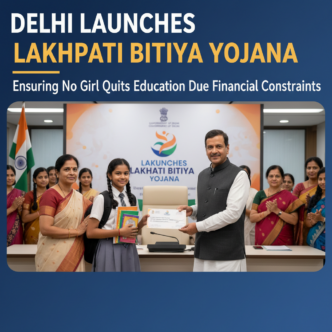
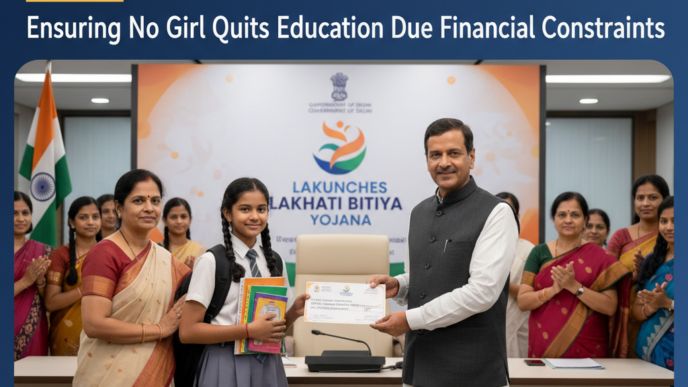
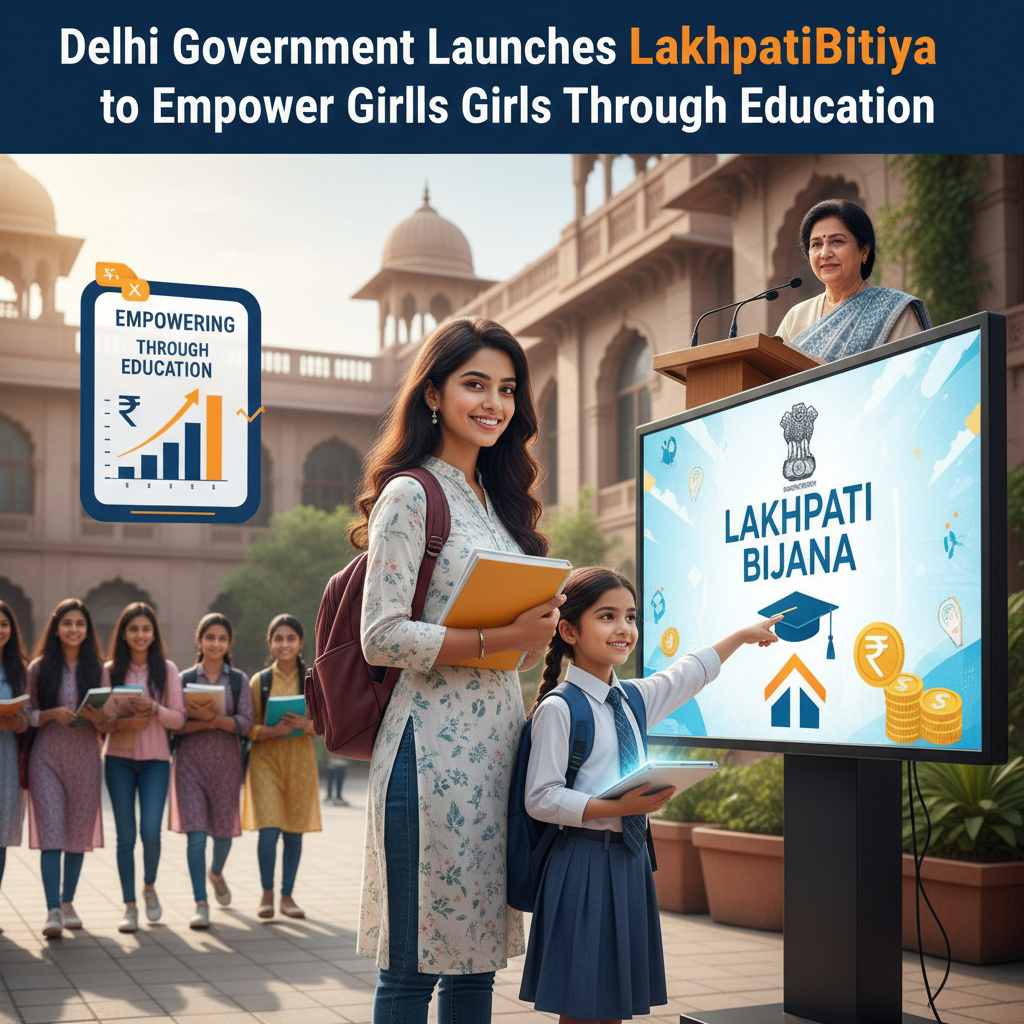
The Delhi government, under the leadership of Chief Minister Rekha Gupta, has rolled out the Delhi LakhpatiBitiya Yojana, a targeted scheme designed to uplift girl students from economically disadvantaged backgrounds through sustained educational support. The initiative aims to enable beneficiaries to achieve a monthly income of at least Rs 1 lakh by the time they complete their higher education and enter the workforce. Leveraging the existing School Enrollment Database and Aadhaar-linked records, the scheme promises direct cash transfers, reduced administrative lag, and greater transparency. Officials describe it as a “game‑changer” for gender equity, aligning with national missions such as Beti Bachao, Beti Padhao and the broader Sustainable Development Goals on quality education.
Key Objectives
The primary objectives of the LakhpatiBitiya Yojana are articulated in a clear, multi‑pronged framework:
- Boost enrollment of girls in secondary and tertiary institutions across the capital.
- Curtail dropout rates among female learners, especially in rural and peri‑urban pockets.
- Provide holistic financial assistance covering tuition fees, textbooks, uniforms, and a modest living stipend.
- Integrate skill‑development and entrepreneurship modules to enhance employability.
- Foster community participation by partnering with NGOs, private sector mentors, and alumni networks.
These goals are intended to create a virtuous cycle where educated women contribute to higher per‑capita incomes, improve health indicators, and strengthen civic participation in Delhi’s socioeconomic fabric. 
Eligibility Criteria
Eligibility is strictly defined to ensure that assistance reaches the most vulnerable:
- The applicant must be a resident of Delhi with a permanent address.
- Family annual income must be below the threshold set by the Delhi State Finance Department, currently pegged at Rs 12 lakh.
- The girl must secure admission in a recognized educational institution – ranging from government‑run schools to accredited universities and technical colleges.
- Maintain a minimum attendance record of 75 percent in her current academic year.
- Preference is given to students from Scheduled Castes, Scheduled Tribes, and other marginalized communities, in line with affirmative action policies.
Applicants are required to submit an income certificate, admission letter, and academic transcripts through an online portal that cross‑checks data with the Aadhaar database to prevent duplication.
Financial Support Details
The scheme adopts a tiered disbursement model, calibrated to the level of study:
- School‑level support: Up to Rs 50,000 per annum covering tuition, textbooks, and uniform expenses.
- College and university support: Up to Rs 1,00,000 per annum for tuition fees, laboratory charges, and academic supplies.
- Technical and vocational courses: Additional stipends of up to Rs 25,000 to offset costs of equipment, apprenticeship fees, and certification exams.
Payments are transferred directly to the beneficiary’s bank account via the Digital India Payment Platform, a move aimed at curbing leakages and ensuring that funds reach the intended recipient without intermediaries. The scheme also provides a modest monthly living allowance of Rs 2,000 to help cover food and transport, thereby reducing the financial burden on families.
Implementation Mechanism
Implementation is a collaborative effort between the Department of Women and Child Development and the Delhi Education Authority. The workflow comprises the following steps:
- Candidate identification: Data analytics on the School Enrollment Database pinpoint girls who meet income and residency criteria.
- Document verification: Income certificates, admission letters, and attendance records are cross‑validated through an online verification module.
- Bank linkage: Eligible beneficiaries are onboarded onto a dedicated banking channel that facilitates seamless fund transfer.
- Quarterly monitoring: A supervisory committee conducts audits and publishes progress dashboards to ensure accountability.
In addition, a dedicated helpline (toll‑free 1800‑123‑4567) assists applicants with grievances, while a real‑time tracking portal allows stakeholders to monitor disbursement status and academic progress.
Expected Impact
Preliminary impact assessments predict significant gains for Delhi’s socio‑economic indicators:
- The scheme is projected to benefit over 50,000 girl students in the first three years, representing roughly 3 % of the state’s eligible female student population.
- Officials anticipate a 5 percent rise in female literacy rates across Delhi by 2027.
- Women’s enrollment in higher education is expected to climb from the current 45 percent to 55 percent within five years.
- By fostering entrepreneurship among graduates, the program aims to generate approximately 12,000 new jobs annually, contributing to the state’s GDP growth.
Beyond quantitative metrics, the scheme aspires to reshape social attitudes toward girl education, encourage parental support, and cultivate a generation of financially independent women leaders.
Challenges and Government Response
Despite its ambitious design, the LakhpatiBitiya Yojana faces logistical hurdles:
- Accurate identification of low‑income families can be impeded by outdated land‑record data and informal employment.
- Timely fund disbursement may be affected by banking infrastructure gaps in peripheral districts.
To mitigate these issues, the government plans to:
- Integrate the scheme with the Aadhaar‑linked beneficiary database for real‑time validation.
- Deploy a dedicated grievance redressal helpline staffed by trained social workers.
- Commission independent third‑party audits annually to ensure transparency and build public trust.
These measures are intended to strengthen the implementation framework and safeguard the scheme’s credibility.
Community Involvement
Successful rollout hinges on extensive community participation. The Delhi government has signed memoranda of understanding with several key partners:
- NGOs and civil society organisations such as Save the Children India and Pratham Education Foundation, which will provide mentorship, tutoring, and scholarship supplements.
- Corporate social responsibility (CSR) initiatives from leading tech firms, offering internship pipelines and skill‑development workshops.
- Alumni networks of women who have previously benefited from state scholarships, serving as role‑models and career guides.
Public awareness campaigns will be disseminated through radio jingles, social media outreach, and school assemblies to ensure that eligible families are well‑informed about application procedures and timelines.
Conclusion
In summation, the Delhi LakhpatiBitiya Yojana stands as a landmark policy that intertwines educational empowerment with economic upliftment for girls in the capital. By offering targeted financial aid, integrating skill‑development components, and employing transparent digital disbursement, the scheme seeks to break intergenerational cycles of poverty and gender disparity. Continued monitoring, stakeholder feedback, and adaptive governance will be essential to refine its mechanisms and amplify its reach. As Delhi charts a course toward a more inclusive and prosperous future, the LakhpatiBitiya Yojana exemplifies how strategic investment in human capital can yield transformative societal benefits.
Stay updated with the latest Yojana schemes and government initiatives for better awareness and eligibility. For personalized guidance on accessing these benefits, reach out to us.