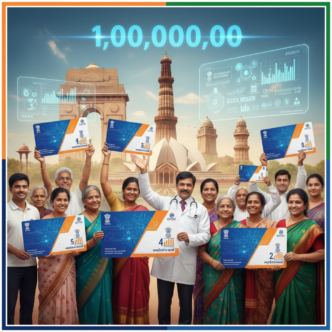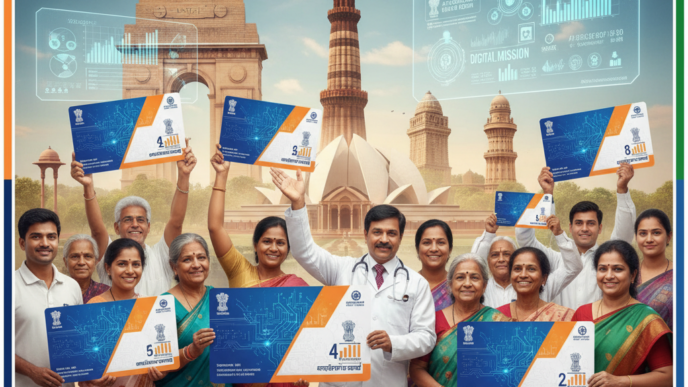



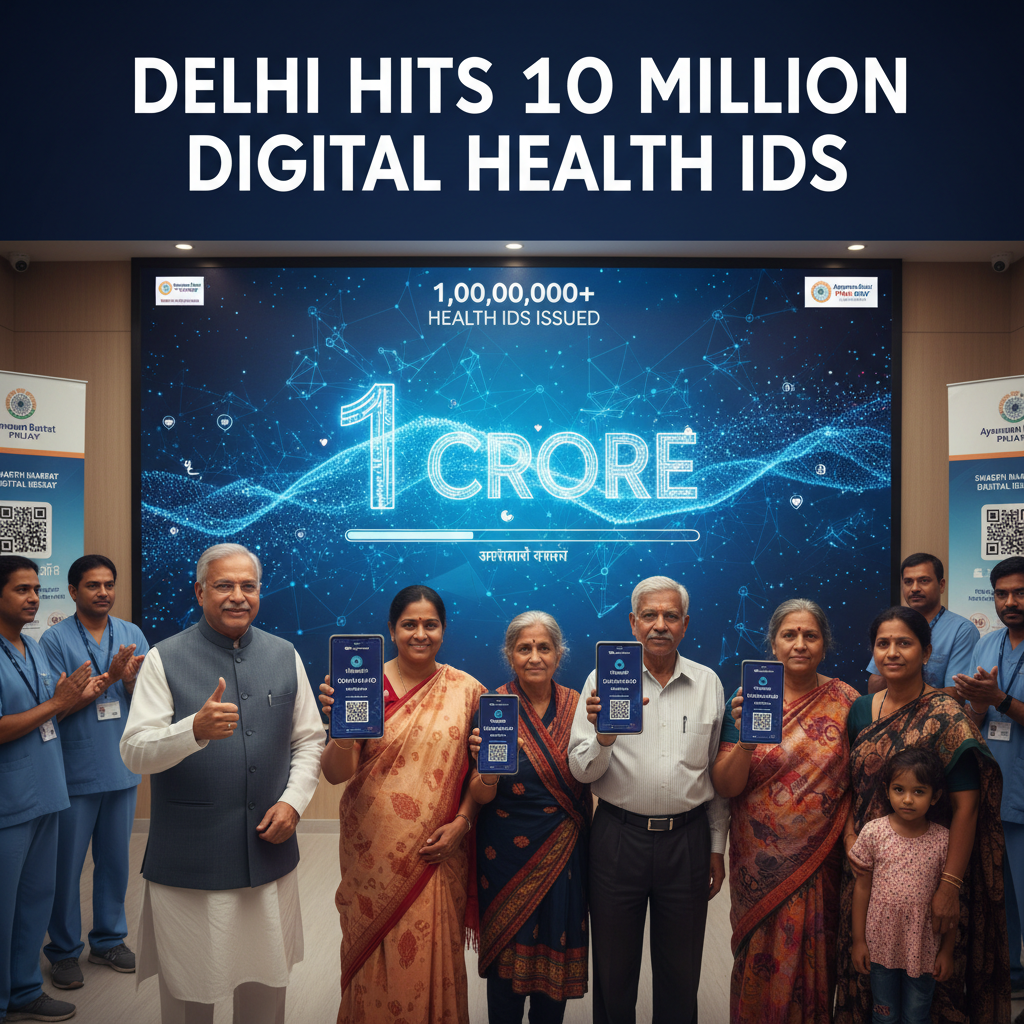
Milestone: 10 Million Digital Health IDs Issued in Delhi
Delhi has crossed the one‑crore mark in the issuance of Ayushman Bharat digital health IDs, a milestone officially recorded on February 28, 2026 by the Delhi State Health Department. The achievement places the capital among the first Indian metros to enroll ten million citizens into the national health protection framework’s unique health identifier system. According to the department’s press release, the IDs were generated through a combination of on‑site biometric enrolment drives and online registration via the Ayushman Bharat portal, ensuring that both urban and rural residents could obtain their identifiers with minimal hassle. Ayushman Bharat was launched in 2018 to provide health insurance cover to over 500 million beneficiaries, and the digital health ID is a key auxiliary component that links each eligible person to a secure, cloud‑based health record. The milestone reflects not only the effectiveness of Delhi’s digital infrastructure but also sets a benchmark for other states aiming to scale up universal health coverage through technology.
Background of Ayushman Bharat
The Ayushman Bharat Pradhan Mantri Jan Arogya Yojana (PMJAY) was introduced by the Government of India in 2018 as the world’s largest publicly funded health insurance scheme, targeting families living below the poverty line and those in the informal sector. While its primary objective is to cover inpatient care up to ₹5 lakh per family per year, the scheme also embeds a Digital Health ID for each eligible beneficiary. This ID serves as a unique 14‑digit alphanumeric code that consolidates a citizen’s demographic data, contact details, and a link to their electronic health records stored on a protected server. In Delhi, the integration of this ID with the state’s health services has accelerated enrolment, allowing faster verification of eligibility and seamless transfer of medical information across public hospitals and empaneled private providers.
Digital Health ID Initiative
A Digital Health ID is designed to be a portable, interoperable gateway to a citizen’s health ecosystem. When an applicant registers on the Ayushman Bharat portal or through the official mobile application, the system captures biometric data—such as fingerprint and iris scans—along with basic personal information, and then generates a 14‑digit identifier. This identifier can be shared with any participating health provider, granting clinicians instant access to the patient’s complete medical history, including previous diagnoses, lab results, vaccination status, and prescribed medications. The initiative aims to reduce duplication of tests, prevent medication errors, and empower individuals to actively manage their health by viewing their records anytime, anywhere. For citizens, the ID translates into quicker claim approvals, better coordination of care, and a more personalized approach to preventive health services. 
Process of Issuance Across the Capital
To achieve the one‑crore target, the Delhi health department executed a multi‑phase rollout that blended physical outreach with digital campaigns. Over 150 temporary enrolment booths were established in community centres, schools, and corporate campuses, where trained staff used handheld biometric devices to create IDs on the spot. Simultaneously, the department partnered with major telecom operators to disseminate SMS alerts and targeted social‑media advertisements, urging residents to register through the official mobile app. Public distribution networks, including ration depots and Anganwadi centres, were leveraged to reach remote neighborhoods, ensuring that distance or cost did not become a barrier. The streamlined process not only accelerated registration but also built public confidence by demonstrating that the government could deliver a high‑tech service through grassroots-level engagement.
Impact on Citizens and Public Health
The issuance of ten million Ayushman Bharat digital health IDs has already begun reshaping how Delhi’s residents interact with the health system. Beneficiaries now receive instant access to their health profiles, which expedites the approval of insurance claims under the PMJAY component and reduces waiting times for treatment. The digital trail also supports preventive health drives by flagging overdue vaccinations, missed screenings, and chronic disease management milestones, encouraging proactive health‑seeking behaviour. Early adopters have reported higher utilisation of tele‑medicine services, as doctors can instantly review past treatments and offer tailored lifestyle recommendations. Moreover, the IDs enable smoother referrals between public hospitals, private empaneled facilities, and even mobile health units, fostering a more integrated network of care across the capital.
Challenges and Mitigation Strategies
Despite the impressive progress, several challenges remain. Data‑privacy concerns have been raised by civil‑society groups, who worry about the safety of sensitive health information stored on cloud platforms. In response, the Delhi health authority has implemented end‑to‑end encryption, role‑based access controls, and regular third‑party security audits to safeguard patient records. Another hurdle is public awareness; surveys indicate that a segment of the population—particularly in low‑literacy communities—remains sceptical about digital enrolment. To address this, the department has launched a series of community‑based education campaigns, collaborating with local NGOs and religious institutions to explain the benefits and privacy safeguards of the Digital Health ID in simple terms. Continuous monitoring and feedback loops are being established to fine‑tune these outreach efforts and ensure that no citizen is left behind.
Future Outlook and Integration Plans
Looking ahead, Delhi plans to deepen the integration of Ayushman Bharat digital health IDs with emerging technologies such as artificial intelligence (AI) and blockchain. AI‑driven analytics could examine aggregated health data to identify disease patterns, predict outbreaks, and recommend targeted public‑health interventions. Blockchain technology may provide immutable audit trails for consent management, giving citizens greater control over who accesses their records. Additionally, the government is exploring linkages between the health ID and other flagship schemes—such as the Pradhan Mantri Awas Yojana for affordable housing and the Mahatma Gandhi National Rural Employment Guarantee Act—creating a holistic digital ecosystem where citizens can access multiple benefits through a single verified identifier. If these ambitions are realised, Delhi could serve as a model for a nationwide digital health identity architecture that harmonises health, welfare, and development objectives across India.
Stay updated with the latest Yojana schemes and government initiatives for better awareness and eligibility. For personalized guidance on accessing these benefits, reach out to us.