


Introduction
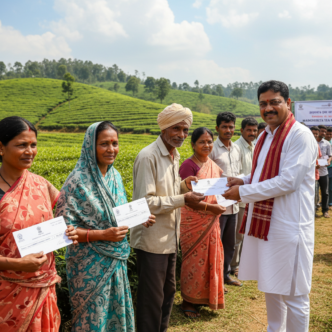
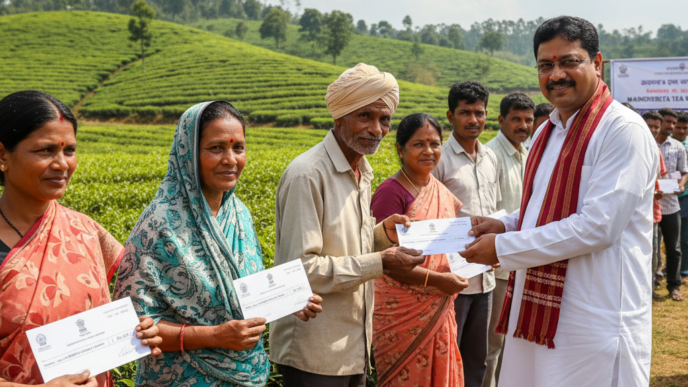
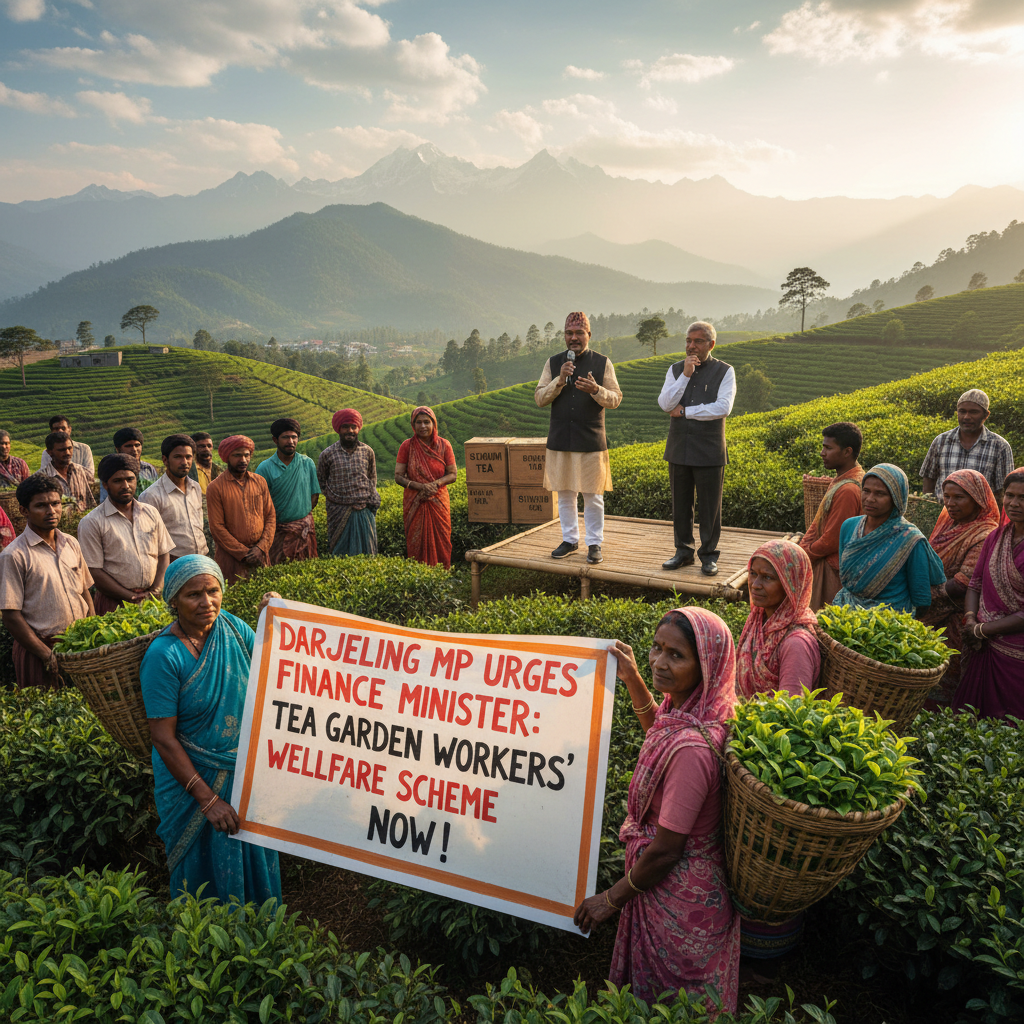
The Member of Parliament from Darjeeling has intensified calls for a dedicated tea garden workers welfare scheme targeting the labor force that sustains Sikkim’s tea estates. In a recent parliamentary intervention, the MP urged the Union Finance Minister to earmark resources for a comprehensive program that addresses health, education, and financial security for tea garden workers. This appeal underscores a growing recognition that despite decades of contribution to the state’s export earnings, the welfare infrastructure for plantation labor remains fragmented. By positioning the request within the broader agenda of inclusive growth, the MP seeks to catalyze a shift from ad‑hoc subsidies to a systematic safety net. The move has sparked debate among policymakers, labor unions, and civil society, who view it as a chance to finally translate rhetorical commitments into tangible benefits for a workforce that is both culturally iconic and economically vulnerable.
Economic Context of Sikkim’s Tea Sector
Sikkim’s tea production, though modest compared to Assam and West Bengal, plays an outsized role in the state’s agrarian economy. In the fiscal year 2023‑24, the state reported approximately 4,500 metric tonnes of certified orthodox tea, generating export revenues of over INR 350 crore and supporting an estimated 15,000 workers across smallholder plots and estate plantations. The high‑altitude terroir and organic certification enable producers to command premium prices in niche markets, particularly in Europe and Japan. However, the sector faces chronic challenges: limited mechanisation, seasonal labour scarcity, climate‑induced yield variability, and inadequate infrastructure for processing and marketing. These pressures disproportionately affect the plantation workforce, many of whom lack access to formal health insurance, pension schemes, or guaranteed minimum wages. Consequently, the socio‑economic profile of tea garden families often reflects precarious livelihoods despite their pivotal role in sustaining the state’s export portfolio.
Proposed Welfare Scheme Overview
The tea garden workers welfare scheme envisages a multi‑pronged intervention designed to uplift plantation laborers in Sikkim. At its core, the program proposes direct cash transfers to families identified as living below the poverty line, thereby providing immediate income support during lean seasons. Complementing this, the scheme includes subsidised health insurance coverage that would enable workers to access routine medical care and emergency services without catastrophic out‑of‑pocket expenses. A dedicated pension fund, administered by the Ministry of Finance, would ensure a steady income for retirees who have spent decades on the estates. Additional components include skill‑development workshops aimed at diversifying livelihood options, scholarship provisions for the children of workers to pursue higher education, and a mechanism for periodic adjustments to the minimum wage indexed to inflation. These elements collectively aim to construct a robust safety net that not only mitigates present hardships but also fosters long‑term socio‑economic empowerment. 
- Direct cash transfers for families below the poverty line
- Subsidised health insurance coverage for workers and dependents
- Pension fund administered by the Finance Ministry
- Skill development programmes to diversify income sources
- Scholarships for children of tea garden labourers
- Minimum wage adjustments linked to inflation indices
Financial, Policy and Implementation Details
Funding the proposed initiative will require a calibrated allocation from the central pool of welfare expenditure, with the Finance Ministry earmarking a provisional budget of approximately INR 1,200 crore over the next three years. This estimate incorporates projected cash‑transfer outlays, health‑insurance premium subsidies, and pension disbursements, while also accounting for ancillary costs such as administrative oversight and monitoring mechanisms. The Finance Ministry has indicated that the scheme could be financed through a combination of re‑allocation of existing welfare funds and incremental revenue from a modest increase in tea export duties, which would be earmarked exclusively for worker welfare. From a policy standpoint, the programme aligns seamlessly with the National Action Plan on Social Protection and the Sustainable Development Goals, particularly Goal 1 (No Poverty) and Goal 8 (Decent Work and Economic Growth). By integrating the Sikkim‑specific welfare package within the broader framework of central schemes such as the Pradhan Mantri Jan Dhan Yojana and the Atal Innovation Mission, the initiative exemplifies cooperative federalism and encourages knowledge‑sharing with successful pilot projects in Assam and other tea‑producing regions.
Expert Insights and International Benchmarks Labour economists and development specialists have praised the MP’s proactive stance, noting that evidence‑based welfare interventions can reduce worker turnover, improve productivity, and generate a positive return on investment for both employers and the state. A recent study by the Indian Institute of Management Ahmedabad highlighted that targeted cash transfers can increase household consumption by up to 18 % and lower poverty incidence among plantation families. International benchmarks, such as the Sri Lankan tea plantation welfare model, demonstrate that paid maternity leave, health‑safety standards, and pension schemes can significantly enhance worker well‑being and operational stability. To translate these insights into practice, the MP has proposed the formation of a joint oversight committee comprising representatives from the Finance Ministry, the Sikkim State Government, and registered trade unions. This committee would be responsible for beneficiary identification, fund‑disbursement monitoring, and periodic performance audits, ensuring that the scheme remains responsive to ground realities.
Implementation Challenges and Mitigation Measures Key challenges include accurate identification of eligible beneficiaries, timely fund disbursement, and robust monitoring of benefit utilisation. To mitigate these risks, the oversight committee will employ a transparent digital payment gateway, integrate beneficiary data with the Aadhaar ecosystem for precise targeting, and deploy an online dashboard for real‑time fund‑utilisation tracking. Quarterly community consultations will be conducted to gather feedback and adjust programme components as needed. These measures aim to enhance accountability, reduce leakages, and ensure that the welfare benefits reach the intended recipients without delay.
Conclusion and Way Forward
In summary, the Darjeeling MP’s appeal to the Union Finance Minister represents a watershed moment in the struggle to secure dignified livelihoods for tea garden workers in Sikkim. By coupling fiscal backing with a holistic welfare design, the proposed scheme promises to transform the socio‑economic landscape of plantation communities, reducing poverty, improving health outcomes, and fostering intergenerational opportunity. Realising this vision will require concerted collaboration among central and state authorities, financial institutions, and local stakeholders, each playing a distinct yet interdependent role. Continuous dialogue with worker unions, regular evaluation of programme outcomes, and adaptive policy tweaking will be essential to ensure that the initiative remains effective and equitable. If implemented with transparency and commitment, the tea garden workers welfare scheme could serve as a replicable model for other tea‑producing regions across India, heralding a new era of socially responsible tea production.
Stay updated with the latest Yojana schemes and government initiatives for better awareness and eligibility. For personalized guidance on accessing these benefits, reach out to us.