


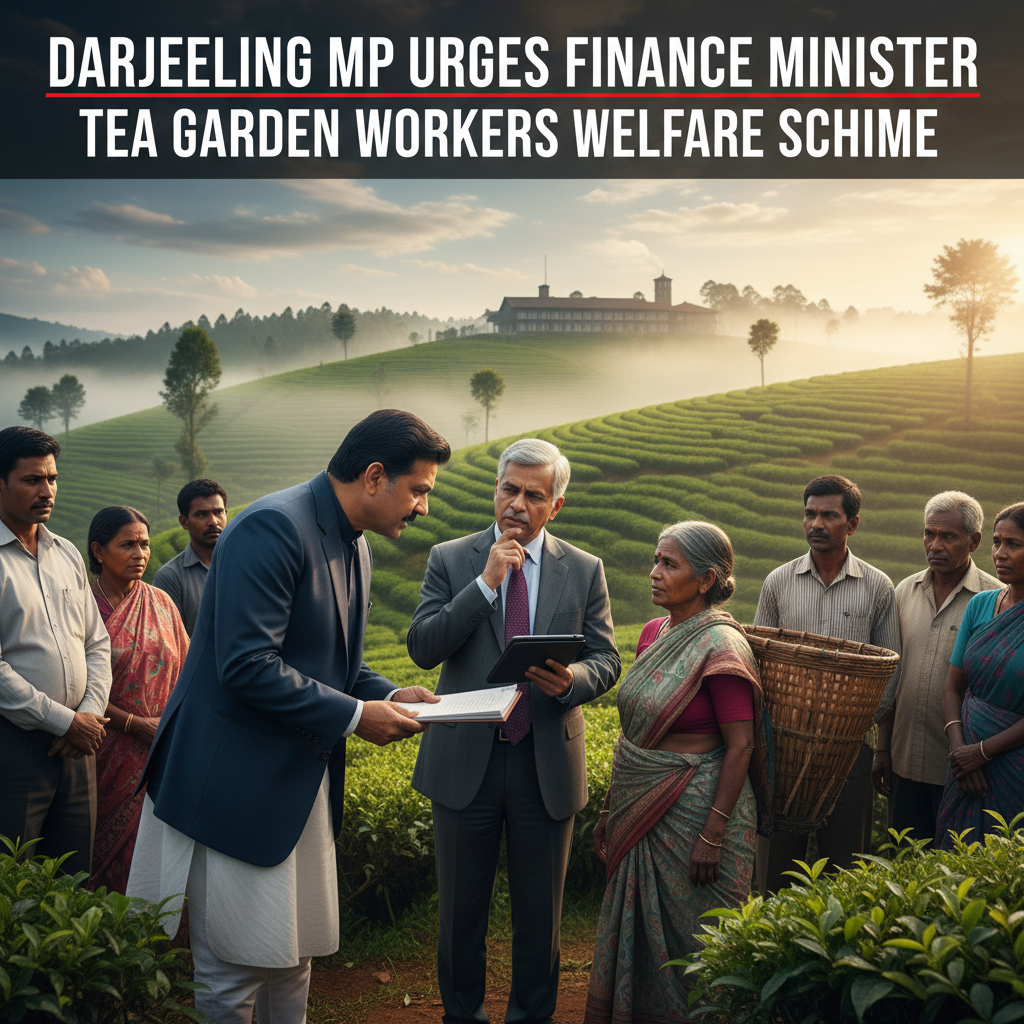
Darjeeling MP Calls on Finance Minister to Fund Tea Garden Welfare Scheme
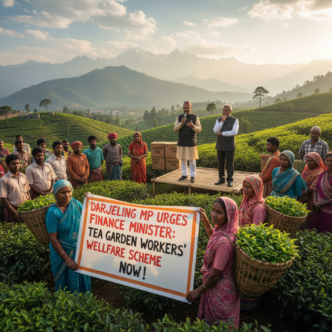
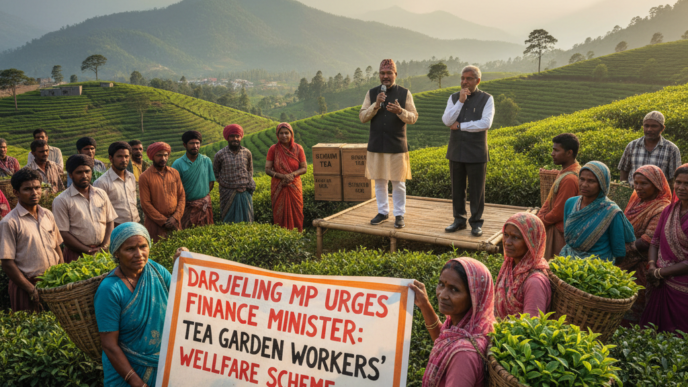
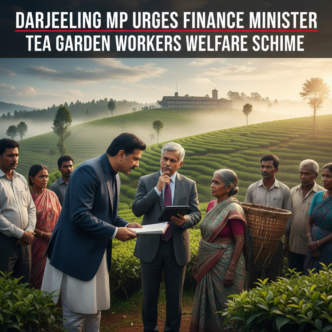
The Member of Parliament from Darjeeling has formally urged the Union Finance Minister to earmark dedicated resources for a comprehensive tea garden welfare scheme aimed at improving the living conditions of plantation laborers. The appeal, made in a memorandum submitted last week, emphasizes that sustainable tea production is inseparable from the socio‑economic upliftment of the workforce that nurtures the crop. By seeking central fiscal backing, the MP hopes to close the gap between the sector’s export earnings and the persistent hardships faced by the men, women, and children who work on the estates.
Challenges Facing Tea Garden Workers
Tea estates in the Darjeeling hills contribute over £ 1.2 billion to India’s export portfolio each year, yet the laborers who tend the bushes often endure inadequate wages, limited health coverage, and scarce educational opportunities for their families. According to a 2023 report by the Ministry of Labour, approximately 38 percent of plantation workers earn less than the statutory minimum wage, and only 22 percent have access to formal health insurance. Children of estate workers are disproportionately likely to drop out of school, with dropout rates hovering around 15 percent in the region. Moreover, many estates still rely on diesel generators for electricity, leading to high operational costs and environmental concerns.
These challenges are compounded by geographic isolation; the rugged terrain of Darjeeling makes the delivery of services and monitoring of benefits logistically complex. Seasonal fluctuations in tea prices further exacerbate income instability, leaving families vulnerable during off‑peak periods. The MP’s memorandum underscores that without targeted intervention, the welfare deficit will continue to undermine both worker well‑being and the long‑term viability of the tea sector. 
Key Components of the Proposed Welfare Scheme
The memorandum outlines a multi‑pronged approach that would be administered through a newly created welfare fund. The primary pillars include:
- Cash Transfers: Direct monetary assistance of INR 2,000 per month to each registered worker, aimed at supplementing wages during lean seasons.
- Healthcare Benefits: Subsidized medical coverage for workers and their dependents, including routine check‑ups, maternal care, and treatment for occupational hazards.
- Education Support: Scholarships for children of laborers to pursue secondary and higher education, coupled with provision of school supplies.
- Skill Development: Training programs in modern agronomy, processing, and value‑addition to enhance employability within and beyond the tea industry.
- Renewable Energy Initiatives: Installation of solar micro‑grids on select estates to reduce dependence on diesel generators and lower carbon emissions.
Eligibility would be determined through a transparent registration process managed by local panchayats in collaboration with the Tea Board of India. Beneficiaries must possess a valid employment contract with a registered tea estate and meet income criteria verified by estate management.
Political and Institutional Responses
Political parties across the spectrum have expressed conditional support for the initiative, emphasizing the need for clear implementation frameworks and safeguards against fund diversion. The opposition has called for a parliamentary committee to oversee the scheme’s rollout, while the ruling coalition has pledged to align the proposal with the broader “Make in India” agenda for agricultural sustainability.
Key ministries are expected to collaborate closely. The Ministry of Finance would allocate the fiscal resources, the Ministry of Labour would ensure compliance with labor standards, and the Tea Board would provide technical expertise on plantation management. An MoU is reportedly in the final stages, outlining data‑sharing protocols and joint monitoring mechanisms. Stakeholders have also stressed the importance of gender‑sensitive policies, urging that maternity benefits, safe working conditions, and women’s empowerment programs be integrated into the scheme’s design.
Funding, Implementation and Future Outlook
Financial estimates suggest that an investment of roughly INR 150 crore over the next three fiscal years would be sufficient to launch the scheme at scale. This budget would be sourced from the central government’s agriculture and rural development allocations, supplemented by state‑level co‑funding. A digital platform is being developed to streamline disbursement, enable real‑time tracking of payments, and conduct beneficiary verification through biometric authentication. This system aims to reduce administrative delays and enhance transparency.
Capacity‑building workshops are scheduled for block-level officers to familiarize them with the scheme’s operational guidelines and data‑management tools. Pilot projects will be launched in three high‑density tea estates later this year, with performance metrics such as wage uplift, health outcomes, and school enrolment rates serving as key evaluation criteria. If successful, the model could be replicated in other tea‑producing regions such as Assam and Nilgiris, creating a national framework for plantation labor welfare.
Overall, the Darjeeling MP’s appeal represents a pivotal moment in the discourse on sustainable agriculture and social justice. By tying fiscal support to concrete welfare outcomes, the initiative seeks to align economic incentives with the empowerment of tea garden workers, fostering a resilient and equitable supply chain.
Stay updated with the latest Yojana schemes and government initiatives for better awareness and eligibility. For personalized guidance on accessing these benefits, reach out to us.