


CM Announces Mukhyamantri Kaushal Vikas Yojana to Upskill Khadi and Handloom Artisans
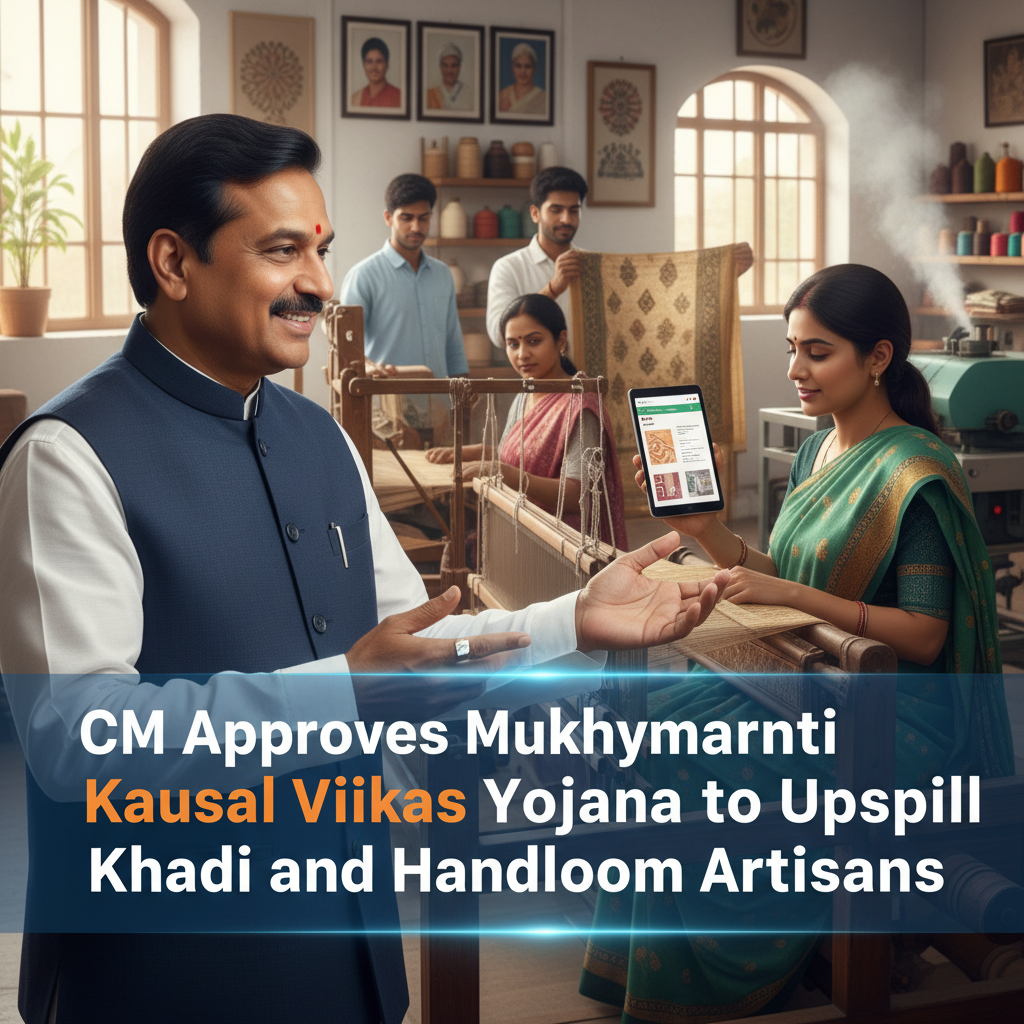
The Chief Minister of the state unveiled the Mukhyamantri Kaushal Vikas Yojana (MKVY) on Tuesday, committing Rs 200 crore over the next three years to revitalise the traditional khadi and handloom sectors. The initiative targets over 15,000 artisans across rural clusters, offering specialised training, direct financial incentives, and a dedicated online marketplace to connect producers with national and global buyers. By integrating modern technology with age‑old crafts, the scheme seeks to increase artisans’ monthly earnings by at least 30 percent, curb rural migration, and preserve cultural heritage linked to India’s freedom movement.
Objective of the Yojana
The primary aim of the Mukhyamantri Kaushal Vikas Yojana is to bridge the skill gap that has persisted among handloom weavers and khadi spinners through targeted capacity‑building programmes. Training modules will focus on design innovation, digital marketing, quality control, and sustainable production practices, enabling artisans to command premium prices for their work. Officials say the policy is designed to create a sustainable livelihood ecosystem that not only boosts income but also reinforces the socio‑economic resilience of weaving communities.
Key Features
MKVY comprises four interlocking pillars: 
- Training Programs: Short‑term workshops covering advanced weaving techniques, eco‑friendly dyeing processes, and entrepreneurial skills, delivered through mobile training units and partner textile institutes.
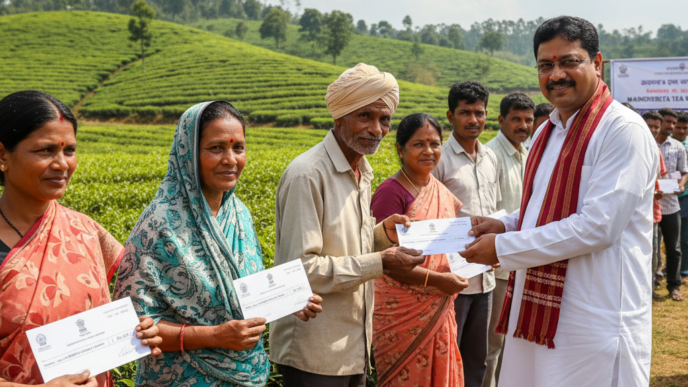
- Financial Assistance: Direct cash grants for the purchase of modern looms, renewable raw material kits, and certification fees, sourced from the Rural Development Fund.
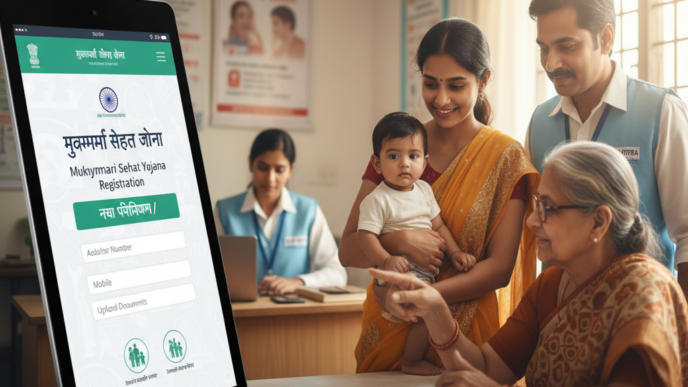
- Market Linkage: A state‑run online portal – MKVY Marketplace – that showcases certified products, facilitates bulk orders, and provides logistics support for shipping to domestic and export markets.
- Cluster Development: Support for forming artisan clusters to share resources, negotiate collective bargaining, and streamline supply chains, backed by a revolving fund for raw material procurement.
Implementation Roadmap
The rollout is structured in three sequential phases. In Phase 1, a comprehensive mapping of artisan communities will be undertaken using GIS‑based surveys to identify skill gaps and regional demand. Phase 2 launches pilot training cohorts in six high‑potential districts, overseen by a dedicated task force within the State Handloom Department, with real‑time monitoring through a mobile‑app reporting system. Phase 3 scales successful pilots statewide, incorporating feedback loops to refine curriculum, expand financial incentives, and integrate the scheme with the national Skill India mission.
Expected Impact
Industry analysts project that MKVY will directly uplift more than 15,000 artisans, reducing rural‑to‑urban migration by an estimated 12 percent over the next five years. Indirect benefits include job creation for auxiliary workers in dyeing, packaging, and logistics, as well as a surge in eco‑tourism centered on heritage handloom villages. The scheme is also expected to generate an additional Rs 1,200 crore in rural income, reinforcing the state’s rural development agenda.
Stakeholder Engagement
Effective implementation hinges on multi‑ stakeholder collaboration. The State Handloom Department will lead curriculum design, while non‑governmental organisations will manage grassroots outreach and monitoring. Academic partners such as the Indian Institute of Technology Delhi’s Centre for Textile Research will provide technical expertise, and private sector players – including boutique retailers and e‑commerce platforms – are being invited to co‑fund skill‑development modules and mentor emerging designers.
Challenges and Mitigation Strategies
Key challenges identified include limited connectivity in remote hamlets, irregular market demand, and the need for sustained technical support post‑training. To address these, the scheme proposes:
- Mobile training units equipped with portable looms and demonstration kits to reach isolated pockets.
- Insurance coverage for artisans against equipment damage or seasonal production downturns.
- A revolving raw‑material fund that guarantees timely supply of eco‑friendly fibres, thereby stabilising production cycles.
Historical Context
Khadi and handloom have symbolised self‑reliance since the Indian independence movement, with leaders like Mahatma Gandhi championing swadeshi textiles as a means of economic empowerment. Over the past three decades, however, younger generations have increasingly drifted toward urban white‑collar jobs, leading to a steady decline in artisan numbers. MKVY revives this legacy by embedding contemporary skill sets within a centuries‑old craft, aiming to rekindle pride and economic viability among the youth.
Funding Mechanism
The state has earmarked Rs 200 crore from the Rural Development Fund for the inaugural three‑year period, with the possibility of additional allocations from central schemes such as the Pradhan Mantri Gram Sadak Yojana and private‑public partnerships. This blended financing model is intended to ensure fiscal resilience and attract supplementary investment from corporate social responsibility initiatives.
Success Stories
Early pilots in District X have already demonstrated tangible results. A cohort of 500 artisans completed a six‑week design‑innovation programme, resulting in a 30 percent rise in average monthly earnings and the launch of an eco‑friendly fabric line that secured orders from metropolitan boutique chains. One participant, 28‑year‑old Ramesh Kumar, reported a 45 percent increase in income after obtaining certification in digital marketing and launching his products on the MKVY marketplace.
Policy Outlook
Looking ahead, the administration plans to align MKVY with the national Skill India framework, ensuring that training standards meet the benchmarks of the National Council for Vocational Training. Export‑oriented initiatives are also in the pipeline, with targeted outreach to European and North‑American markets for premium handloom textiles. Continuous monitoring, data‑driven feedback, and adaptive learning will be central to achieving the long‑term vision of a thriving, globally competitive handloom ecosystem.
Stay updated with the latest Yojana schemes and government initiatives for better awareness and eligibility. For personalized guidance on accessing these benefits, reach out to us.