


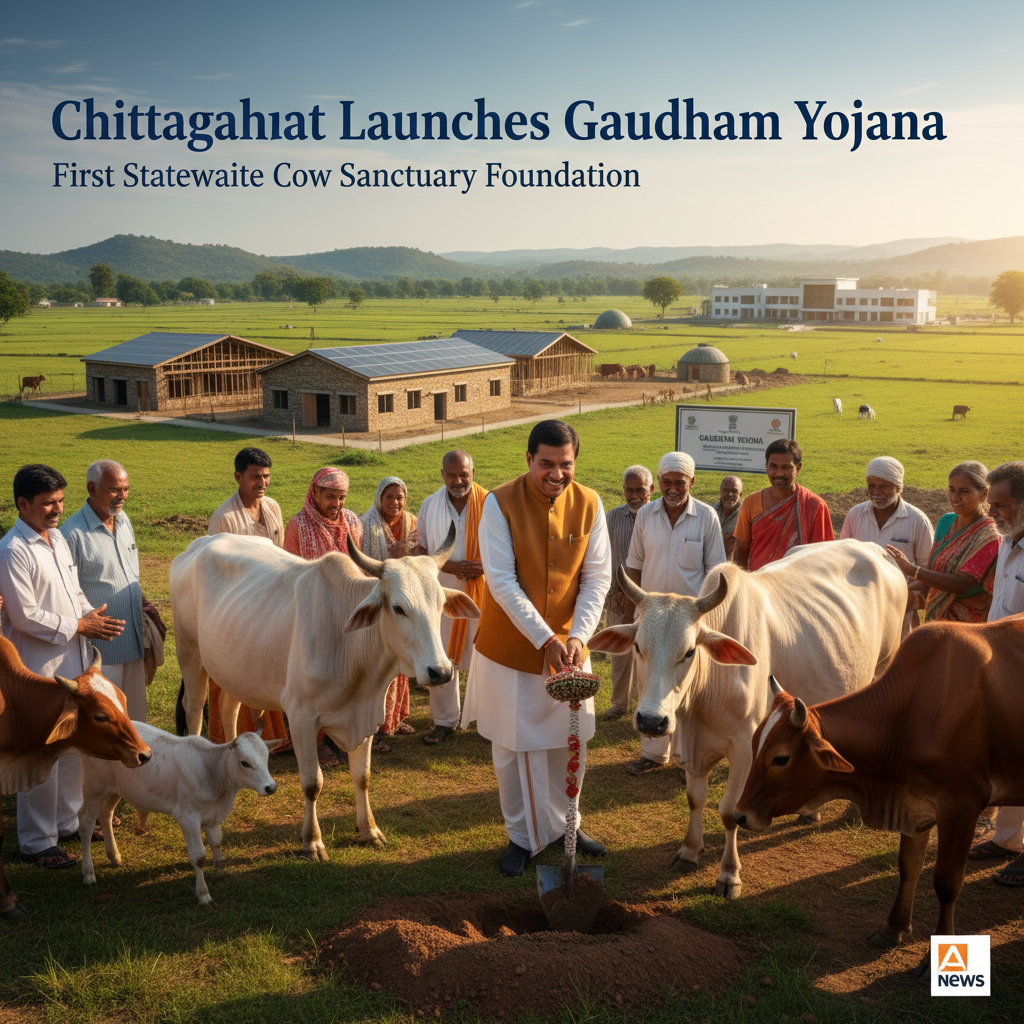
Chhattisgarh Launches Gaudham Yojana: First Statewide Cow Sanctuary Foundation
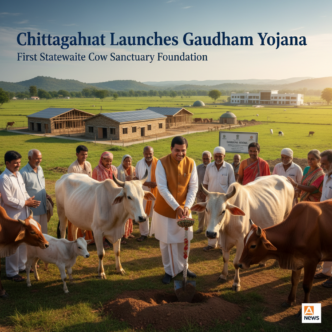
The Chhattisgarh government, under the leadership of Chief Minister Vishnu Deo Sai, has officially rolled out Gaudham Yojana, a pioneering scheme aimed at establishing the state’s inaugural dedicated cow sanctuary. The initiative, announced on , marks a decisive step toward protecting bovines, curbing cattle abandonment, and reinforcing the cultural reverence for cows that permeates rural life. By consolidating rescue, rehabilitation, and sustainable management under one umbrella, the Yojana positions Chhattisgarh as a national beacon for humane animal welfare policies.
Strategic Objectives and Long‑Term Vision
The sanctuary’s core mandate is to provide a safe, permanent home for rescued, abandoned, and ageing cattle while delivering comprehensive medical care, balanced nutrition, and a stress‑free environment. Officials cite three intertwined goals: first, to halt the alarming rise in stray cattle‑related road accidents; second, to preserve indigenous cattle breeds that are integral to the state’s agricultural heritage; and third, to embed a culture of compassionate stewardship among citizens. The vision extends beyond animal welfare, aspiring to weave cow protection into broader sustainability objectives, including renewable energy generation and rural employment creation.
Sanctuary Design and Key Infrastructure
The project will occupy roughly 500 acres on the outskirts of Raipur, a site selected for its reliable water sources and proximity to major transport corridors. Planned facilities include: 
- Insulated barns designed to accommodate up to 10,000 cattle, featuring climate‑controlled interiors and robust flooring.
- A state‑of‑the‑art veterinary hospital equipped for surgeries, diagnostics, and preventive care, staffed by a team of qualified veterinarians.
- A nutrition kitchen that prepares scientifically formulated feed blends, supplemented with locally sourced fodder.
- Advanced waste‑management systems such as biogas reactors and composting units, converting animal excreta into renewable energy and organic fertilizers.
These components are intended to create a self‑sustaining ecosystem that minimizes environmental impact while providing educational showcases for visitors.
Funding Mechanism and Economic Implications
The state has earmarked an initial Rs. 250 crore for land acquisition, construction, staff recruitment, and the first five years of operation. Of this, Rs. 150 crore will be sourced directly from the state budget, with the remainder anticipated through corporate social responsibility (CSR) contributions, philanthropic donations, and partnerships with private agribusinesses. Beyond direct expenditures, the sanctuary is projected to generate indirect economic benefits: creation of over 1,200 jobs in construction, logistics, and healthcare; heightened demand for local fodder and organic manure; and emergence of eco‑tourism activities such as guided tours and educational workshops. Analysts suggest that the project could stimulate ancillary markets, including veterinary supplies and renewable‑energy equipment sales, thereby amplifying rural livelihoods.
Implementation Roadmap and Phased Execution
Gaudham Yojana will unfold in three distinct phases:
- Preparatory Phase (Months 1‑3): Conduct detailed site assessments, stakeholder consultations with NGOs, farmer cooperatives, and community leaders, and complete environmental impact studies.
- Construction Phase (Months 4‑9): Erect barns, install veterinary equipment, lay down biogas reactors, and set up water and power infrastructure.
- Operational Phase (Month 10 onward): Launch an inaugural ceremony, begin intake of rescued cattle, and roll out community outreach programs, including volunteer training and school‑field‑trip initiatives.
Each milestone will be overseen by a dedicated implementation committee reporting quarterly to the Department of Animal Husbandry, ensuring transparency and accountability.
Integration with Rural Development and Educational Outreach
The sanctuary will serve as a hub for synergies with existing rural welfare schemes. Farmers are encouraged to source organic manure from the facility for use as bio‑fertilizer, thereby reducing dependence on chemical inputs and enhancing soil health. Moreover, the site will host regular workshops for agricultural extension services, focusing on sustainable pasture management and integrated crop‑livestock systems. Educational programs targeting schoolchildren and college students will feature interactive sessions on animal welfare, ecological balance, and the cultural symbolism of the cow in Indian traditions, aiming to instill a generation of socially conscious citizens.
Public Reception and Stakeholder Engagement
Early feedback from local communities, religious groups, and animal‑rights NGOs has been overwhelmingly positive. Surveys conducted by the Chhattisgarh Ministry of Rural Development indicate that over 78 % of respondents support the sanctuary, with many expressing willingness to volunteer, donate, or adopt cattle under the program. Media coverage has highlighted the initiative as a progressive alignment with national goals for humane treatment of animals and environmental stewardship. Partnerships with organizations such as Animal Welfare India and academic institutions like Chhattisgarh Agricultural University are expected to bolster technical expertise and community participation.
Challenges, Mitigation Strategies, and Sustainability Planning
Despite its ambitious scope, the Yojana faces several challenges:
- Disease Management: To prevent outbreaks, the sanctuary will implement a stringent quarantine protocol, routine vaccination drives, and continuous health monitoring using tele‑medicine tools.
- Long‑Term Funding: Beyond the initial five‑year budget, the government plans to establish recurring revenue streams through eco‑tourism ticket sales, renewable‑energy sales from biogas, and a “Adopt‑a‑Cow” scheme that offers donors tax incentives.
- Volunteer Retention: A structured incentive program will provide modest stipends, skill‑development certifications, and public recognition to sustain volunteer engagement.
These mitigation measures are designed to ensure operational resilience and financial viability, positioning the sanctuary as a model for other states.
Future Expansion and Replication Across the State
Success of the inaugural sanctuary will inform the establishment of similar facilities in other districts, envisaging a statewide network of cow‑protection centers tailored to local climatic and socio‑economic conditions. Each future site will incorporate lessons learned—such as optimized waste‑to‑energy conversion and community volunteer frameworks—thereby promoting scalable, context‑sensitive implementation. State officials anticipate that a replicated model could increase the protected cattle population by up to 30 % within the next decade, reinforcing Chhattisgarh’s leadership in animal welfare innovation.
Conclusion
The launch of Gaudham Yojana represents a transformative milestone for Chhattisgarh, weaving together animal welfare, environmental sustainability, and rural economic development into a cohesive policy framework. By delivering a secure haven for cattle, fostering community involvement, and generating ancillary economic benefits, the scheme sets a benchmark for similar initiatives nationwide. As the sanctuary moves from planning to execution, it promises to become a living testament to the state’s commitment to compassionate governance and sustainable progress.
Stay updated with the latest Yojana schemes and government initiatives for better awareness and eligibility. For personalized guidance on accessing these benefits, reach out to us.