




Chhattisgarh Announces Rs 10,324 Crore Direct Cash Transfer to 25.28 Lakh Farmers Ahead of Holi
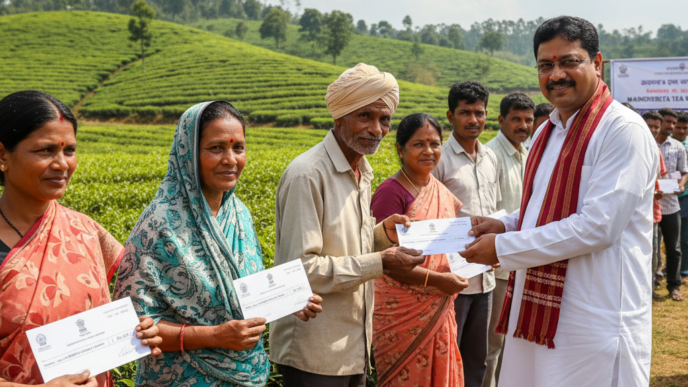
In a landmark move that coincides with the festive surge of Holi, the Chhattisgarh government disclosed a direct cash transfer of Rs 10,324 crore to approximately 25.28 lakh farmers across the state. Officially christened the “Pre‑Holi Farmer Assistance Scheme,” the initiative aims to inject liquidity into the agricultural economy just before the planting season, ensuring that cultivators can meet seed, fertilizer, and labor costs without resorting to high‑interest loans. The announcement was made by Chief Minister Bhupesh Baghel during a statewide virtual rally, where he emphasized that the scheme reflects the government’s commitment to “empowering farmers with financial dignity” as they prepare to celebrate the festival of colours.
Key Features of the Pre‑Holi Cash Transfer
The scheme is designed to cover a broad spectrum of agricultural producers, ranging from smallholders to medium‑scale farmers who collectively own less than 5 hectares of irrigated land. Targeted Beneficiaries include 25.28 lakh individuals identified through the state’s Farmer Register, which integrates data from the Land Records Portal and the Aadhaar‑linked agricultural census. Financial Allocation earmarks a total outlay of Rs 10,324 crore, translating to an average assistance of roughly Rs 41,000 per beneficiary. This figure was derived from a per‑farmer subsidy model that aligns with the typical input cost required for a single cropping cycle in the region.
Disbursement Timeline stipulates that funds will begin crediting eligible accounts from March 1, ensuring that farmers receive the assistance ahead of the critical sowing window for kharif crops such as paddy and pulses. The Objective extends beyond immediate cash relief; it seeks to enhance agricultural productivity, reduce dependency on informal credit, and stimulate rural consumption during the Holi period, when households traditionally incur heightened expenses on festive supplies. 
To gauge the scale of impact, officials estimate that the infusion of cash will boost household expenditure on farm inputs by an estimated 18 %, while simultaneously shrinking debt burdens by around 12 % among beneficiary families. The scheme also dovetails with the state’s broader 2025‑26 fiscal budget priorities, which allocate increased funding for rural infrastructure, primary education, and primary health care, thereby reinforcing a holistic approach to farmer welfare.
Historical Perspective and Policy Landscape
Chhattisgarh’s engagement with farmer support dates back to the turn of the millennium, with landmark programmes such as the “Bhupesh Baghel Kisan Yojana” and “Krishi Mitra” offering input subsidies, loan waivers, and crop insurance. Prior to this cash‑transfer model, assistance was predominantly delivered through in‑kind subsidies or delayed reimbursements, often plagued by administrative bottlenecks and leakages. The shift to a Direct Benefit Transfer (DBT) framework represents a strategic evolution aimed at improving transparency and reducing fiscal wastage.
Recent research from the Indian Institute of Agricultural Economics underscores the efficacy of cash transfers in agrarian contexts: households receiving direct cash exhibited a 15‑20 % increase in expenditure on seeds and fertilizers, and a measurable decline in reliance on money‑lenders. Moreover, the DBT approach aligns with national initiatives like the “Direct Benefit Transfer” programme, which has been adopted by several states to streamline subsidy disbursement. By leveraging this model, Chhattisgarh aspires to set a benchmark for other states contemplating similar cash‑based welfare measures.
Disbursement Mechanism and Implementation Details
Implementation hinges on the National Direct Benefit Transfer (NDBT) platform, which synchronizes the state treasury with beneficiaries’ Aadhaar‑linked bank accounts. Upon verification of a farmer’s details against the state’s Farmer Register, the system automatically credits an average allocation of Rs 41,000 into the designated account. Farmers receive a unique reference code via SMS, enabling them to confirm the credit in their bank statements without needing to navigate complex paperwork.
The disbursement workflow involves the following steps:
- Verification of Beneficiary Details: Utilization of the state’s integrated farmer database, cross‑checked with land‑ownership records and Aadhaar identifiers.
- Automatic Crediting: Funds are transferred directly to bank accounts through the NDBT gateway, eliminating manual processing.
- Real‑Time Monitoring: Dashboards accessible to the Finance and Agriculture departments provide live updates on disbursement status, enabling rapid identification of discrepancies.
To safeguard against fraud, the state has instituted a multi‑layered authentication protocol, including OTP verification and geotagged transaction logs. Such measures are intended to ensure that every eligible farmer receives the intended assistance promptly and without undue delay, thereby reinforcing trust in the government’s digital delivery mechanisms.
Economic and Social Impact on Rural Communities
The timing of the cash infusion—just before Holi—is strategic. Holi is a period when rural families traditionally purchase colours, sweets, new clothing, and gifts, leading to a surge in consumer spending. By providing timely liquidity, the scheme is expected to stimulate local markets, driving demand for agricultural inputs, handicrafts, and festive goods. Market analysts project a 5‑7 % uplift in rural consumer expenditure during the upcoming quarter, with small‑scale vendors anticipating heightened sales of sweets, fireworks, and decorative items.
Beyond immediate consumption, the cash transfer is anticipated to alleviate the reliance on informal moneylenders, who often charge exorbitant interest rates. This financial relief could translate into a reduction of debt cycles by up to 12 % among beneficiary households, fostering greater economic stability. Moreover, enhanced purchasing power may encourage farmers to invest in better inputs, potentially boosting yields and contributing to higher agricultural output in subsequent seasons.
In the longer term, the infusion of funds could have ripple effects on ancillary sectors such as irrigation services, transportation, and agri‑tech support. By strengthening the rural financial ecosystem, the scheme aligns with broader national objectives of inclusive growth and rural development, reinforcing Chhattisgarh’s reputation as a pioneering state in farmer‑centric welfare.
Stakeholder Reactions and Political Fallout
State Agriculture Minister Shri Bhupesh Baghel hailed the initiative as “a historic affirmation of the government’s unwavering support for our agrarian community,” emphasizing that the cash transfer would enable farmers to “celebrate Holi with dignity and financial security.” His statement was echoed by various farmer collectives, which expressed cautious optimism about the scheme’s tangible benefits.
The Chhattisgarh Kisan Sangh acknowledged that while the per‑farmer allocation is modest, it constitutes a meaningful contribution toward meeting input costs. Their spokesperson remarked, “This timely assistance will help many families avoid high‑interest loans during the festive season, thereby easing financial stress.” Conversely, opposition parties have voiced skepticism regarding the sustainability of such large‑scale cash transfers without complementary measures like loan waivers or expansive irrigation projects.
Political analysts suggest that the scheme may serve as a double‑edged sword: while it bolsters the ruling party’s image as a farmer‑friendly administration ahead of upcoming elections, critics may argue that it represents a short‑term populist gesture lacking a robust long‑term agricultural strategy. The debate is likely to intensify as the state prepares its annual budget reviews and as independent bodies conduct post‑implementation audits.
Future Outlook and Policy Recommendations
Experts view the Pre‑Holi Farmer Assistance Scheme as a potential template for other Indian states contemplating direct cash transfers as part of their welfare arsenals. If the rollout proves successful—measured through beneficiary satisfaction surveys, fiscal audit outcomes, and impact assessments on agricultural productivity—it could pave the way for more frequent, calendar‑aligned cash releases.
Future policy refinements may incorporate advanced digital tools such as satellite‑based crop monitoring and blockchain‑enabled land records to enhance targeting precision and reduce identification errors. Additionally, establishing a robust grievance redressal mechanism would be crucial to address any discrepancies that arise during disbursement, ensuring that grievances are resolved within a transparent timeframe.
From a macro‑economic perspective, integrating cash transfers with complementary interventions—such as micro‑credit schemes, crop insurance, and infrastructure upgrades—could amplify their efficacy. A coordinated approach that couples immediate liquidity with longer‑term resilience building would position Chhattisgarh as a model for holistic farmer empowerment, potentially influencing national policy deliberations on agricultural welfare.
Stay updated with the latest Yojana schemes and government initiatives for better awareness and eligibility. For personalized guidance on accessing these benefits, reach out to us.