


Event Overview
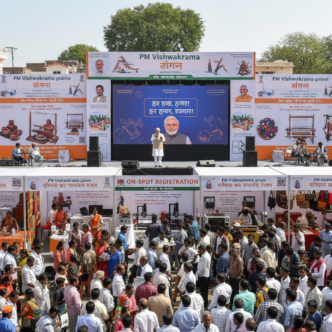
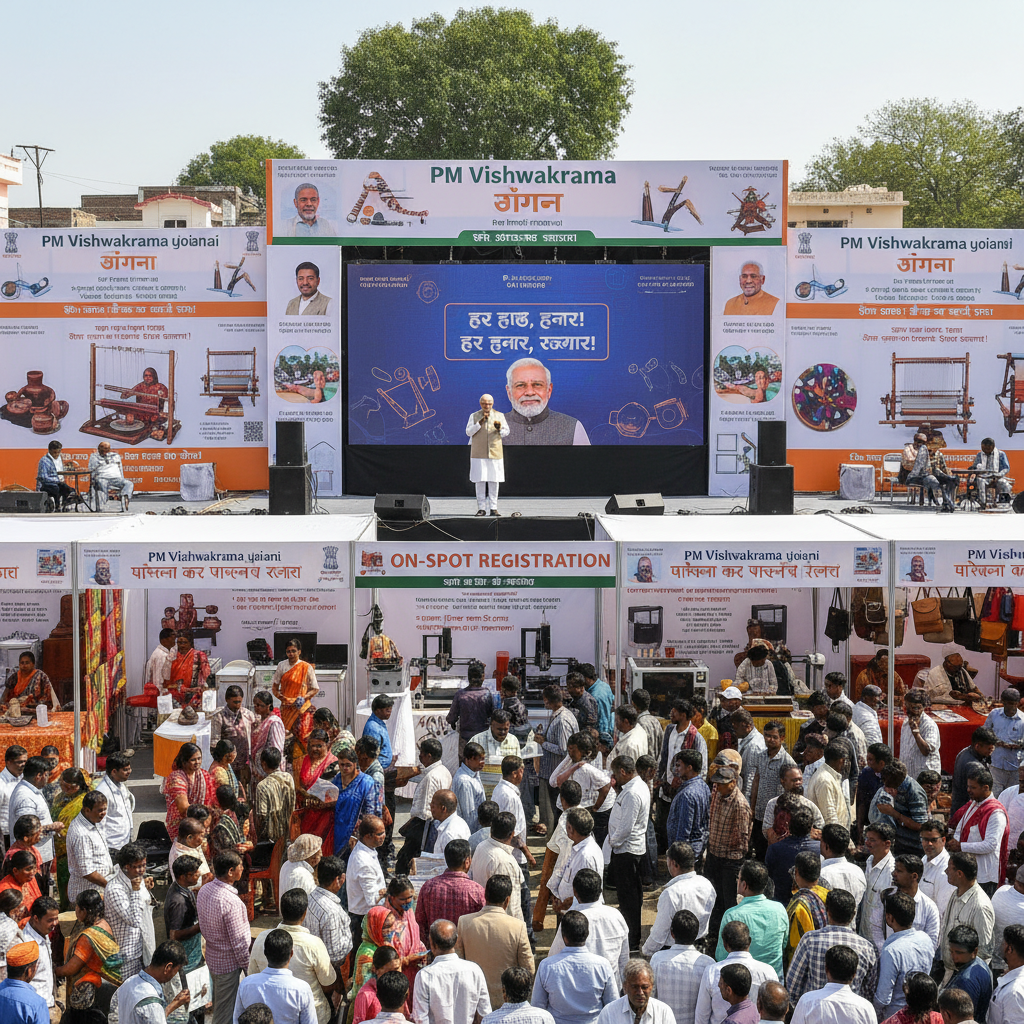
From 25 to 27 February 2026, the district of Rohtas in Bihar hosted a three‑day exhibition that brought the PM Vishwakarma Yojana to the forefront of rural development. The event was jointly organised by the Bihar Department of Micro, Small and Medium Enterprises and the Ministry of Skill Development and Entrepreneurship. Over 3,500 artisans, craftsmen and budding entrepreneurs converged at the Rohtas Livelihood Centre, where interactive stalls, live demonstrations and on‑spot registration kiosks created a hands‑on learning environment.
The exhibition showcased the scheme’s relevance to traditional crafts such as weaving, pottery, metalwork and leatherwork, which form a vital part of Bihar’s rural economy. By offering direct access to officials, instructional videos and printed guides, the programme aimed to demystify the enrollment process and highlight tangible benefits for participants.
Objectives and Design of the Exhibition
The primary objective was to bridge the information gap that has historically limited the uptake of government welfare programmes in remote areas. Organisers set up three thematic zones: a Knowledge Zone with informational kiosks, a Demonstration Zone featuring modern equipment for embroidery, 3‑D printing and CNC machining, and a Registration Zone where visitors could complete digital forms on tablets. 
Each zone was staffed by trained facilitators who guided attendees through the scheme’s eligibility criteria, required documentation and the step‑by‑step registration flow on the official PM Vishwakarma portal. The design emphasized accessibility, with signage in Hindi, English, Maithili and Bengali, and with mobile ramps for wheelchair users.
Key Features, Benefits and Eligibility of PM Vishwakarma Yojana
During the exhibition, officials detailed the core components of the PM Vishwakarma Yojana, which include:
- Skill‑training modules covering both traditional techniques and emerging digital tools.
- Financial assistance of up to INR 2 lakh for the purchase of essential tools and equipment.
- Subsidised credit facilities through participating banks, offering low‑interest loans for business expansion.
- Market linkage via e‑platforms and state‑run fairs, enabling artisans to reach a national customer base.
Eligibility is open to all registered artisans, craftsmen and small‑scale entrepreneurs who can demonstrate a minimum of one year of activity in a recognized craft. Applicants must possess a valid Aadhaar card, a basic bank account and a craft‑related certification where applicable. The portal allows for instant verification of documents, reducing processing time to under 48 hours.
Community Response and Registration Figures
The overwhelming response was reflected in the registration numbers: more than 3,500 participants signed up on the first day alone, a figure that exceeds the previous month’s statewide enrollment by 27 percent. Local leaders praised the administration for bringing the scheme directly to the grassroots, noting that such outreach is essential for inclusive development.
Several self‑help groups (SHGs) pledged to mentor newcomers, creating a collaborative ecosystem that will continue beyond the exhibition. Women artisans, who traditionally face barriers to credit and training, constituted 42 percent of the registrants, underscoring the scheme’s potential to empower marginalized communities.
Government Vision, Future Roadshows and Digital Integration
In a press briefing, the Minister of State for Micro, Small and Medium Enterprises articulated the broader vision of the PM Vishwakarma Yojana: to transform the informal sector into a structured, high‑value contributor to India’s GDP. He emphasized that the Rohtas exhibition is the first of a series of district‑level roadshows planned for Patna, Gaya, Muzaffarpur and other regions, aiming to saturate the state with awareness campaigns.
The government also announced the rollout of the mobile application “Vishwakarma Mitra”, which offers real‑time guidance on eligibility checks, document uploads and loan applications. An online marketplace, Artisanal Hub, will connect certified artisans directly with buyers, featuring product listings, pricing tools and logistics support. These digital initiatives are expected to enhance transparency, reduce bureaucratic delays and expand market reach for beneficiaries.
From an economic standpoint, the Ministry projects that the scheme could lift the income of at least 500,000 beneficiaries in Bihar over the next three years, potentially increasing household earnings by up to 30 percent. Such gains are anticipated to ripple through linked sectors, including logistics, retail and tourism, thereby fostering broader economic development across the region.
Addressing implementation challenges, the state has deployed a network of community resource centres staffed with trained facilitators to assist artisans lacking reliable internet access. Feedback loops with NGOs and local cooperatives will be used to refine outreach strategies, ensuring that women, Scheduled Castes and Scheduled Tribes are not left behind.
Stay updated with the latest Yojana schemes and government initiatives for better awareness and eligibility. For personalized guidance on accessing these benefits, reach out to us.