


Assam government launches welfare cheque scheme for Margherita tea workers
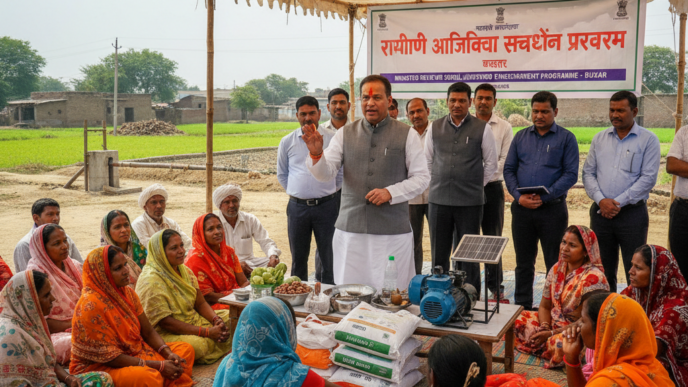
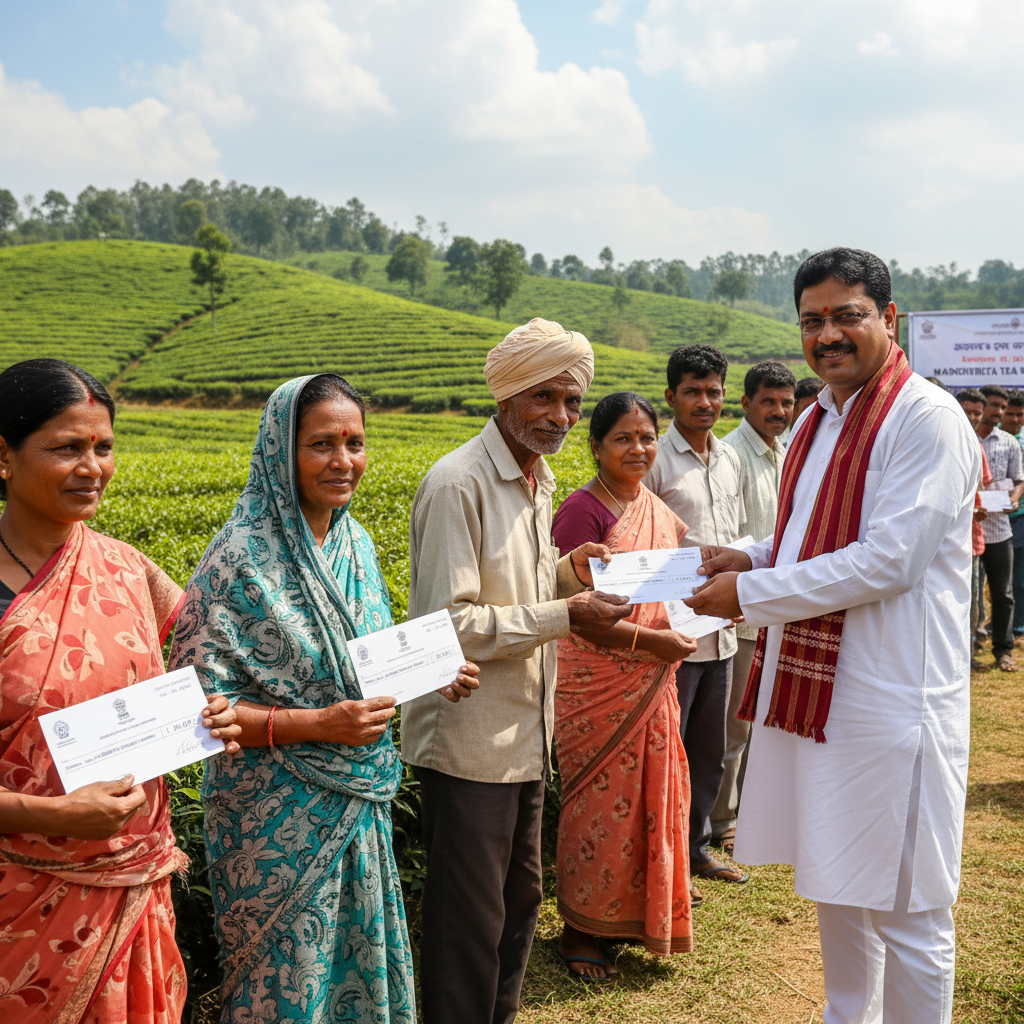
The Assam government announced on January 25, 2026, the disbursement of monthly cheques to tea labourers in the Margherita region, marking a targeted intervention to alleviate financial strain and boost living standards. The initiative, rolled out under the broader Assam State Welfare Scheme, directly addresses long‑standing grievances of plantation workers who have historically faced irregular wages and limited social protection. By converting cash assistance into tangible cheques, the administration aims to ensure transparency, reduce leakages and guarantee that every eligible worker receives the promised support without intermediaries. Early distribution drives have already reached over 1,200 beneficiaries across twelve estates, and the state has pledged to expand the coverage to neighboring districts later in the fiscal year. This move underscores the government’s commitment to integrating tea workers into the formal welfare ecosystem while reinforcing the economic backbone of Assam’s thriving tea industry – a sector that contributes significantly to state revenues and employment.
Background of the Scheme
Assam’s tea plantation sector, spanning over 500,000 hectares, employs more than 1.2 million workers, many of whom are entrenched in generations‑old labour communities. Despite the sector’s profitability, labourers often grapple with low and inconsistent earnings, inadequate healthcare, and limited access to education for their children. A 2023 report by the Tea Board of India highlighted that nearly 30% of plantation workers lacked any form of social security, a statistic that prompted urgent calls for policy intervention. Recognizing these vulnerabilities, the state government designed a welfare scheme that not only provides monetary aid but also integrates workers into a formal verification and grievance redressal framework. By linking financial assistance to verified employment records, the scheme seeks to eliminate fraudulent claims and ensure that benefits reach the intended recipients. Moreover, the initiative aligns with national goals of rural empowerment and inclusive growth, positioning Assam as a proactive leader in addressing the socio‑economic challenges faced by plantation communities.
Eligibility and Coverage
Under the scheme, all permanent and temporary workers employed in the Margherita tea estates qualify if they meet three core criteria: a minimum service period of six months, possession of a valid employment card issued by the Assam Tea Board, and compliance with state labour regulations. The eligibility criteria also extend to workers who have migrated from other districts but are presently stationed in Margherita, provided they hold the requisite documentation. The state has identified approximately 3,500 eligible workers across twelve estates, projecting an initial monthly outlay of INR 10–12 million. The assistance amount varies based on tenure and family size, ranging from INR 2,500 for newer entrants to INR 5,000 for senior labourers supporting larger households. Disbursement occurs on a monthly basis through cheques that can be cashed at any designated bank branch, thereby ensuring secure and traceable transactions. To streamline the process, the government has set up a digital verification portal where employers submit employee data, which is then cross‑checked against the employment card database before cheque generation. 
- Monthly financial assistance amount: INR 2,500 – INR 5,000 per worker
- Verification mechanism: digital cross‑checking of employment cards
- Disbursement channels: authorized bank branches
- Coverage target: 3,500 workers initially, with plans to expand
In addition to the direct cash component, the scheme incorporates supplementary support services such as subsidised health camps, scholarship programmes for workers’ children, and skill‑development workshops aimed at diversifying income sources. These allied interventions are intended to create a holistic safety net that not only lifts households out of immediate poverty but also equips them with tools for long‑term economic resilience. Stakeholders, including local trade unions and NGOs, have praised the integrated approach for addressing both monetary and non‑monetary dimensions of labour welfare.
Implementation Process
The execution of the welfare cheque scheme involved a multi‑agency collaboration that blended administrative precision with on‑ground diligence. The Assam Tea Board served as the primary data aggregator, compiling lists of eligible workers based on employer‑submitted registers. Simultaneously, the Department of Labour conducted field verification drives in each estate, physically confirming employment status and cross‑referencing identity documents. Once verification was completed, the state’s finance department generated individualized cheques, which were then dispatched via registered postal services to the workers’ registered addresses. To ensure accountability, each cheque bore a unique serial number linked to the worker’s digital profile, facilitating real‑time tracking of disbursements. A dedicated grievance redressal cell was also established, offering a 24‑hour helpline and an online portal where beneficiaries could report discrepancies, request re‑issuance of cheques, or seek clarification on eligibility criteria. Early feedback from field officers indicates that the streamlined workflow has reduced processing time by nearly 40% compared to previous welfare disbursement methods, thereby accelerating the flow of assistance to those in need.
Modern technology played a pivotal role in enhancing transparency. The state employed a cloud‑based database that stored all verification records, cheque generation logs, and beneficiary feedback in a single, searchable repository. This system not only minimized the risk of duplicate payments but also enabled real‑time audit trails, allowing auditors to trace every rupee from allocation to cash‑out. Notably, the integration of biometric verification at the point of cheque encashment further safeguarded against fraud, as each transaction required the worker’s fingerprint authentication. Such measures have been lauded by both government officials and labour advocacy groups as exemplary models for other states grappling with similar welfare distribution challenges.
Impact on Rural Development
Within weeks of the scheme’s launch, noticeable improvements have emerged in the socio‑economic fabric of Margherita’s tea‑plantation villages. Beneficiaries reported increased capacity to meet daily household expenses, including food procurement, school fees, and medical consultations. Anecdotal evidence suggests that households previously forced to curtail meals due to erratic cash flows now enjoy a steadier rhythm of nutrition, leading to better health outcomes among children and elderly workers. Moreover, the infusion of regular income has spurred modest entrepreneurial activities; several workers have begun small‑scale ventures such as poultry rearing, vegetable gardening, and handicraft production, thereby diversifying their revenue streams beyond the plantation sector.
Local entrepreneurship has also been catalysed by the scheme’s ancillary support services. The state‑sponsored skill‑development workshops, conducted in partnership with technical institutes, have equipped participants with competencies in digital literacy, basic accounting, and market linkage strategies. Graduates of these programs have reported higher confidence in negotiating wages and exploring alternative employment avenues, fostering a culture of empowerment within the community. On a macro level, the increased disposable income has revitalised peripheral markets, as workers invest in local retailers, transport services, and small enterprises, creating a ripple effect of economic activity that extends beyond the immediate plantation zones. Additionally, the scheme’s emphasis on health camps and educational scholarships has contributed to measurable declines in infant mortality rates and school dropout statistics, underscoring its role in fostering holistic development.
Policy Outlook and Future Directions
Political analysts view the welfare cheque initiative as part of a broader strategy by the Assam government to fortify its welfare portfolio ahead of upcoming state elections. By delivering tangible benefits to a historically marginalised workforce, the administration aims to showcase its commitment to inclusive growth, thereby bolstering electoral credibility. Experts, however, caution that monetary aid alone cannot resolve the structural challenges facing tea plantation labourers. They recommend complementing the scheme with long‑term skill‑development programmes, access to affordable credit, and incentives for plantation owners to invest in modernised, worker‑friendly practices.
Looking ahead, the state has outlined a phased expansion plan that includes gradually increasing the ceiling of financial assistance and broadening eligibility to encompass seasonal and migrant workers. Pilot projects are already underway to evaluate the feasibility of integrating the scheme with the National Rural Livelihood Mission, thereby creating synergies with other rural development initiatives. Policy briefs from the Assam Planning Department suggest that a portion of the scheme’s budget will be earmarked for establishing community financial hubs, where workers can access micro‑loans, insurance products, and financial literacy resources. Such forward‑looking measures aim to transition beneficiaries from passive recipients to active participants in the state’s economic ecosystem, fostering sustainable empowerment.
Comparative Perspective
Other tea‑producing states such as West Bengal and Kerala have experimented with welfare measures for plantation workers, but Assam’s cheque‑disbursement model distinguishes itself through its emphasis on direct cash transfers and stringent verification protocols. In West Bengal, for instance, benefits are often channelled through cooperative societies, which can introduce intermediaries and potential delays. Kerala’s approach leans heavily on subsidies for health and education, yet it lacks a dedicated cash‑based component that provides workers with immediate liquidity. Assam’s model, by contrast, eliminates middlemen, ensuring that each rupee reaches the intended recipient without attenuation. This directness has been praised by labour unions for reducing the risk of corruption and enhancing beneficiary autonomy. Furthermore, the inclusion of transparent digital records aligns with national objectives of digital governance, positioning Assam’s initiative as a benchmark for other regions seeking to modernise welfare delivery.
Challenges Ahead
Despite the promising start, several hurdles remain on the path to universal implementation. First, ensuring timely verification of worker status across multiple estates demands substantial administrative bandwidth; any delays could jeopardise the disbursement schedule and erode beneficiary trust. Second, the risk of duplicate payments necessitates robust data‑matching algorithms and continuous monitoring to detect anomalies. Third, fiscal sustainability poses a concern: while the current allocation is representative of a modest budgetary outlay, scaling up the scheme to cover all plantation workers in Assam may strain state finances, especially amid competing developmental priorities.
Data management is another critical frontier. The state must maintain an up‑to‑date digital registry that captures fluctuations in employment, family composition, and residence, thereby requiring regular audits and updates. Failure to keep the database current could lead to eligibility lapses or erroneous cheque issuances. Moreover, the integration of biometric verification at the point of cash‑out, while effective against fraud, raises privacy considerations that must be addressed through stringent data‑protection frameworks. Finally, stakeholder engagement remains essential; sustained dialogue with trade unions, plantation owners, and community leaders is vital to refine the scheme’s parameters, resolve grievances promptly, and foster a sense of collective ownership among all parties involved.
Addressing these challenges will require a coordinated effort that blends technological innovation, transparent governance, and participatory policymaking. Continuous monitoring and evaluation will be essential to fine‑tune the programme, ensuring that it remains responsive to the evolving needs of tea plantation workers while maintaining fiscal prudence.
Conclusion
The Assam government’s welfare cheque distribution in Margherita represents a landmark effort to uplift tea plantation labourers and reinforce the state’s commitment to inclusive development. By coupling direct financial assistance with complementary support services, the initiative not only addresses immediate monetary needs but also paves the way for long‑term socio‑economic empowerment. As the scheme progresses, ongoing evaluation, adaptive management, and stakeholder collaboration will be pivotal in maximising its impact and ensuring that future generations of tea workers benefit from a more equitable and prosperous future.
Stay updated with the latest Yojana schemes and government initiatives for better awareness and eligibility. For personalized guidance on accessing these benefits, reach out to us.