




Assam Tax Devolution: A Fiscal Boost for the State
The Union Budget 2026, unveiled by the Ministry of Finance on February 1, 2026, earmarked a record Rs 50,000 crore as tax devolution for Assam. This allocation marks the highest fiscal transfer ever received by the state and reflects the central government’s renewed focus on narrowing regional disparities. The figure was disclosed in the official budget documents released on the Ministry’s website, underscoring a strategic shift towardgreater fiscal federalism. Officials highlighted that the devolution is anchored in the latest recommendations of the Finance Commission of India, which incorporates recent growth trends in agriculture, tourism, and renewable energy. By integrating these sectors into the devolution formula, the Centre aims to reward states that are driving inclusive growth, and Assam’s performance in these areas has positioned it favorably for a larger share of central taxes.
Analysts note that the Rs 50,000 crore allocation is not just a nominal increase but a calibrated response to evolving macro‑economic indicators. The budget briefing emphasized that the devolution will be disbursed in two installments, with the first tranche expected by the end of the fiscal year. This timing coincides with Assam’s ongoing efforts to modernize its infrastructure and boost public services. The move has been hailed as a vote of confidence in the state’s development roadmap, potentially paving the way for more targeted investments in sectors that directly impact citizen welfare.
Record‑Breaking Devolution Figure
Historically, Assam’s share of central tax devolution has hovered around the Rs 40,000 crore mark in the 2024–25 fiscal year. The 2026 budget therefore represents a 25 percent surge over the previous allocation, translating into an additional Rs 5,800 crore for the state’s development budget. This jump is attributed to the revised devolution formula, which now places greater weight on per‑capita income distance, population, and growth performance. According to the Ministry of Finance’s budget memorandum, Assam’s gross state domestic product (GSDP) growth of 7.4 percent in the last fiscal year, driven largely by a 9 percent rise in agricultural output and a 12 percent increase in tourism receipts, helped secure the larger share. 
When compared with other northeastern states, Assam now tops the devolution chart, outpacing neighboring Mizoram and Nagaland, which received Rs 12,000 crore and Rs 9,500 crore respectively in the same cycle. This disparity underscores the Centre’s intent to prioritize states that demonstrate robust economic diversification. The finance ministry’s release also highlighted that the devolution will be capped at 0.8 percent of the Union’s total tax receipts, ensuring fiscal sustainability while delivering substantial resources to high‑potential states like Assam.
Historical Formula Adjustments and Eligibility Criteria
The backbone of the 2026 devolution is the Finance Commission’s updated methodology, which incorporates five key parameters: tax effort, income distance, population, area, and growth rate. Each parameter carries a weighted score, and Assam’s performance across these metrics was the strongest among the northeastern states. The growth rate component, which accounts for 30 percent of the final score, benefited from Assam’s recent rise in agricultural productivity (up 9 percent YoY) and renewable energy generation (a 15 percent increase in solar capacity).
Eligibility for a higher devolution share is contingent upon meeting the growth and fiscal cohesion benchmarks set by the Commission. Assam’s fiscal deficit trajectory—maintaining a deficit below 5 percent of GSDP for three consecutive years—also satisfied the Commission’s fiscal prudence criteria. Moreover, the state’s population density and geographical area contributed to a modest boost in the weighting, reflecting the logistical challenges of delivering services across its expansive terrain. These adjustments ensured that Assam qualified for the upper tier of devolution recipients, positioning the state to channel the additional resources into priority sectors.
Projected Fiscal Impact and Deficit Reduction
Finance Minister Himanta Biswa Sarma announced that the Rs 50,000 crore infusion is projected to reduce Assam’s fiscal deficit from 4.5 percent of GSDP to under 3 percent by the end of the 2026‑27 fiscal year. This improvement is expected to enhance the state’s credit rating outlook, potentially lowering borrowing costs on municipal bonds and reducing interest payments on outstanding debt. Economists at the Moody’s Analytics team project that the revised deficit trajectory could unlock an additional Rs 2,500 crore in market financing over the next three years, enabling more ambitious infrastructure projects.
From a macro‑economic perspective, the devolution is anticipated to have a multiplier effect of 1.6 across key sectors. By easing the fiscal burden, the state government can redirect resources toward high‑impact areas such as rural road connectivity, urban mass transit, and agricultural irrigation. The fiscal relief also provides a buffer against external shocks, such as fluctuating global commodity prices, thereby safeguarding state‑level welfare programs. Analysts suggest that the prudent fiscal stance, coupled with the infusion of central funds, could position Assam as a model for other states seeking to balance growth aspirations with fiscal responsibility.
Key Development Projects and Citizen Benefits
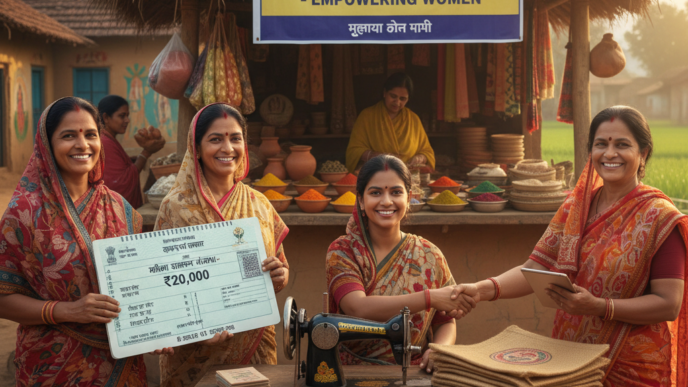
In its budget speech, the state government outlined a suite of flagship projects slated to receive dedicated portions of the devolution fund. These include the Dhola–Sadiya Bridge upgrade, the expansion of the Guwahati Metro network, and a comprehensive rural irrigation modernization scheme targeting 1.2 million hectares. Additionally, the budget earmarks allocations for small and medium‑enterprise (SME) incubation centers, healthcare infrastructure upgrades in 300 primary health centres, and women‑empowerment initiatives that channel financing to self‑help groups.
The expected citizen impact is multifaceted. Improved road connectivity is projected to cut travel time between Guwahati and Dibrugarh by up to 40 percent, facilitating trade and tourism. Enhanced metro services aim to alleviate urban congestion, offering a scalable public‑transport alternative that could serve 500,000 commuters daily. Rural irrigation upgrades are expected to increase crop yields by an estimated 12 percent, directly boosting farmer incomes and food security. Health initiatives will expand specialist services in underserved districts, while targeted education scholarships aim to increase secondary school enrollment among girls by 8 percent. Collectively, these projects are designed to foster inclusive growth, create approximately 150,000 new jobs, and elevate the overall quality of life for Assam’s 31 million residents.
To capture these benefits, the government has instituted a State Fiscal Monitoring Cell, which will coordinate with central agencies, conduct quarterly progress reviews, and publish transparent utilization reports. This oversight mechanism is intended to prevent delays, curb fiscal leakages, and ensure that the devolution funds translate into tangible outcomes on the ground. Stakeholders, including civil society organizations and private investors, have welcomed the move, emphasizing that accountability will be crucial for sustaining the momentum generated by the budgetary infusion.
Stay updated with the latest Yojana schemes and government initiatives for better awareness and eligibility. For personalized guidance on accessing these benefits, reach out to us.