


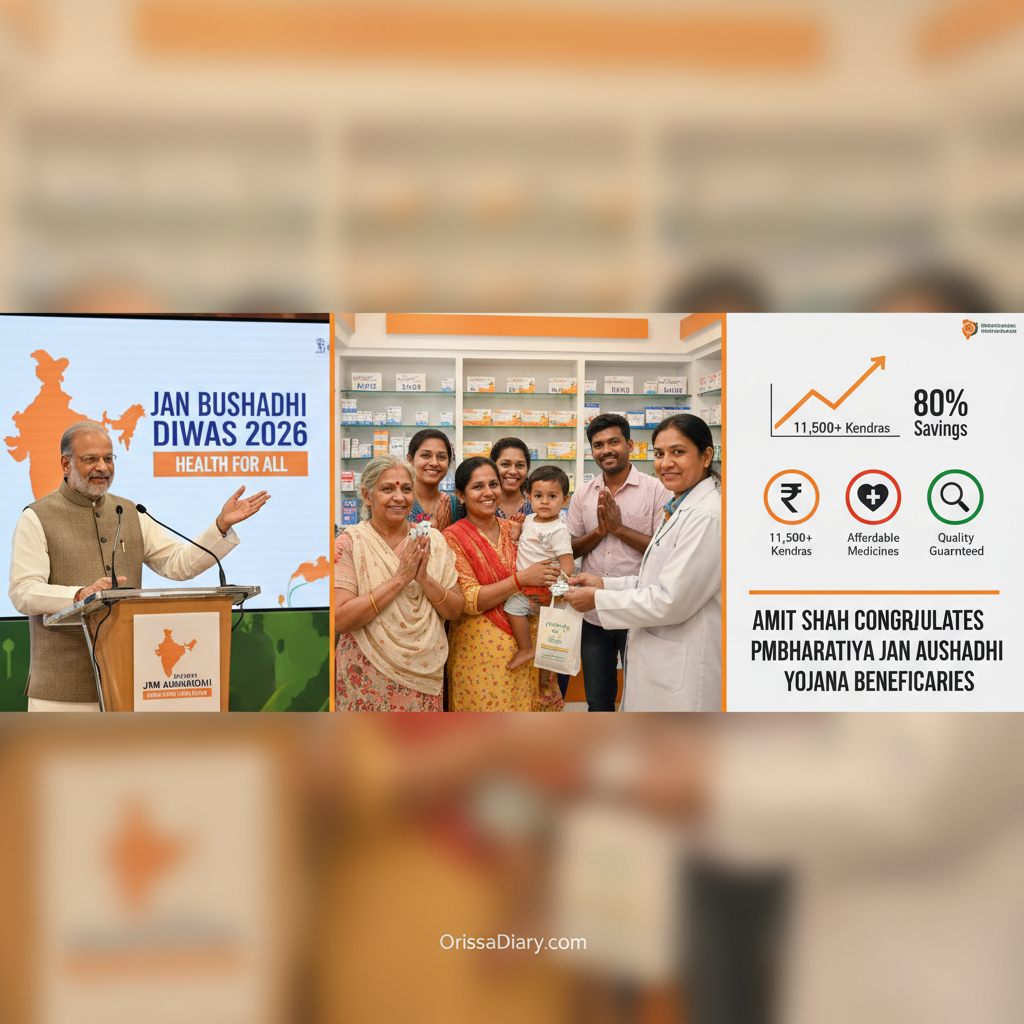
Celebrating Jan Aushadhi Diwas 2026: A Milestone for Affordable Healthcare
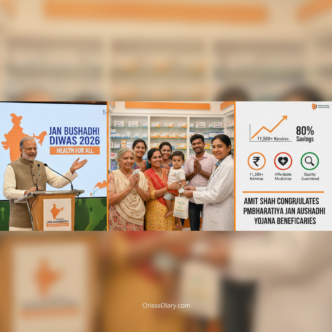
On March 7, 2026, Union Home Minister and Minister of Cooperation Amit Shah extended heartfelt greetings to the beneficiaries of the Pradhan Mantri Bharatiya Jan Aushadhi Yojana (PMBJP) as India observed Jan Aushadhi Diwas 2026. The message, shared widely on digital platforms and highlighted by Orissa Diary, resonated with millions of citizens who rely on the scheme’s low‑cost generic medicines to manage health without financial strain.] The celebration underscores the government’s commitment to “health for all,” aligning closely with the United Nations Sustainable Development Goal 3 on good health and well‑being.
Minister Shah emphasized that the PMBJP has transformed from a modest pilot project into a nationwide network comprising more than 11,500 Jan Aushadhi Kendras. These outlets collectively dispense over 150 million units of medicines annually, covering therapeutic categories such as antibiotics, cardiovascular drugs, diabetes treatments, and essential vitamins. By offering generic equivalents at prices up to 80 % lower than branded alternatives, the scheme directly addresses the affordability gap that has long plagued India’s healthcare landscape.
Strategic Initiatives Announced by Minister Amit Shah
During the Jan Aushadhi Diwas ceremony, Minister Shah unveiled a suite of strategic initiatives designed to expand reach, improve efficiency, and deepen public awareness: 
- Geographic Expansion: Targeted opening of 2,500 new kendras in underserved districts by the end of 2026, with priority given to tribal and remote regions.
- Digital Monitoring Platform: Launch of a real‑time dashboard that tracks inventory levels, expiry dates, and sales metrics, enabling proactive restocking and minimizing wastage.
- Public‑Private Partnerships: Incentivized collaborations with existing retail pharmacy chains to integrate Jan Aushadhi outlets into broader distribution networks.
- Awareness Campaigns: Nationwide multimedia campaigns aimed at educating citizens about therapeutic equivalence of generic medicines and promoting rational drug use.
These measures are expected to not only bolster the supply chain but also empower consumers with knowledge, fostering a culture of informed self‑care across urban and rural communities alike.
Evolving the Scheme: From Pilot to National Network
The Pradhan Mantri Bharatiya Jan Aushadhi Yojana was launched in 2008 as a modest pilot in Kerala and Himachal Pradesh, with just 500 kendras operating under a proof‑of‑concept model. Over the years, the programme has progressed through distinct phases:
- Pilot Phase (2008‑2012): Focused on establishing a functional procurement model and testing quality assurance protocols.
- Growth Phase (2013‑2017): Scaling up operations, introducing a centralized procurement system, and expanding the network to approximately 5,000 kendras.
- Consolidation Phase (2018‑2021): Implementation of stringent quality certifications, creation of a national drug database, and strengthening of pharmacist training programs.
- Innovation Phase (2022‑2026): Integration of e‑procurement, adoption of blockchain technology for traceability, and deployment of mobile health units to reach remote populations.
Each phase built upon lessons learned, culminating in a robust framework that now serves as a model for affordable medication programmes worldwide.
Economic and Social Impact of the Pradhan Mantri Bharatiya Jan Aushadhi Yojana
A recent government report estimates that the PMBJP has saved Indian households an aggregate INR 30,000 crore over the past five years by providing generic medicines at prices up to 80 % lower than their branded counterparts. This financial relief is particularly vital for low‑income families, for whom out‑of‑pocket health expenditures previously accounted for over 30 % of total income.
Beyond direct cost savings, the scheme has generated indirect economic benefits, including the creation of over 150,000 jobs in logistics, pharmacy operations, and digital platform development. In addition, community health outcomes have improved markedly. For instance, families in Kullu, Himachal Pradesh, now spend less than INR 1,000 per month on hypertension medication compared with previous expenditures of INR 5,000, while tribal areas of Bastar, Chhattisgarh, have observed reduced medication non‑adherence due to localized kendra access.
Public health analysts highlight the broader societal impact. Dr. Rohit Singh, Director of the Indian Institute of Public Health, remarked, “The integration of digital tools will revolutionise supply chain management, ensuring that patients receive medicines when they need them—especially during crises such as pandemics or natural disasters.” Consumer rights activist Priya Sharma added, “Empowering consumers with knowledge about generic alternatives is crucial; when people understand that a ₹10 generic tablet can be medically identical to a ₹100 branded counterpart, they are more likely to make cost‑effective choices.”
For further reading on the scheme’s design, see its Wikipedia entry and the official Jan Aushadhi portal.
Future Roadmap and Vision 2030
Looking ahead, the Ministry of Health and Family Welfare plans to release a comprehensive “Jan Aushadhi Vision 2030” later this year. The roadmap outlines ambitious targets such as achieving 100 % coverage of essential medicines in all districts, reducing the average price differential between generic and branded drugs to below 30 %, and integrating the scheme with the Ayushman Bharat health insurance programme.
Minister Amit Shah called for collaborative action among government agencies, private stakeholders, and civil society, stating, “The path forward involves a unified approach. By harnessing technology, expanding our network, and fostering public awareness, we can ensure that every Indian, regardless of geography or income, accesses quality healthcare without financial hardship.”
These forward‑looking goals reflect the government’s resolve to cement the PMBJP as a cornerstone of India’s health policy, guaranteeing that affordable, quality medicines become a lived reality for every citizen.
Stay updated with the latest Yojana schemes and government initiatives for better awareness and eligibility. For personalized guidance on accessing these benefits, reach out to us.