



Introduction
The Union Cabinet has announced a two‑pronged policy push that will keep the Atal Pension Yojana operational until the financial year 2030‑31 and inject Rs 5,000 crore into the Small Industries Development Bank of India (SIDBI). This move is designed to fortify retirement security for millions of Indian workers while simultaneously bolstering credit availability for micro, small and medium enterprises (MSMEs). By extending the pension scheme and earmarking funds for SIDBI, the government signals a dual commitment to social security and entrepreneurial growth, aligning with the broader “Sabka Saath, Sabka Vikas” agenda.
Key Features of Atal Pension Yojana
Launched in 2015 under the umbrella of the Pradhan Mantri Jan Dhan Yojana, the Atal Pension Yojana offers a guaranteed monthly pension ranging from Rs 1,000 to Rs 5,000, depending on the contribution tier selected by the subscriber. The scheme is open to all Indian citizens aged 18 to 40, with a particular focus on those employed in the informal sector who traditionally lack access to formal retirement benefits.
- Eligibility: Any Indian citizen between 18 and 40 years of age can enroll.
- Monthly Contribution: Varies from Rs 55 to Rs 2,000, based on the desired pension amount.
- Pension Benefit: Upon attaining the age of 60, the subscriber receives a fixed pension for life, ensuring a steady income during retirement.
These features have attracted over three crore (30 million) beneficiaries, many of whom credit the scheme with providing a reliable financial safety net in old age. 
Extension till 2030‑31
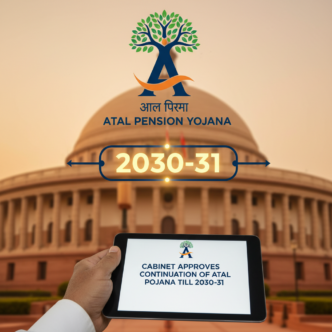
In a recent cabinet decision, the government extended the Atal Pension Yojana for an additional four years, securing its operation through the fiscal year 2030‑31. This extension ensures uninterrupted pension disbursements for the current cohort of over three crore retirees, while also encouraging enrolment among younger workers who can benefit from long‑term contribution cycles.
The policy extension serves multiple strategic purposes. First, it reinforces financial inclusion by offering a structured, government‑backed retirement solution that reduces reliance on informal savings mechanisms. Second, it creates a predictable fiscal environment that can be leveraged for periodic reviews, allowing contribution rates and pension thresholds to be adjusted in line with inflation and demographic trends. Finally, the continuation signals stability to financial institutions and private investors, fostering confidence in ancillary services linked to the scheme, such as pension‑linked credit products.
Rs 5,000 Crore Allocation to SIDBI
Alongside the yojana extension, the cabinet approved a Rs 5,000 crore infusion into SIDBI, the premier financing institution for MSMEs. The funds are earmarked for enhancing credit flow, promoting innovation, and supporting initiatives that intersect with the retirement ecosystem.
SIDBI plans to allocate a portion of this capital towards developing pension‑linked financing products, enabling retirees to obtain affordable loans for housing upgrades, healthcare expenses, and small‑scale business ventures. Additionally, the bank will invest in digital platforms that streamline enrollment, contribution tracking, and pension disbursement for Atal Pension Yojana subscribers, improving user experience and reducing administrative bottlenecks.
This financial backing also opens avenues for collaborative projects between SIDBI and other government agencies, such as the National Health Authority, to create integrated services that address post‑retirement health and financial planning needs.
Impact on Citizens
When combined, the scheme extension and SIDBI funding are expected to generate measurable improvements in the economic well‑being of Indian retirees and aspiring entrepreneurs.
- Pension Coverage: By securing the scheme until 2030‑31, the government projects an increase in coverage from the current 3 crore beneficiaries to an estimated 4.5 crore by the end of the decade, significantly reducing old‑age poverty.
- Access to Credit: Retirees will gain easier access to affordable credit through pension‑linked loans, facilitating home improvements, medical treatments, and micro‑enterprise startups.
- Consumer Demand: MSMEs stand to benefit from a larger pool of customers with regular pension incomes, potentially boosting sales of goods and services targeted at senior citizens.
- Confidence in Government Schemes: The visible commitment to both retirement security and MSME financing reinforces trust in public‑sector financial instruments, encouraging more individuals to enrol in formal savings plans.
Overall, the policy synergy aims to create a virtuous cycle where secure retirees contribute to consumer demand, which in turn fuels MSME growth, reinforcing the broader objectives of inclusive economic development.
Policy Rationale and Future Outlook
Finance Ministry officials have underscored that the extension aligns directly with the government’s vision of “Sabka Saath, Sabka Vikas,” emphasizing that a robust retirement safety net is essential for achieving equitable growth. By guaranteeing a lifelong pension, the state reduces dependence on informal savings, curbing the risk of old‑age destitution and promoting disciplined financial planning among workers.
Looking ahead, policymakers anticipate integrating the Atal Pension Yojana with complementary schemes such as the Pradhan Mantri Suraksha Bima Yojana, creating a comprehensive social security portfolio that covers health, accidental, and life insurance aspects. Continuous monitoring of subscriber data will enable dynamic adjustments to contribution slabs and pension amounts, ensuring they keep pace with inflationary pressures and demographic shifts.
Conclusion
The decision to extend the Atal Pension Yojana until 2030‑31 and allocate Rs 5,000 crore to SIDBI marks a decisive step toward strengthening India’s retirement infrastructure while simultaneously empowering the MSME sector. This dual‑focused approach underscores the government’s commitment to inclusive development, financial resilience, and long‑term economic stability. Stakeholders across the public and private spectrum are expected to monitor the rollout closely, as its outcomes could serve as a blueprint for future social security and entrepreneurial financing initiatives.
Stay updated with the latest Yojana schemes and government initiatives for better awareness and eligibility. For personalized guidance on accessing these benefits, reach out to us.