


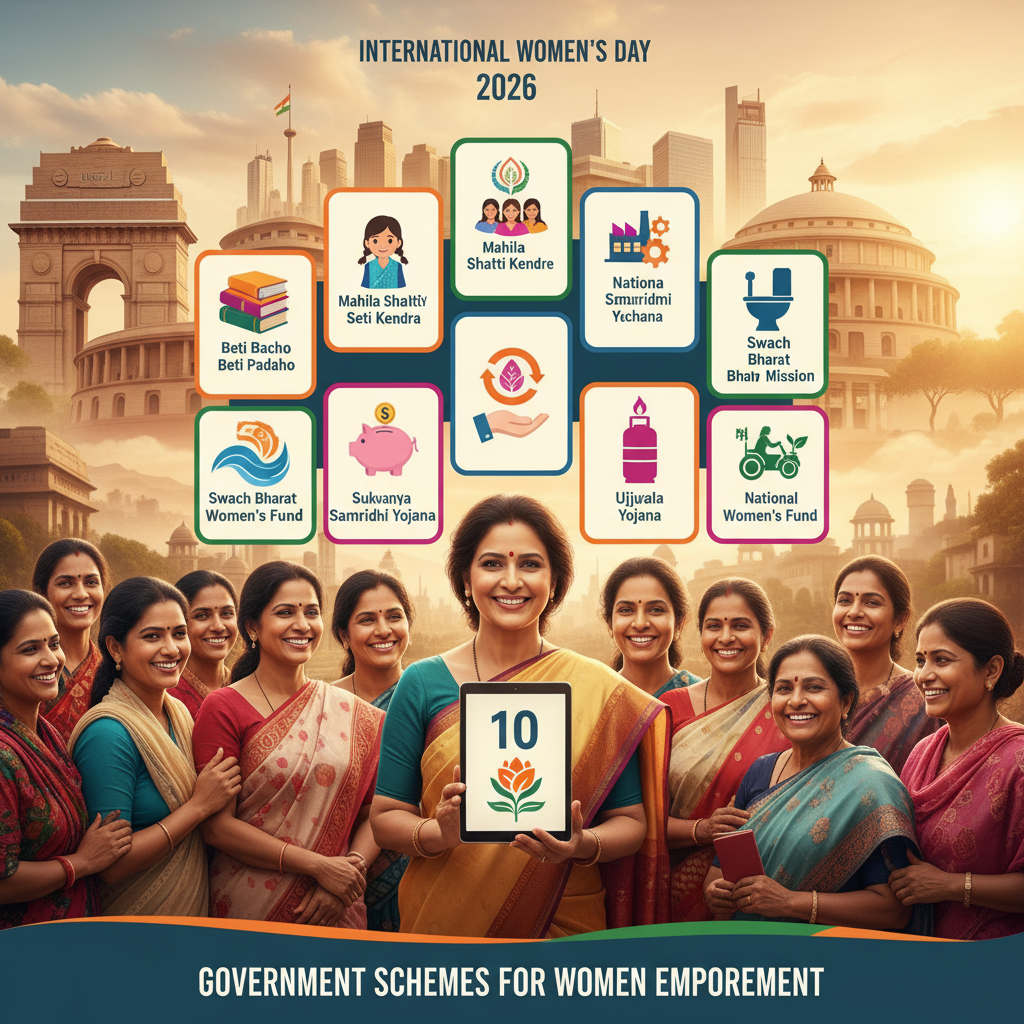
International Women’s Day 2026: 10 Government Schemes Empowering Women
International Women’s Day, observed every 8 March, offers a global platform to assess progress on gender equality and to spotlight transformative policies. In 2026, the Indian government reinforced its dedication to women’s empowerment by rolling out targeted schemes that address education, financial inclusion, health, safety, and entrepreneurship. This article presents an in‑depth look at ten flagship initiatives, highlighting their objectives, implementation status, eligibility criteria, and real‑world impact on millions of Indian women.
1. Beti Bachao Beti Padhao (BBBP)
Launched in 2015, Beti Bachao Beti Padhao (BBBP) aims to combat gender‑biased sex selection and improve girl‑child education. By 2026 the programme has expanded to over 600 districts, offering cash incentives for school enrolment, scholarships for secondary education, and a nationwide awareness drive. According to the Ministry of Women and Child Development, states that fully implemented BBBP witnessed a 12 % rise in girls’ school completion rates compared with baseline data from 2014. The scheme also provides legal assistance to families facing forced early marriage, linking them to the National Legal Services Authority (NALSA). Learn more on Wikipedia.
2. Mahila Shakti Kendra (MSK)
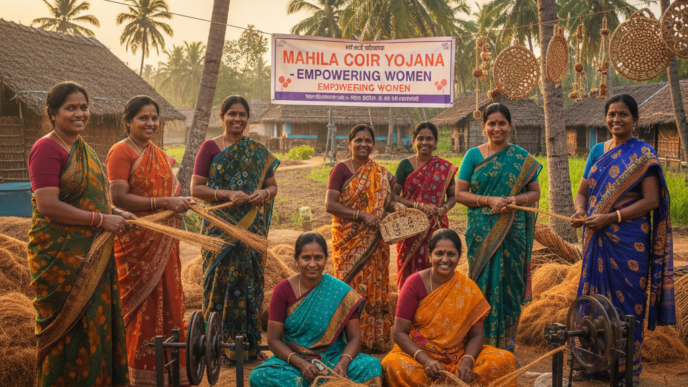
Designed for rural empowerment, Mahila Shakti Kendras (MSKs) serve as hubs for self‑help groups (SHGs), skill‑development workshops, and micro‑credit facilitation. As of 2026, more than 1.2 million women have accessed MSK services across 15 states, with a reported 15 % uplift in household income in targeted villages. The centres provide training in agro‑processing, handicrafts, and digital marketing, and they act as linkages to the National Bank for Agriculture and Rural Development (NABARD) for seed capital. Beneficiaries also receive mentorship from women entrepreneurs who have successfully scaled micro‑enterprises. 
3. Mahila Udyami Scheme
The Mahila Udyami Scheme focuses on women entrepreneurs by offering interest subvention on loans up to ₹10 lakh, along with mentorship, incubation, and market‑linkage support. Since its inception, over 30,000 Women‑Owned Enterprises (WOEs) have benefitted, contributing to a 20 % growth in women‑led micro, small and medium enterprises (MSMEs) nationwide. Eligibility includes being a woman aged 18‑55, having a viable business plan, and operating in the formal or informal sector. The scheme’s online portal enables easy application and tracking of sanction orders, fostering transparency.
4. National Mission for Women Empowerment (NMWE)
Coordinated by the Ministry of Women and Child Development, the National Mission for Women Empowerment (NMWE) integrates health, education, safety, and economic interventions. Its flagship component, the Women’s Helpline 181, handled more than 2 million calls in 2025, providing rapid assistance for domestic violence, harassment, and emergency rescue. NMWE also funds community‑based childcare centres, allowing mothers to participate in the formal workforce. The mission’s data portal tracks progress across 28 states, enabling evidence‑based policy adjustments.
5. Sukanya Samriddhi Yojana (SSY)
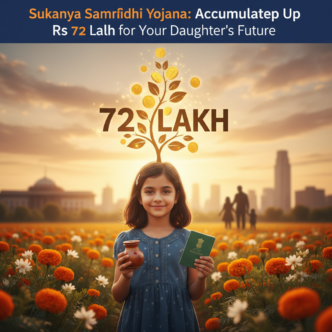
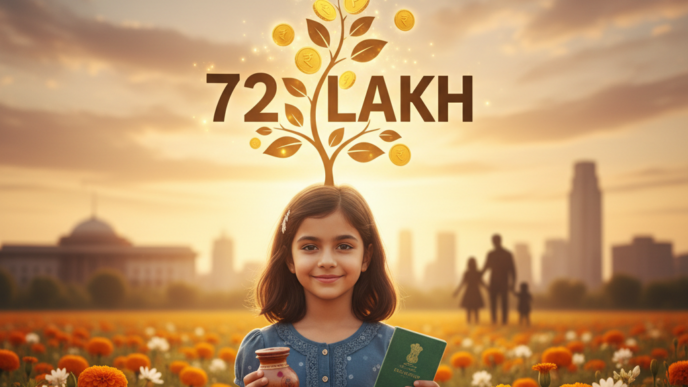
Sukanya Samriddhi Yojana (SSY) is a savings scheme exclusively for girl children, offering an attractive interest rate, tax exemptions, and maturity benefits after the age of 21. By the end of 2025, cumulative deposits under SSY crossed ₹2.5 trillion, with an average balance of ₹2.5 lakh per account. The scheme incentivises long‑term financial security for girls, helping families plan for higher education and marriage expenses while curbing early marriage trends. Parents can open an SSY account at any post office or authorised bank branch.
6. Mahila Samridhi Yojana
Targeted at women from economically weaker sections, the Mahila Samridhi Yojana provides collateral‑free micro‑loans up to ₹5 lakh for entrepreneurship, education, or housing. In 2026, over 500,000 loans were disbursed, boasting a repayment rate exceeding 96 %. The scheme prioritises women belonging to Scheduled Castes (SC), Scheduled Tribes (ST), and Below Poverty Line (BPL) categories, offering a simple online application process through the Ministry’s portal. Success stories abound, with many beneficiaries transitioning from informal labour to sustainable small‑scale enterprises.
7. Ujjwala Yojana – Women Component
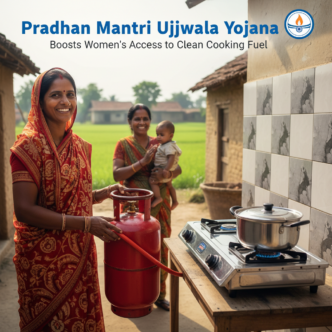
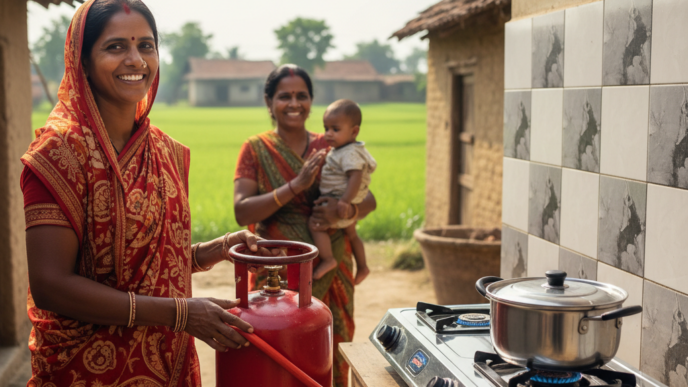
Primarily a cooking‑fuel initiative, the 2026 extension of Pradhan Mantri Ujjwala Yojana allocates dedicated funds for women beneficiaries in rural households, ensuring clean energy access. More than 10 million LPG connections have been allotted to women-headed families, drastically reducing indoor air pollution and associated respiratory ailments. The scheme also includes a subsidy for refill costs during the first year, encouraging sustained adoption of clean cooking technologies.
8. Swachh Bharat Mission (Rural) – Women’s Hygiene Component
The gender‑focused sub‑program of Swachh Bharat Mission (Rural) distributes sanitary pads and constructs women‑only toilets in schools and community centres. Between 2023 and 2026, over 15 million pads have been distributed, and sanitation coverage in target villages rose to 85 %. The initiative not only improves health outcomes but also encourages school attendance among adolescent girls, reducing dropout rates linked to lack of sanitation facilities.
9. National Women’s Fund
Established under the Ministry of Women and Child Development, the National Women’s Fund supports innovative projects that tackle gender‑based violence, economic inclusion, and leadership development. In its inaugural cycle, the fund allocated ₹500 crore to 120 NGOs, directly impacting more than 5 million women across urban and rural settings. Projects funded include crisis hotlines, legal aid cells, and skill‑upskilling bootcamps for women in technology and renewable energy.
10. Pradhan Mantri Mahila Kisan Sashaktikaran Yojana (PMKSY)
PMKSY empowers women farmers through targeted extension services, crop insurance, and market access facilitation. By 2026, more than 8 million women farmers had been enrolled, leading to an average 10 % increase in crop yields across participating states such as Punjab, Madhya Pradesh, and Odisha. The scheme provides specialised training on climate‑smart agriculture, access to micro‑irrigation, and direct market linkages via e‑NAM (National Agriculture Market), enhancing income stability for female cultivators.
Conclusion
Collectively, these ten schemes illustrate a comprehensive approach to women’s empowerment, weaving together financial inclusion, education, health, safety, and agricultural resilience. Measurable gains—rising school completion rates, increased micro‑enterprise growth, improved health outcomes, and higher agricultural productivity—signal the positive trajectory of gender‑responsive policymaking in India. However, sustained impact hinges on rigorous monitoring, equitable resource distribution, and continuous community engagement. International Women’s Day 2026 thus serves not only as a celebration of achievements but also as a clarion call to deepen gender‑responsive governance for a truly inclusive future.
Stay updated with the latest Yojana schemes and government initiatives for better awareness and eligibility. For personalized guidance on accessing these benefits, reach out to us.