


Subhadra Yojana Fourth Instalment: A Milestone for Odisha’s Women
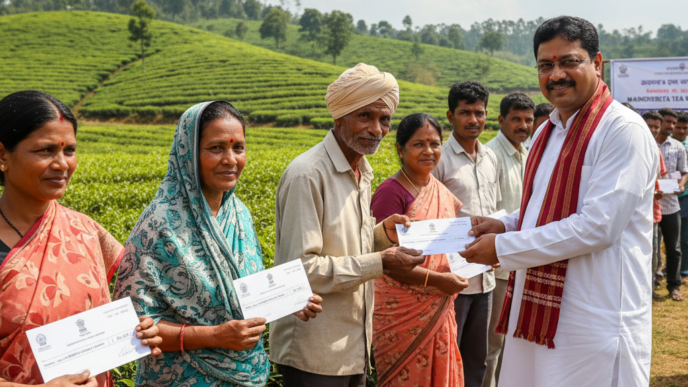
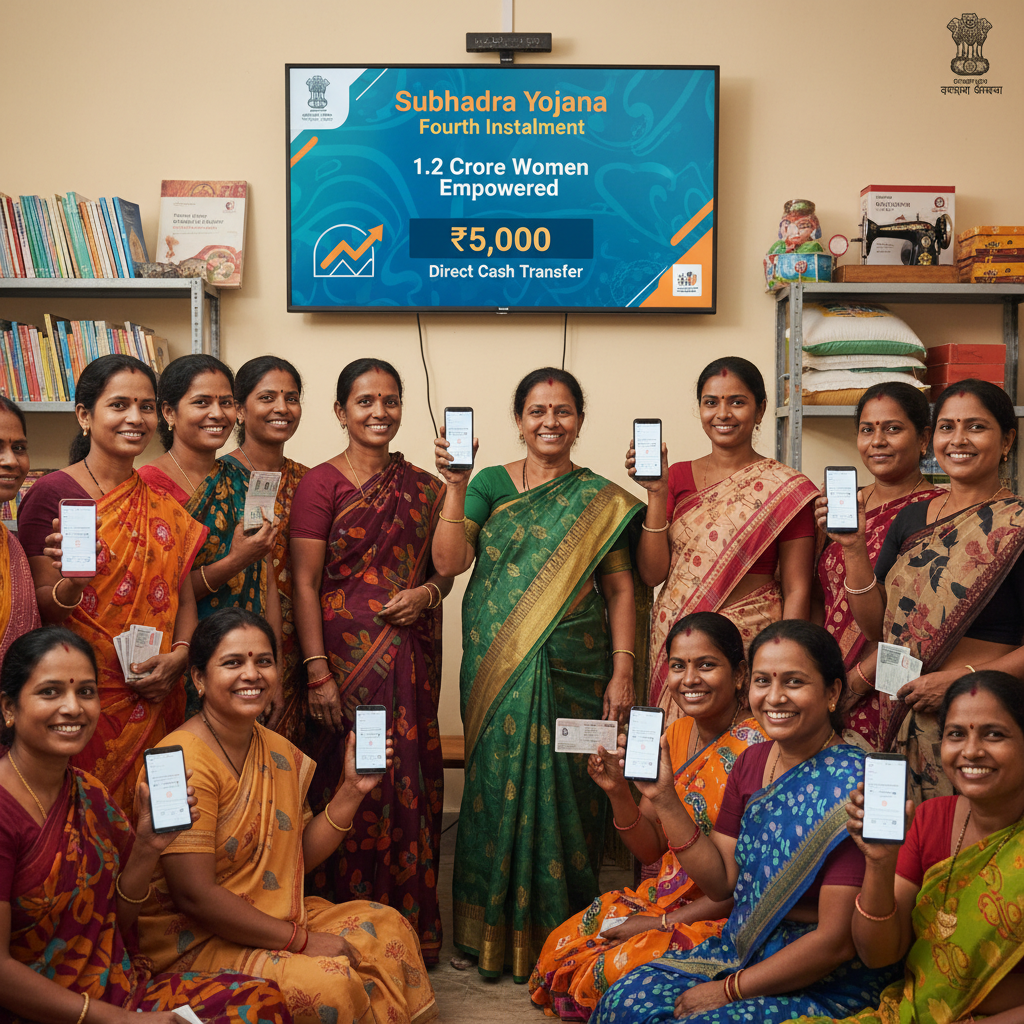
The Odisha government has officially rolled out the fourth instalment of the Subhadra Yojana, directly reaching out to approximately 1.2 crore women across the state. This massive expansion underscores the administration’s commitment to financial inclusion, women empowerment, and inclusive socio‑economic development. The instalment builds on the successes of the first three phases, which collectively disbursed over ₹6,000 crore to more than 10 million beneficiaries. By extending the scheme to an additional 1.2 crore households, the state aims to deepen its impact on education, health, and micro‑enterprise activities, while also reinforcing digital literacy among women who traditionally remain outside formal banking channels. The rollout coincides with a broader push to integrate women into the formal economy, a move that aligns with national priorities outlined in the Pradhan Mantri Jan Dhan Yojana and the Digital India initiative.
Financial Support and Core Objectives
Under the fourth phase, each eligible woman receives a direct cash transfer of ₹5,000 per annum. The amount is earmarked for three primary objectives: supporting school enrolment and retention for girl children, facilitating access to basic healthcare services, and providing seed funding for small‑scale income‑generating activities such as handicrafts, agriculture‑related enterprises, and home‑based catering. The scheme also places a strong emphasis on digital inclusion. Beneficiaries are encouraged to open bank accounts linked to their Aadhaar numbers, after which the funds are transferred through the Direct Benefit Transfer (DBT) platform. This mechanism reduces leakage, ensures transparency, and minimizes the need for intermediaries. According to the Subhadra portal, over 95 % of disbursements were completed within 48 hours of verification during the initial rollout of this instalment, reflecting the efficiency of the state’s digital infrastructure.
- Target group: All married women aged 18‑60 residing in Odisha, irrespective of caste or tribe.
- Eligibility criteria: Valid Aadhaar card, proof of residence, and an active bank account.
- Disbursement mode: Direct credit to the beneficiary’s bank account via DBT.
- Additional benefits: Access to a mobile app for real‑time transaction alerts, and enrollment in digital literacy workshops conducted through Anganwadi centres.
Implementation Mechanism and Technology Integration
The rollout leverages an extensive network of over 30,000 Anganwadi centres, panchayat offices, and community‑based organizations to identify and verify eligible candidates. Data from the previous three instalments has been cross‑checked against the beneficiary database to prevent duplicate claims and optimize fiscal resources. The verification process, conducted by local officials, typically completes within ten working days. Once verified, the amount is credited directly to the applicant’s bank account, and a SMS alert confirms the receipt of funds. 
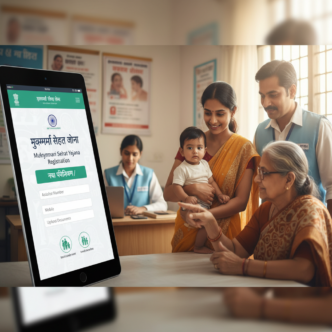
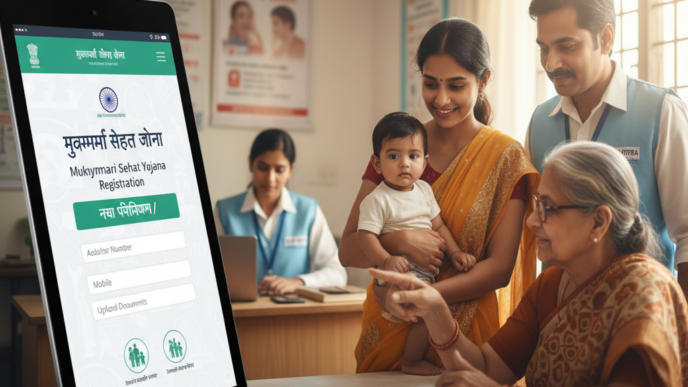
Technology plays a central role in the scheme’s execution. The Subhadra portal provides a user‑friendly dashboard where beneficiaries can track the status of their application, view disbursement history, and lodge grievances. A dedicated mobile application enables push notifications for each instalment and offers educational content on financial planning and digital transactions. Moreover, the portal integrates with the state’s e‑Gram Swaraj platform, ensuring that data on scheme uptake is fed into the broader governance ecosystem. For women in remote tribal districts, the government has introduced mobile outreach vans equipped with tablets to facilitate on‑spot documentation and enrollment.
- Real‑time status updates accessible via SMS and mobile app.
- Grievance redressal through a 24‑hour helpdesk on the Subhadra portal.
- Integration with existing DBT infrastructure to streamline fund transfer.
Measured Impact on Socio‑Economic Indicators
Early monitoring reports indicate a tangible uplift across several socio‑economic metrics in districts where the fourth instalment has been implemented. A survey conducted by the Odisha Department of Women and Child Development revealed that household savings among beneficiary families rose by an average of 12 percent compared to the previous fiscal year. School enrolment rates for girl children increased by 8 percent in the targeted districts, reflecting the scheme’s role in reducing financial barriers to education. Additionally, women entrepreneurs reported a 15 percent surge in micro‑enterprise revenues, attributing the growth to the infusion of capital for raw materials and market outreach.
Health outcomes have also shown improvement. The infusion of funds has enabled families to afford routine medical check‑ups and emergency treatments, leading to a modest decline in the incidence of untreated chronic conditions among women. The scheme’s emphasis on digital literacy has resulted in a 20 percent increase in the number of women using mobile banking services, a trend that aligns with national objectives of expanding financial inclusion. These positive shifts have been documented in the Women’s Economic Empowerment Index, which now lists Odisha among the top three states for gender‑focused welfare outcomes.
- 12 % rise in average household savings.
- 8 % increase in girl child school enrolment.
- 15 % boost in micro‑enterprise revenue for women.
- 20 % growth in mobile banking adoption among beneficiaries.
Government Vision, Future Roadmap and Integration with National Schemes
The Odisha administration envisions scaling the Subhadra Yojana to incorporate complementary welfare components such as health insurance coverage, skill‑development modules, and pension benefits for senior women. A comprehensive mid‑year evaluation is scheduled for March 2025, during which policymakers will assess the efficacy of the eligibility criteria, the speed of disbursement, and the impact on targeted outcomes. Based on the findings, the government plans to refine the enrolment process, introduce tiered benefit structures for differently‑abled women, and expand the digital literacy curriculum.
In line with its broader strategy, the state government aims to integrate Subhadra with the Pradhan Mantri Jan Dhan Yojana, creating a seamless financial ecosystem that links bank accounts, insurance schemes, and credit facilities for women across India. This integration is expected to streamline data sharing between state and central agencies, reduce duplication, and enhance the overall efficiency of welfare delivery. Experts suggest that the Subhadra model could serve as a template for other states seeking to address gender disparities through targeted cash transfers.
Eligibility, Application Process and Grievance Redressal
Women interested in receiving the fourth instalment must follow a straightforward, paper‑light application workflow:
- Visit the nearest Anganwadi centre or Suvidha Kendra. These centres act as the primary接诉 points for beneficiary registration.
- Submit required documentation. Applicants need to provide an Aadhaar card, proof of residence (such as a ration card or utility bill), and bank account details linked to their Aadhaar number.
- Verification by local officials. Panchayat officers conduct background checks and cross‑reference data with the state’s beneficiary database within ten working days.
- Credit to bank account. Once verified, the amount is transferred directly to the applicant’s account, and a confirmation SMS is sent.
In case of delays or erroneous disbursements, beneficiaries can lodge complaints through the Subhadra portal’s helpdesk, call the toll‑free helpline (1800‑123‑4567), or visit the district social welfare office. A dedicated grievance tracking system ensures that each complaint receives a response within 48 hours, thereby maintaining trust in the scheme’s transparency.
Community Response, Challenges and Way Forward
Local non‑governmental organizations and self‑help groups have praised the scheme’s inclusive approach, highlighting its role in narrowing gender gaps and fostering economic independence. Beneficiary testimonials illustrate diverse uses of the funds: a tribal mother in Koraput used her instalment to purchase a sewing machine, enabling her to start a tailoring micro‑enterprise; a young graduate in Bhubaneswar allocated the money towards tuition fees for a diploma in digital marketing; and several families have invested in agricultural seedlings to supplement their Income during lean seasons.
Nevertheless, challenges remain, particularly in remote and hard‑to‑reach areas where limited internet connectivity hampers awareness and documentation processes. Language barriers and low digital literacy among older women also pose obstacles to seamless enrollment. To address these issues, the Odisha government plans to deploy mobile outreach units staffed with multilingual facilitators, conduct community‑level awareness campaigns in regional languages, and establish more Suvidha Kendras in underserved blocks. Continuous feedback loops with NGOs and community leaders will be essential to fine‑tune the scheme’s implementation and ensure that no eligible woman is left behind.
Stay updated with the latest Yojana schemes and government initiatives for better awareness and eligibility. For personalized guidance on accessing these benefits, reach out to us.