


Investment Surge in Uttar Pradesh
Uttar Pradesh is witnessing an unprecedented influx of capital, with private and foreign investors committing more than ₹85,000 crore during the fiscal year 2025‑26 – a 42 percent jump over the previous year. The state’s “Industrial Investment Promotion Policy 2023” has been the catalyst, offering a 15 percent subsidy on capital expenditure, a single‑window clearance system, and relaxed land‑use norms that cut approval times from months to weeks. According to the Department for Promotion of Industry and Internal Trade (DPIIT), over 1,200 new projects have been green‑lit across sectors such as food processing, textiles, electronics, and renewable energy. Major multinational corporations including Tata Consumer Products, Samsung India, and LG Chem have announced multi‑billion‑rupee manufacturing hubs in Greater Noida, Kanpur, and Gorakhpur, citing the state’s climb from the 15th to the 7th position in the national composite ease‑of‑doing‑business index (World Bank, 2024). This surge is projected to create 350,000 direct jobs, with indirect employment estimates exceeding 1.2 million, thereby reshaping the socio‑economic landscape of the state.
The policy framework also emphasizes export‑oriented growth by linking eligible units with the Make in India initiative and providing priority access to the National freight corridor. By offering a streamlined land‑lease mechanism and ensuring compliance with environmental clearances within a 30‑day window, the government has reduced the average cost of setting up a manufacturing unit by an estimated 12 percent. These incentives have attracted not only large corporates but also a growing cohort of mid‑size enterprises from Southeast Asia and Europe, seeking a cost‑effective base with a large domestic market. The resulting capital inflow is expected to boost the state’s Gross State Domestic Product (GSDP) growth rate to above 9 percent by 2027, according to the Uttar Pradesh Economic Survey 2025.
Beyond raw numbers, the investment boom is driving ancillary development in logistics, skill training, and technology adoption. New logistics parks along the Gorakhpur–Varanasi corridor are reducing freight costs by up to 18 percent, while partnerships with institutions such as the Indian Institute of Technology Kanpur are facilitating research collaborations in advanced manufacturing and clean energy. The state’s proactive outreach to investors — through roadshows in Dubai, Singapore, and Frankfurt — has reinforced Uttar Pradesh’s reputation as a “Gateway to North India,” positioning it as a competitive alternative to traditional hubs like Maharashtra and Gujarat. 
Key Social Welfare Initiatives
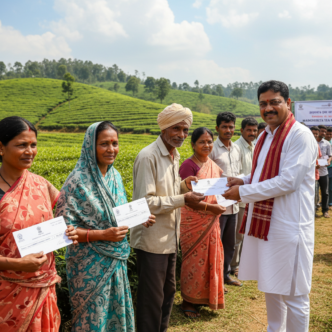
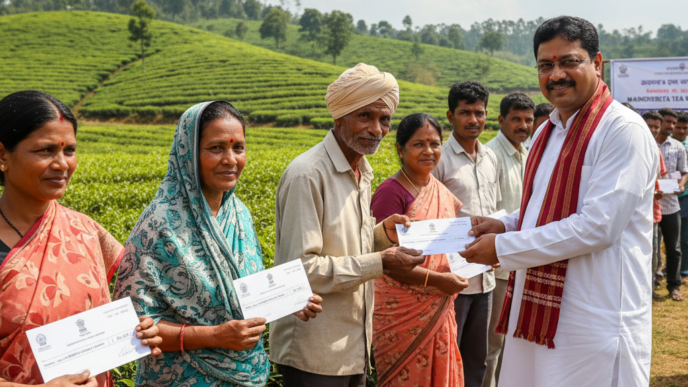
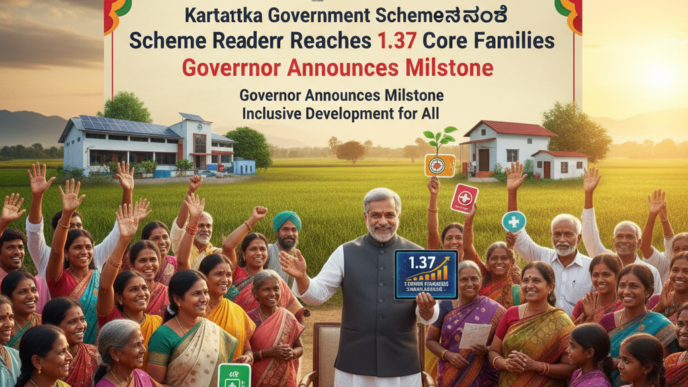
Parallel to the investment drive, the Yogi Adityanath administration has rolled out a suite of welfare schemes designed to ensure that growth translates into tangible improvements for citizens. The “Uttar Pradesh Awas Yojana” targets the construction of 500,000 affordable homes by 2027, prioritising families earning less than ₹15,000 per month. Eligibility is determined through a transparent digital portal that verifies income, occupation, and residence, ensuring that the most vulnerable receive priority. Since its inception, the scheme has already allotted 120,000 housing units, with a waiting list that reflects high demand in both urban and rural pockets.
Under the “Kisan Sashaktikaran Yojana,” farmers benefit from a guaranteed 10 percent increase in the Minimum Support Price (MSP) for staple crops such as wheat, rice, and sugarcane, alongside interest‑free loans up to ₹2 lakh for irrigation equipment. The program also includes a crop‑insurance component that covers natural calamities, reducing financial vulnerability. In the 2025‑26 season, over 2.3 million farmers have been enrolled, and early reports indicate a 6 percent rise in average net farm income compared to the previous year.
Gender‑focused empowerment is advanced through the “Mahila Kosh,” a dedicated fund of ₹2,000 crore that provides micro‑credit at concessional rates to women entrepreneurs. The scheme has already disbursed loans to more than 12,000 women‑led startups, ranging from handicrafts to digital services, fostering inclusive economic participation. Complementary initiatives include “Gratis Bijli,” which supplies free electricity connections to all rural households, and “Uttar Pradesh Arogya Kosh,” a health insurance scheme covering up to ₹5 lakh per family per year for 150 million citizens. These programs collectively aim to reduce poverty, improve health outcomes, and expand economic opportunities for marginalized communities.
- Free electricity connections for rural households under the “Gratis Bijli” program.
- Healthcare coverage for 150 million citizens through the “Uttar Pradesh Arogya Kosh”, offering up to ₹5 lakh per family per year.
- Skill development modules under the “Kaushal Vikas” initiative, targeting 1 million youth for placement in the private sector.
Synergy Between Investment and Welfare
What distinguishes the current policy mix is the deliberate linkage between capital inflows and social upliftment. Investors seeking incentives are required to meet specific Corporate Social Responsibility (CSR) benchmarks, allocating a minimum of 2 percent of profits to community development projects such as school construction, clean‑water initiatives, and women’s empowerment workshops. This conditionality ensures that economic gains are reinvested locally, creating a virtuous cycle of development.
To monitor this integration, the state has launched the “Welfare Impact Dashboard,” an online platform that tracks key performance indicators — including school enrolment rates, maternal mortality ratios, and poverty percentages — alongside financial metrics of incentivised enterprises. The dashboard, accessible at upwelfaredashboard.gov.in, provides real‑time data that enables policymakers to adjust incentives based on social impact outcomes, thereby fostering accountability and transparency.
Challenges and Future Outlook
Despite the encouraging statistics, several challenges remain. Infrastructure bottlenecks, particularly in road connectivity to remote districts, could deter larger manufacturers that rely on efficient supply chains. The state also faces a shortage of skilled labor in high‑tech sectors, prompting calls for accelerated vocational training programs and partnerships with private training institutes. Fiscal sustainability is another concern, as the government must balance subsidy expenditures with revenue targets, especially in the wake of reduced GST collections.
Looking ahead, the administration plans to launch a “Digital Uttar Pradesh” agenda aimed at attracting IT services and startup ecosystems by 2028. The vision includes developing technology parks in Noida and Lucknow, offering tax holidays for software firms, and upskilling 1 million youth through the “Kaushal Vikas” initiative. By 2030, the government aspires to position Uttar Pradesh as a benchmark for integrated development, where economic vigor and social welfare reinforce each other, ultimately improving the Human Development Index (HDI) score for the state.
Conclusion
Uttar Pradesh’s dual focus on attracting strategic investments and expanding welfare programmes under Chief Minister Yogi Adityanath reflects a comprehensive blueprint for sustainable development. By aligning fiscal incentives with social outcomes, the state is crafting a model that other Indian states may emulate. Continued monitoring of policy impact, coupled with adaptive governance, will be essential to translate this ambitious agenda into lasting prosperity for all citizens.
Stay updated with the latest Yojana schemes and government initiatives for better awareness and eligibility. For personalized guidance on accessing these benefits, reach out to us.