




Overview of the Meghalaya Labour Welfare Scheme
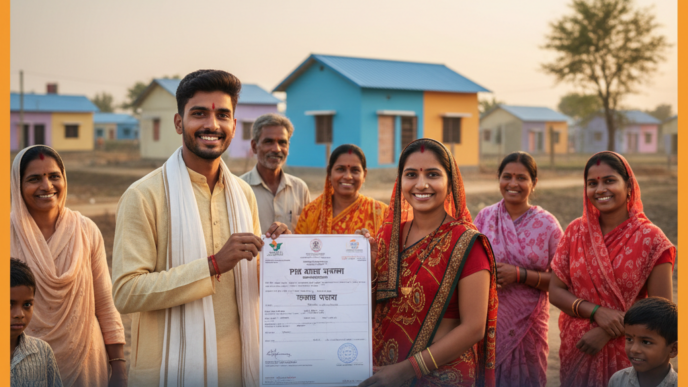
The Meghalaya Labour Welfare Scheme was launched in April 2019 by the state government to extend a basic social security net to workers operating in the informal sector, which comprises more than 80 percent of the state’s workforce. The programme promises a monthly stipend of INR 1,000 to each eligible unorganized laborer, coupled with health insurance coverage, maternity benefits, and a modest skill‑development grant. According to official data released by the Meghalaya Labour Department, the scheme targets citizens aged 18 to 60 who hold a valid domicile certificate and register with the state labour authority. The initiative was presented as a flagship welfare measure aligned with the national vision of “Sabka Saath, Sabka Vikas,” aiming to uplift marginalized communities in the hills and valleys of Northeast India. Its launch coincided with a period of heightened focus on migrant labor rights following the COVID‑19 pandemic, when many informal workers faced sudden income loss and inadequate access to healthcare.
Scheme Details and Registration
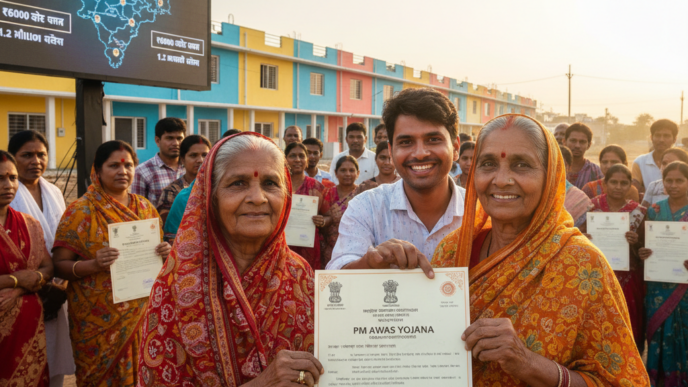
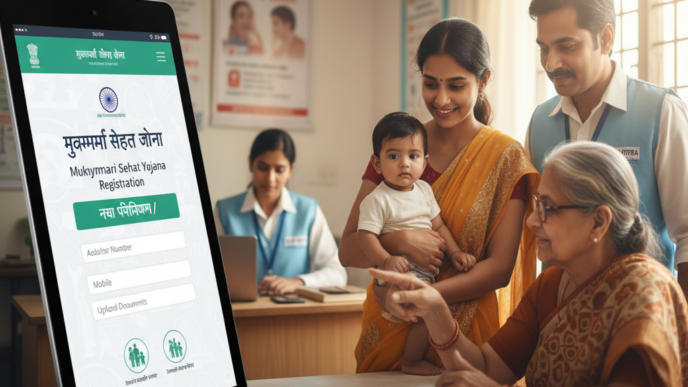
Under the stipulated eligibility criteria, applicants must submit a domicile certificate, proof of age, and a self‑declared income statement to the district labour office. Once verified, workers receive a unique registration number that links their details to a central database managed by the state IT division. By the close of 2025, the registry listed over 1.2 million registered beneficiaries, a figure the government highlighted as evidence of extensive outreach across both urban centers like Shillong and remote tribal villages. The registration portal, accessible via the official state website (labour.meghalaya.gov.in), also provides links to beneficiary guides, FAQs, and a downloadable application form. In addition to the monthly stipend, the scheme offers health insurance of up to INR 30,000 per annum, maternity leave compensation of INR 5,000 for eligible women, and a one‑time skill‑training grant of INR 2,000 for those enrolling in certified vocational courses. Critics argue that the modest benefit amounts may not substantially alter livelihoods, yet proponents contend that the scheme represents an essential first step toward comprehensive social protection for the state’s informal workforce.
Discrepancies Identified by CAG
The Comptroller and Auditor General of India (CAG) released its audit report on 28 February 2026, uncovering multiple irregularities that cast doubt on the scheme’s operational integrity. First, auditors found that up to 18 percent of the allocated budget was consumed by administrative overhead, including travel allowances for officials and procurement of software that was never fully deployed. Second, verification of beneficiary claims was plagued by insufficient documentation; many applications lacked supporting proof of income or employment status, making it difficult to confirm genuine need. Third, disbursement schedules were frequently irregular, with some beneficiaries receiving payments only after a two‑month lag, jeopardizing their ability to meet basic expenses. Fourth, the CAG noted a startling incidence of duplicate registrations, where a single individual appeared under multiple registration numbers due to lax data matching procedures. Finally, the audit highlighted the absence of an effective grievance redressal mechanism, leaving workers without a clear avenue to contest denied or delayed benefits. These findings have sparked a broader debate on the transparency and accountability of state‑run welfare programmes in India. 
Government’s Response and Planned Reforms
In reaction to the CAG’s observations, the Meghalaya chief minister’s office issued a public statement reaffirming the scheme’s priority and outlining a series of corrective measures. The state planning department announced the development of a digital verification platform that will cross‑check beneficiary data against the national Aadhaar database, aiming to eliminate duplicate entries and streamline eligibility confirmation. Additionally, a multi‑departmental task force comprising officials from the labour, finance, and IT ministries will conduct quarterly audits of the disbursement process, ensuring that fund flow aligns with approved expenditure plans. The government also pledged an additional allocation of INR 50 crore in the forthcoming 2026‑27 budget to reinforce monitoring infrastructure, including the hiring of independent auditors and the installation of real‑time transaction dashboards. These reforms are intended to enhance fiscal discipline, improve beneficiary verification, and restore public confidence in the scheme’s delivery mechanism.
Expert Opinions and Structural Challenges
Experts caution that technological upgrades alone cannot resolve the deeper structural challenges confronting the programme. Dr. Amita Singh, a labour economist at the Indian Institute of Management Shillong, emphasized that fragmented data collection across districts and the lack of a unified beneficiary database undermine any attempts at precise targeting. She argued that without standardized criteria and a transparent audit trail, similar irregularities will likely recur. Civil society organisations have called for the establishment of an independent oversight committee that includes representatives from NGOs, academic institutions, and beneficiary groups, to ensure accountability and provide a platform for grievances. Furthermore, analysts point out that the modest benefit amounts may insufficiently address the socio‑economic vulnerabilities of informal workers, many of whom lack stable employment contracts or social safety nets. Consequently, they recommend complementary measures such as guaranteed minimum wages, access to micro‑credit, and integration with national schemes like the Pradhan Mantri Shram Yogi Maan-dhan (PM-SYM) to create a more robust safety net.
Broader Implications for Welfare Policy
The audit’s revelations extend beyond Meghalaya, offering a cautionary blueprint for other Indian states contemplating similar welfare initiatives for the informal sector. As the nation strives to expand its social safety net, the incident underscores the necessity of embedding robust fiscal controls, real‑time monitoring, and citizen‑centric grievance mechanisms into every programme design. Policy analysts stress that a one‑size‑fits‑all approach can be ineffective when applied to diverse socio‑economic contexts, urging policymakers to tailor schemes to local realities and embed periodic independent audits as a statutory requirement. The findings also highlight the importance of public transparency, suggesting that regular publishing of expenditure reports and beneficiary data can deter fund diversion and enhance citizen trust. Ultimately, the Meghalaya experience serves as a reminder that welfare programmes must be coupled with strong governance frameworks to ensure that assistance reaches the intended recipients without leakage.
Three‑Pronged Strategy for Rectification
The CAG’s report recommends a three‑pronged approach to rectify the identified shortcomings and restore programme efficacy. First, it calls for an immediate freeze of disbursements to any beneficiary whose documentation remains unverified until a comprehensive verification exercise is completed. Second, implementation of a blockchain‑based ledger to record each financial transaction is proposed, enhancing traceability and reducing opportunities for fund diversion. Third, the establishment of a 24/7 grievance redressal portal will enable workers to lodge complaints and receive timely resolutions. These measures are designed to work synergistically, creating a transparent, accountable, and responsive system. The proposed actions include:
- Freeze disbursements to unverified beneficiaries.
- Implement blockchain‑based ledger for transaction traceability.
- Launch a 24/7 grievance redressal portal.
Long‑Term Outlook and National Relevance
Looking ahead, the success of these corrective actions will depend on political commitment and collaborative engagement among state agencies, civil society, and the affected worker communities. If Meghalaya can demonstrate measurable improvements in fund utilization and beneficiary satisfaction, it may unlock additional central funding under the National Social Protection Scheme, enabling scaling of best practices to other states. Moreover, a transparent and accountable welfare model could attract private sector partnerships, fostering complementary programmes such as skill‑training incubators and micro‑enterprise grants. On a national level, the Meghalaya experience may inform a unified framework that ensures welfare benefits reach intended recipients without leakage, reinforcing India’s commitment to inclusive development. Stakeholders across the country are watching closely, anticipating that lessons learned from this audit will shape the future design and implementation of similar schemes nationwide.
Call to Action for Stakeholders
Stakeholders—including civil society organisations, media outlets, academic institutions, and concerned citizens—are urged to remain vigilant and actively monitor the scheme’s implementation. Continuous public reporting and independent audits are essential to sustaining pressure on policymakers to fulfil their promises. By fostering a culture of transparency and accountability, Meghalaya can not only restore public trust in its welfare programmes but also pave the way for a more equitable and resilient socio‑economic landscape across India. Collaborative efforts, such as community‑led verification drives and citizen‑journalism initiatives, can further amplify oversight and ensure that the benefits intended for vulnerable workers are delivered without delay or diversion.
Stay updated with the latest Yojana schemes and government initiatives for better awareness and eligibility. For personalized guidance on accessing these benefits, reach out to us.