


Overview of PM Awas Yojana
The Pradhan Mantri Awas Yojana (PMAY) is a flagship programme of the Government of India launched in 2015 with the ambition of “Housing for All” by the year 2022. It adopts a multi‑pronged approach that combines credit‑linked subsidies, in‑situ rehabilitation, affordable housing in partnership and beneficiary‑ownership models. According to the Ministry of Housing and Urban Affairs, over 20 million houses have been sanctioned across the country since its inception, benefitting low‑income families in both urban and rural settings. The scheme’s four verticals are designed to address the diverse housing deficits of India’s sprawling urban agglomerations and remote rural hamlets. For more detailed official information, you can refer to the PMAY portal.
Rajim: Strategic Focus of the Scheme
Rajim, a sub‑division in the Gariaband district of Chhattisgarh, was identified as a priority area for PMAY implementation owing to its high poverty index, rapid industrial growth and acute shortage of pucca housing. Recent census data reveals that more than 30 % of households in Rajim live in kutcha dwellings without reliable electricity, water or sanitation. The influx of migrant workers for nearby steel and cement projects has further intensified the demand for permanent, affordable homes. Recognising these dynamics, the Chhattisgarh government earmarked Rajim under the PMAY‑Urban component, allocating land parcels near emerging industrial corridors for new housing clusters. The state also pledged to augment complementary infrastructure—roads, schools and health centres—to ensure holistic development of the area.
Project Design, Features and Allocation
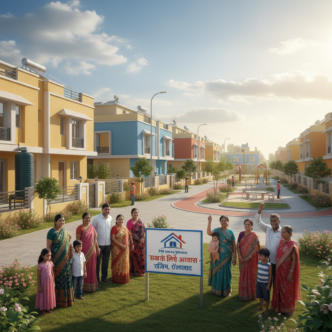
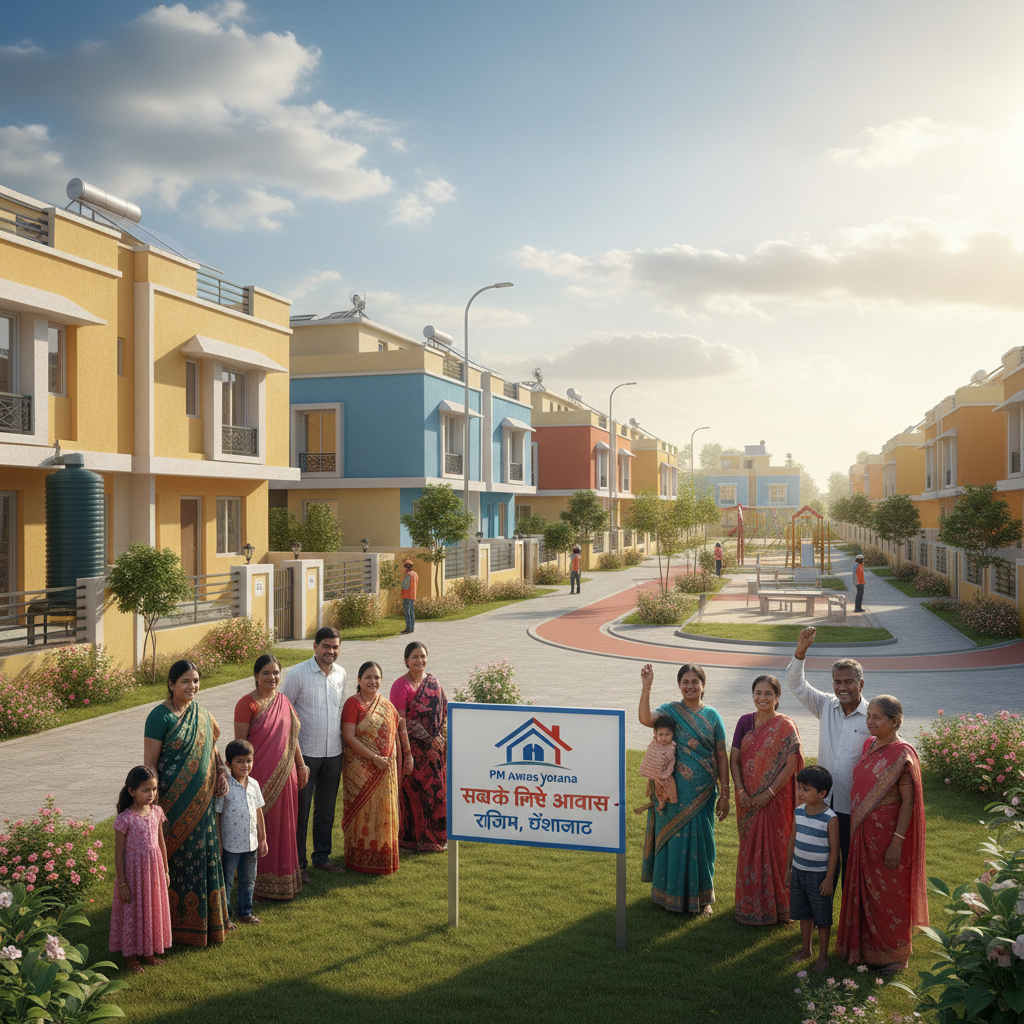
The Rajim housing project envisions a mix of low‑rise apartments and multi‑storey blocks that comply with national green building standards. Each unit is equipped with piped water, electricity connections, broadband internet and a dedicated sanitation block. The design incorporates rain‑water harvesting, solar‑powered street lighting and wide pedestrian pathways to promote sustainable living. Under the first phase, 2,500 homes are slated for construction, with a strong focus on allotting units to scheduled tribe and scheduled caste families, women‑headed households and senior citizens. The scheme provides a direct interest subsidy of up to ₹2.67 lakh, reducing the effective cost of a three‑bedroom unit to under ₹10 lakh. Local materials such as fly‑ash bricks and eco‑friendly concrete are prioritised to minimise the carbon footprint. 
- Allocation of 2,500 housing units in the first phase
- Preference for Scheduled Tribe and Scheduled Caste families
- Integration with MGNREGA for construction labour
- Transparent allotment through an online portal
- Community amenities: halls, play zones, jogging tracks
Beneficiary Selection, Eligibility and Financial Support
Eligibility for PMAY in Rajim is determined through a rigorous socio‑economic survey that evaluates income levels, existing housing conditions and land ownership. Households that own no pucca house, live below the poverty line or are headed by women or senior citizens receive top priority. Applicants must furnish Aadhaar, income certificates, land records and a self‑declaration of housing status. A verification committee comprising officials from the Rural Development Department, Gram Panchayat representatives and civil‑society observers conducts the final selection to ensure transparency. Once identified, beneficiaries are linked to partner banks for credit‑linked home loans. The central government’s interest subsidy is automatically transferred to the lending institution, lowering the effective borrowing cost. In Rajim, more than ₹150 crore in loan facilities have been sanctioned, with an average loan size of ₹5 lakh per family.
Monitoring, Impact and Future Outlook
Effective monitoring is achieved through a real‑time dashboard that aggregates data on construction progress, fund utilisation and beneficiary feedback. Monthly review meetings involving the Housing Department, finance officers and technical experts track key performance indicators such as units completed, average cost per house and quality compliance. A dedicated grievance redressal portal enables residents to lodge complaints online, with statutory timelines for resolution, thereby fostering accountability. Early impact assessments indicate improved health outcomes, higher school enrolment among children and increased household incomes due to temporary employment generated during construction. Looking ahead, the state plans to scale the project to adjoining villages, integrate rooftop solar installations and adopt smart‑city technologies such as IoT‑enabled waste management, aiming to create a replicable model of inclusive, sustainable housing for the region.
Stay updated with the latest Yojana schemes and government initiatives for better awareness and eligibility. For personalized guidance on accessing these benefits, reach out to us.