


Overview of the Tamil Nadu Rs 5,000 Assistance Scheme for Women
The Tamil Nadu government, under the stewardship of Chief Minister M. K. Stalin, has launched a targeted cash‑transfer initiative commonly referred to as the Tamil Nadu Rs 5,000 scheme. The programme is designed to deliver a one‑time financial injection of Rs 5,000 directly into the bank accounts of eligible women, thereby addressing short‑term liquidity gaps and stimulating micro‑economic activity at the household level. By leveraging the existing digital beneficiary database, the scheme ensures that funds are transferred securely through the state’s welfare portal, minimizing intermediaries and reducing the risk of leakages. The initiative aligns with Tamil Nadu’s broader strategy of poverty alleviation, financial inclusion, and women’s empowerment, echoing successful direct‑cash‑transfer models observed in other Indian states and globally.
The Economic and Social Rationale Behind the Tamil Nadu Rs 5,000 Direct Cash Transfer
Direct cash transfers have emerged as a pragmatic tool for poverty mitigation, offering recipients the flexibility to prioritize expenditures that best suit their immediate needs—whether it be medical care, educational materials, or small‑scale business investments. The Tamil Nadu Rs 5,000 scheme capitalizes on this flexibility, aiming to boost household consumption, improve child schooling rates, and encourage entrepreneurial aspirations among women who traditionally face barriers to capital access. Moreover, the infusion of liquidity is expected to generate a modest multiplier effect within local economies, as beneficiaries spend the funds at neighborhood merchants, thereby stimulating demand for goods and services. Analysts note that, compared with in‑kind subsidies, cash assistance reduces administrative overhead and can be rolled out swiftly through existing digital infrastructure, a critical advantage highlighted in recent policy briefs on direct cash transfers.
Eligibility, Enrollment, and Technical Implementation
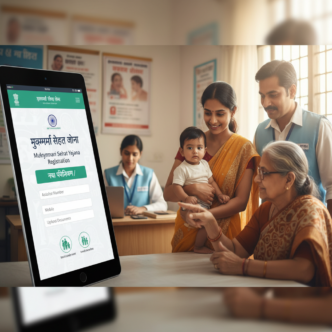
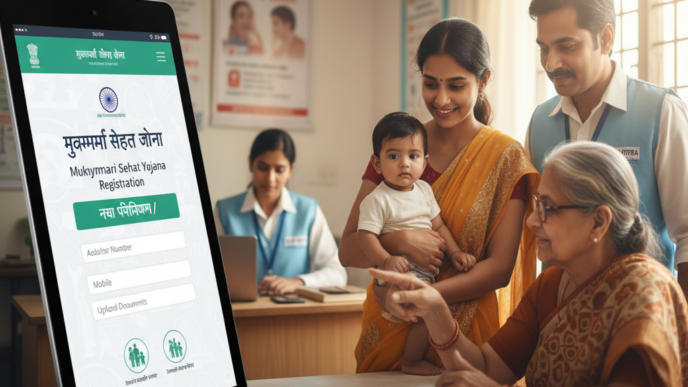
To qualify for the Tamil Nadu Rs 5,000 scheme, a woman must be a resident of the state, demonstrate eligibility based on income thresholds defined by the Department of Social Justice, and be registered in the state’s digital beneficiary database. Priority is given to heads of households, single mothers, and individuals classified under the Below Poverty Line (BPL) category. The enrollment process is largely automated: applicants submit verified identity and income documentation through an online portal, after which the system cross‑checks against existing welfare registers before sanctioning the transfer. Once approved, the amount is credited directly to the beneficiary’s linked bank account within 48 hours, ensuring a seamless and transparent disbursement cycle. The scheme’s technical backbone utilizes the state’s e‑Kalyan platform, which integrates with the national Aadhaar‑based verification ecosystem, thereby enhancing data integrity and reducing duplication. 
Testimonials and Real‑World Impact Reported by Beneficiaries
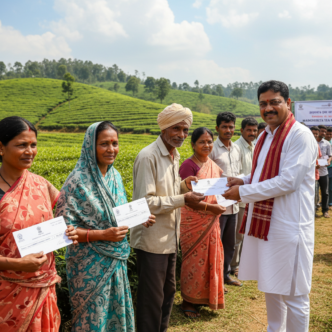
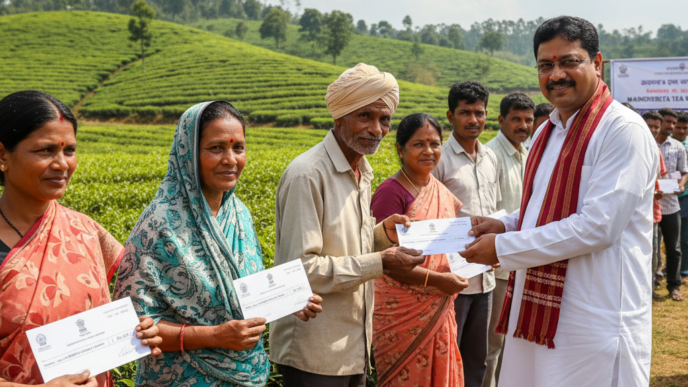
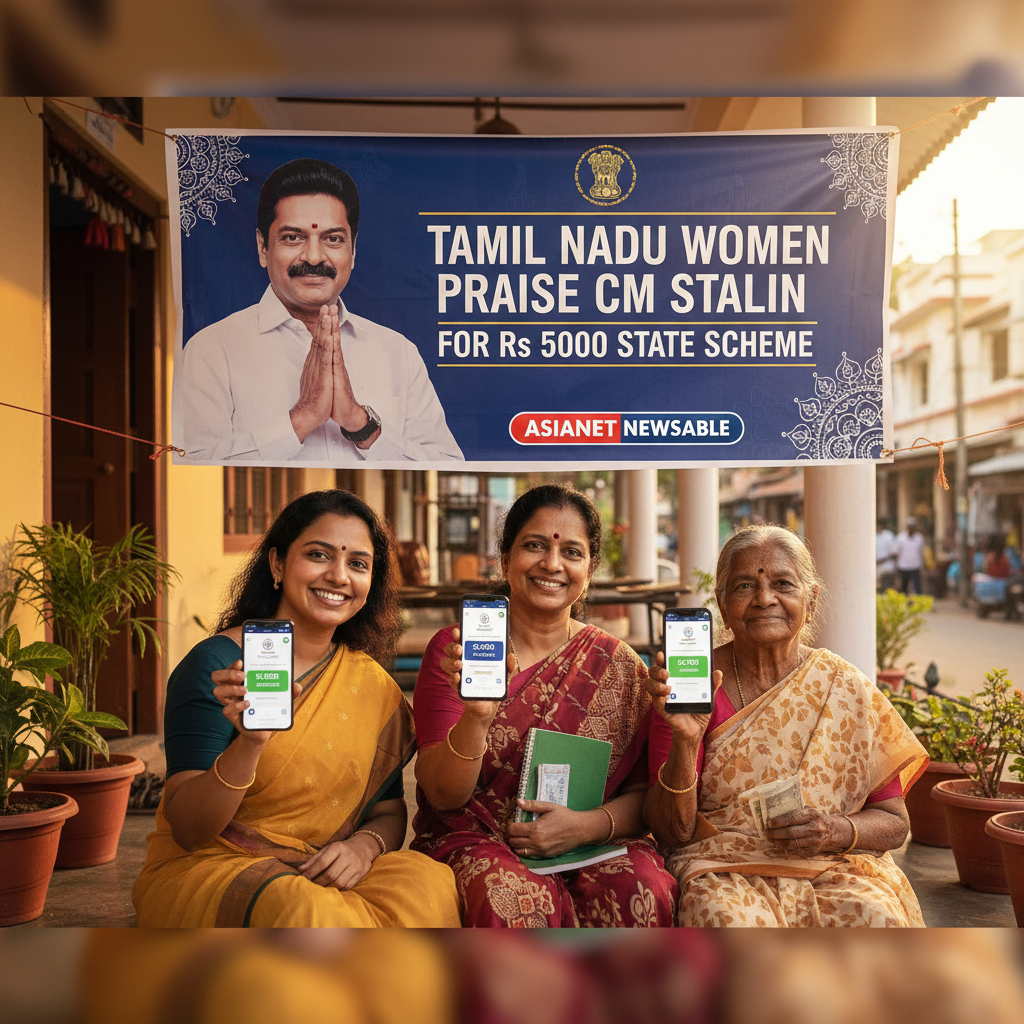
In field interviews conducted by Asianet Newsable, numerous women described how the Rs 5,000 infusion reshaped their financial trajectories. The following benefits were repeatedly highlighted:
- Improved financial stability: Families experiencing temporary hardships reported a reduction in debt and an increased capacity to meet daily expenses.
- Immediate need fulfillment: The funds enabled purchases of essential items such as food, clothing, and medical supplies, preventing the escalation of health crises.
- Catalyst for entrepreneurship: Several recipients used the cash to seed small ventures, including tailoring, home‑based food preparation, and handicraft production, laying the groundwork for sustainable income streams.
One mother of two, Priya from Chennai, explained, “The moment the money landed in my account, I repaired the leaking roof of my house and paid my children’s school fees. It felt like a safety net that caught us just in time.” Another beneficiary, Meena, stated that the psychological boost of receiving state trust encouraged her to enroll in a government‑run skill‑development program, with ambitions of launching a small tailoring business to fund her daughters’ education.
Community Reactions and Stakeholder Feedback
The rollout of the Tamil Nadu Rs 5,000 scheme has sparked a wave of positive sentiment across urban and rural locales alike. Community leaders and non‑governmental organizations have praised the initiative for its inclusivity and speed, while also urging the government to institute robust monitoring mechanisms to safeguard against fraud and duplicate payments. In a recent round‑table discussion, the Tamil Nadu Women’s Federation emphasized the need for transparent grievance redressal channels, stating that “beneficiaries must feel assured that their entitlement will not be revoked arbitrarily.” Meanwhile, opposition parties have framed the scheme as a political maneuver, yet they have refrained from outright opposition, acknowledging the tangible relief it brings to many households.
Broader Welfare Context and Future Scaling Plans
The Rs 5,000 cash assistance is embedded within a constellation of complementary schemes launched by the Tamil Nadu administration, including the Kalaignar Magalir Urimai monthly stipend for low‑income women and the Tamil Nadu Women’s Empowerment Program that offers micro‑credit and vocational training. By integrating these initiatives, the state aims to construct a layered safety net that addresses both immediate consumption needs and long‑term capacity building. According to a recent impact assessment released by the Department of Social Justice, the scheme has already reached over 200,000 households within its first three months, contributing to a modest uptick in school enrollment rates among children of beneficiary families. Looking ahead, the chief minister’s office has signaled a six‑month review period, after which data‑driven adjustments will guide scaling strategies—potentially expanding eligibility criteria and refining the digital payment pathway to accommodate more beneficiaries.
Overall, the Tamil Nadu Rs 5,000 scheme exemplifies a forward‑looking, technology‑driven approach to welfare delivery, emphasizing transparency, efficiency, and empowerment. As the program matures, continuous stakeholder engagement and rigorous impact evaluation will be pivotal in ensuring that the initiative reaches the most vulnerable while upholding fiscal responsibility.
Stay updated with the latest Yojana schemes and government initiatives for better awareness and eligibility. For personalized guidance on accessing these benefits, reach out to us.