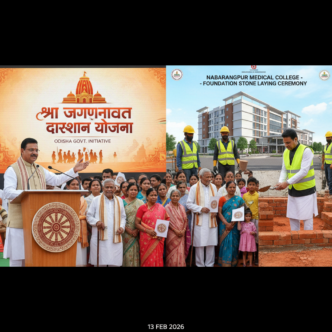



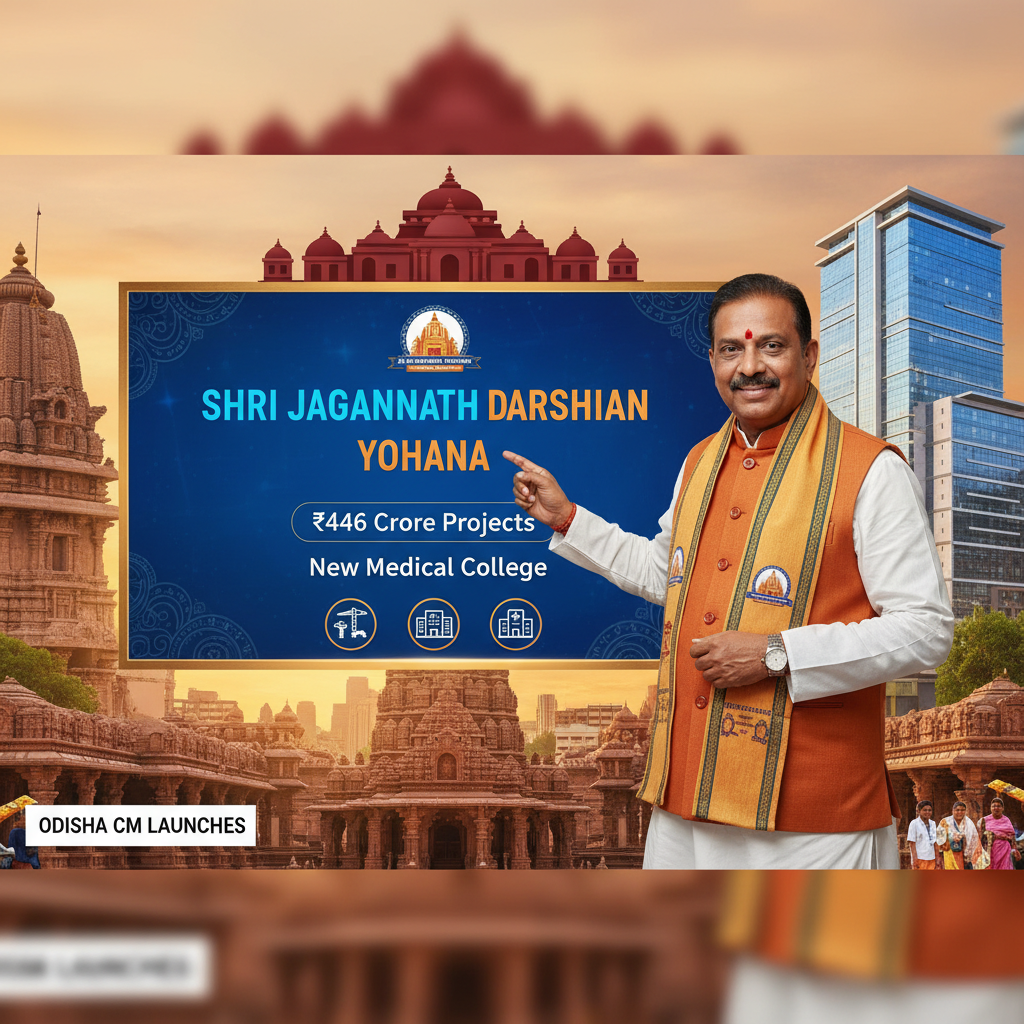
Overview of Shri Jagannath Darshan Yojana
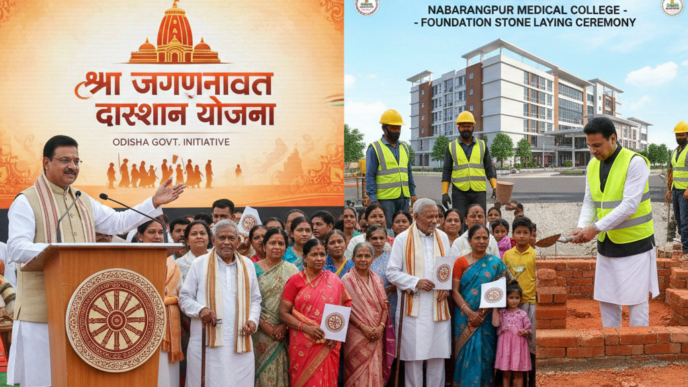
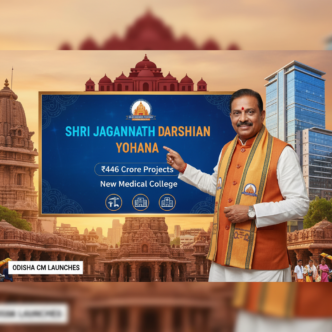
Odisha Chief Minister Mohan Charan Majhi officially launched the Shri Jagannath Darshan Yojana on 12 January 2025, unveiling a ₹446 crore programme aimed at revamping pilgrimage infrastructure, expanding healthcare capacity and boosting cultural tourism in the coastal district of Puri. The initiative directly addresses the long‑standing congestion and inadequate medical services that pilgrims and locals have faced for decades, positioning the state as a modern hub for one of India’s most revered spiritual destinations. By integrating large‑scale construction, skill‑development schemes and heritage preservation, the scheme seeks to create a sustainable ecosystem that benefits pilgrims, residents and the broader economy.
Key Components and Financial Allocation
The Shri Jagannath Darshan Yojana is structured around five pillars that together account for the full ₹446 crore budget:
- Modern parking and queuing facilities at the Singhadwar, Nakash‑Bari and other temple gateways, designed to cut average waiting time by up to 30 minutes during peak seasons.
- Road and rail connectivity upgrades, including the widening of the Puri‑Bhubaneswar national highway segment and the addition of a new rail siding to facilitate freight and passenger movement.
- Establishment of Jagannath Medical College, a 250‑seat MBBS institution equipped with a teaching hospital, research labs and specialty departments in cardiology, neurology and community medicine.
- Skill‑development programmes for youth and women focusing on hospitality, digital marketing and handicraft entrepreneurship, with an allocation of ₹38 crore.
- Cultural preservation projects encompassing the restoration of ancient temples, archaeological sites and the creation of a heritage museum, funded at ₹22 crore.
The financial outlay is distributed across three fiscal phases: Phase 1 (2026‑27) initiates ground‑breaking for the medical college and parking structures; Phase 2 (2027‑28) completes medical‑college infrastructure and launches training modules; Phase 3 (2028‑29) finalises all upgrades, conducts impact assessments and prepares a roadmap for future enhancements. 
Projected Impact on Pilgrimage, Tourism and Healthcare
Government estimates project a 15 % increase in annual pilgrim footfall over the next five years, translating into an additional ₹1,200 crore of tourism revenue for Odisha. The Shri Jagannath Darshan Yojana is expected to deliver concrete benefits across three sectors:
- Enhanced visitor experience: New multi‑level parking decks and electronic queuing systems will streamline movement, reducing congestion on the historic Mallika Marg.
- Economic upliftment: Ancillary businesses—hotels, transport services and food vendors—are forecast to create over 12,000 direct and indirect jobs, while state tourism receipts could surge by 18 % annually.
- Healthcare accessibility: Jagannath Medical College, with an initial intake of 250 MBBS students, will provide specialised care for residents of Puri, Khordha and surrounding districts, lowering average treatment costs by an estimated 20 % for low‑income families.
According to the Jagannath Temple Wikipedia page, over 1 crore devotees visit the shrine each year; the scheme aims to handle this influx more efficiently while preserving the site’s spiritual ambience.
Implementation, Governance and Mitigation of Challenges
Execution of the Shri Jagannath Darshan Yojana is overseen by a multi‑departmental steering committee led by the Department of Tourism, with co‑ordination from the Public Works Department, Health & Family Welfare, and Higher Education. A dedicated monitoring cell will employ GIS‑based mapping and a real‑time dashboard to track construction progress, budget utilisation and pilgrim demographics. To address anticipated challenges, the government plans:
- Intelligent traffic‑management systems that use AI‑driven sensors to regulate vehicle flow during peak hours.
- Public‑private partnership (PPP) models for financing parking structures and heritage restoration, ensuring fiscal sustainability.
- Environment‑friendly construction standards, including green‑building certifications and waste‑to‑energy initiatives, to protect Puri’s fragile coastal ecosystem.
These mitigation strategies are designed to safeguard against congestion, funding gaps and environmental degradation, thereby ensuring the long‑term viability of the scheme.
Stay updated with the latest Yojana schemes and government initiatives for better awareness and eligibility. For personalized guidance on accessing these benefits, reach out to us.