


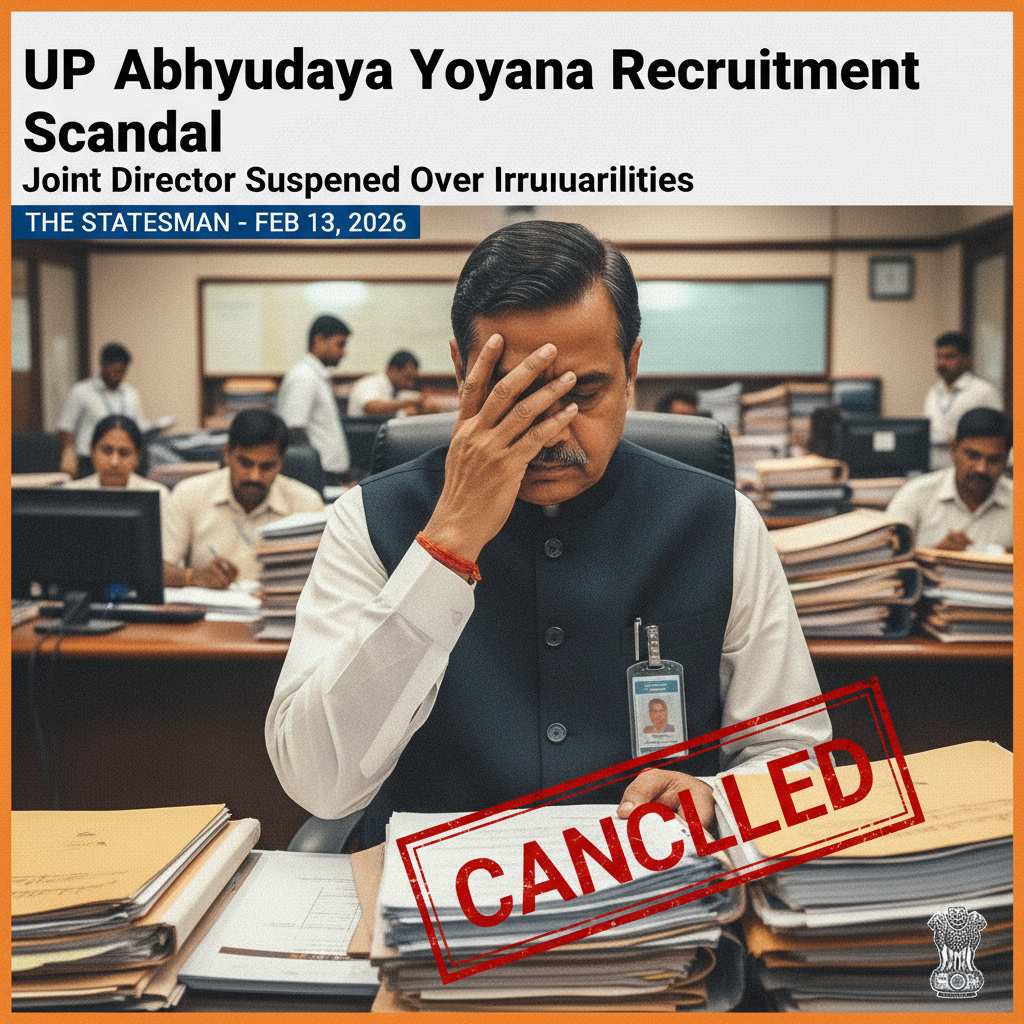
Abhyudaya Yojana Recruitment Scandal: Suspension of Joint Director
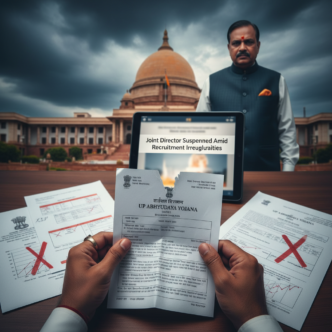
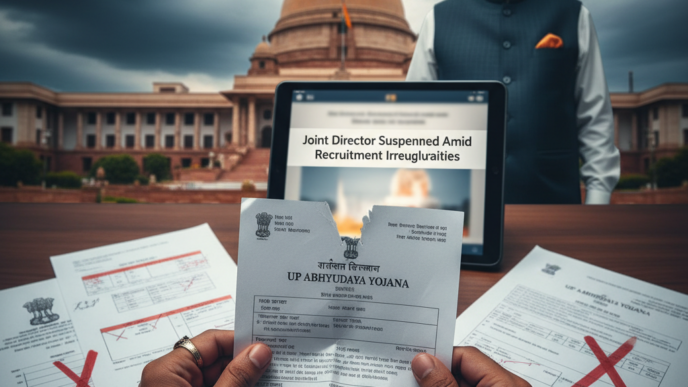
New Delhi, March 20 2026— The Uttar Pradesh government sparked a political firestorm on Tuesday when it announced the immediate suspension of Joint Director Ramesh Chandra Singh following startling revelations of irregularities in the recruitment process for the Abhyudaya Yojana. The action, disclosed by a statement from the Chief Minister’s Office, comes after a whistle‑blower complaint and a forensic audit uncovered manipulated merit lists, bypassed reservation quotas, and a shadow network of private coaching firms influencing selections. The episode has ignited a broader debate on transparency in the state’s flagship welfare initiative, which is designed to uplift marginalized youth through free coaching and skill development.
Background of the Abhyudaya Yojana
Launched in July 2022 under the Department of Social Welfare, the Abhyudaya Yojana targets students from Scheduled Castes (SC), Scheduled Tribes (ST), Other Backward Classes (OBC), and economically weaker sections across Uttar Pradesh. The scheme promises a suite of benefits: free enrollment in accredited coaching centres, mentorship from industry professionals, and a modest stipend to cover study material and travel expenses. Eligibility criteria require applicants to be between 18 and 25 years of age, possess a family annual income below ₹3 lakh, and meet academic thresholds set for each coaching stream. Since its inception, the program has supported over 45,000 candidates, partnered with more than 120 private institutes, and contributed to a measurable rise—estimated at 12 percent—in higher‑education enrolment among targeted communities.
Alleged Irregularities in the 2025 Recruitment Drive
The 2025 recruitment round, originally slated toappoint 1,200 coaching mentors, became the epicentre of controversy. According to the investigative report published by the independent watchdog Transparency International India, the Joint Director allegedly altered cutoff marks without official sanction, favouring candidates linked to politically influential families. Key irregularities identified include: 
- Manipulated merit lists: Scores of certain applicants were inflated by up to 20 percent despite failing to meet baseline eligibility.
- Reservation violations: Quotas for SC, ST, and women candidates were ignored, allowing general‑category candidates to占据 reserved slots.
- Conflict of interest: A private coaching consortium reportedly supplied “preferred referrals” in exchange for undisclosed monetary payments to the Joint Director.
- Financial improprieties: Stipends for selected mentors were disbursed through private bank accounts, bypassing the state treasury and evading audit trails.
Whistle‑blowers claim that the irregularities persisted over a three‑month period, during which at least 300 deserving candidates were rejected without transparent justification, while less‑qualified appointees received contracts.
Impact on Beneficiaries and Public Trust
The fallout threatens to undermine the very purpose of Abhyudaya Yojana, which relies heavily on community confidence to attract volunteers and partner institutions. Educationists warn that perceived favouritism can deter high‑performing students from applying, eroding the meritocratic ethos essential for upliftment programs. Civil society groups such as the PRS India Foundation have called for an independent oversight body to monitor future recruitments, arguing that a transparent grievance redressal portal could mitigate future scandals. Moreover, the scandal has reignited public discourse on the broader landscape of state‑sponsored welfare schemes, prompting comparisons with similar initiatives in Madhya Pradesh and Rajasthan that have also faced scrutiny over procedural lapses.
Government Response and Reform Agenda
In direct response to the audit findings, the Uttar Pradesh administration announced a temporary freeze on all new recruitment under the Abhyudaya Yojana, effective immediately. A high‑level task force, chaired by Principal Secretary of Social Welfare Dr. Anjali Mehra, has been mandated to overhaul the recruitment framework within 30 days. The proposed reforms include:
- Digital verification: Implementing an AI‑driven platform that cross‑checks candidate credentials, scorecards, and reference documents in real time.
- Independent audit panel: Inviting third‑party auditors from the Comptroller and Auditor General (CAG) to conduct quarterly reviews of merit‑based selections.
- Transparent grievance redressal: Launching a dedicated portal where applicants can lodge complaints and receive status updates within 48 hours.
- Financial governance: Restricting stipend disbursements to the state treasury, ensuring traceability and accountability of all payments.
The government also pledged to release a comprehensive policy document that will outline revised eligibility criteria, stricter conflict‑of‑interest disclosures for officials, and a mandatory ethics training module for all recruitment personnel. Stakeholders, including beneficiaries and coaching partners, have been invited to participate in a consultative workshop scheduled for early April 2026, aiming to embed community feedback into the final reforms.
Stay updated with the latest Yojana schemes and government initiatives for better awareness and eligibility. For personalized guidance on accessing these benefits, reach out to us.