




Delhi’s Lakhpati Bitiya Yojana Brings New Hope for Women Entrepreneurs
Delhi Chief Minister Rekha Gupta unveiled the Lakhpati Bitiya Yojana on February 10, 2026, a landmark program designed to inject INR 1 lakh of seed capital into the ventures of aspiring women entrepreneurs across the National Capital Territory. The initiative aligns with national goals of financial inclusion and seeks to close the gender wealth gap that has persisted in urban India for decades. By targeting women who meet specific income and residency criteria, the scheme promises not only monetary support but also a comprehensive ecosystem of training, mentorship, and market access. Officials anticipate that the Lakhpati Bitiya Yojana will catalyze the creation of thousands of micro‑enterprises, driving employment and economic resilience for women from diverse backgrounds.
Government Announces Vision and Objectives
During a press briefing at the Delhi Secretariat, Minister Gupta emphasized that the Lakhpati Bitiya Yojana is more than a financial grant; it is a strategic intervention to empower women to transition from informal work to sustainable entrepreneurship. The government highlighted three core objectives: first, to increase women’s participation in the formal economy; second, to foster innovation in sectors such as health, education, and green technology; and third, to generate measurable socio‑economic outcomes that can be replicated in other states. The scheme is expected to dovetail with existing national programs such as the Pradhan Mantri Mudra Yojana and the Stand‑Up India scheme, creating a layered support structure for women‑led enterprises.
Eligibility Criteria and Application Process
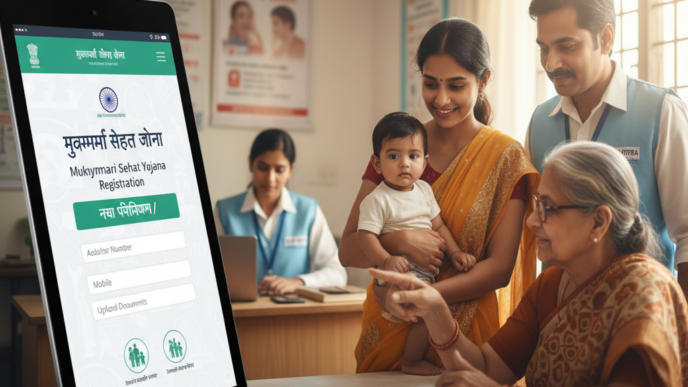
To qualify for the Lakhpati Bitiya Yojana, applicants must be residents of Delhi for at least two consecutive years, possess a valid Aadhaar card, and have an annual household income below ten lakh rupees. The scheme also requires a viable business plan that demonstrates potential for income generation and scalability. Applications can be submitted through an online portal hosted by the Delhi Government’s Department of Women & Child Development or at designated district offices. The portal integrates with existing welfare databases, allowing authorities to verify income and residency automatically, thereby reducing bureaucratic delays and improving transparency. 
One‑Time Grant and Financial Mechanics
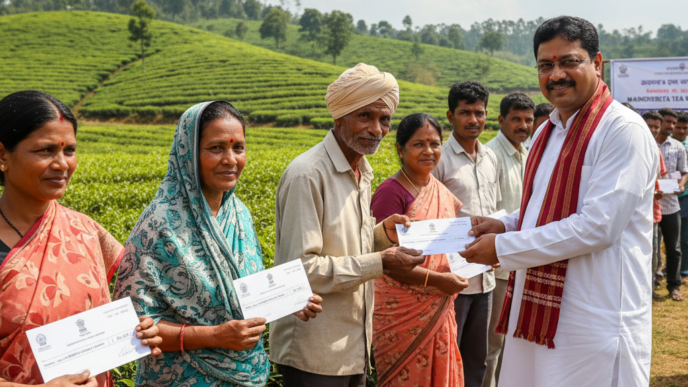
The hallmark of the Lakhpati Bitiya Yojana is a non‑collateral, one‑time grant of INR 1,00,000 transferred directly to the beneficiary’s bank account upon approval of the business plan. Unlike traditional bank loans, the grant does not require extensive credit checks or guarantor arrangements, making it accessible to women who may lack formal credit histories. Funds can be utilized for a wide range of startup costs, including equipment purchase, raw material procurement, digital marketing, and working capital. The scheme also permits partial utilization of the grant for capacity‑building activities, ensuring that applicants can upskill while building their ventures.
Skill Development, Mentorship, and Monitoring
Understanding that capital alone does not guarantee success, the Lakhpati Bitiya Yojana includes a robust skill‑development component. Beneficiaries will attend free workshops covering business planning, digital marketing, financial literacy, and compliance with local regulations. In addition, each selected entrepreneur will be paired with a mentor drawn from industry associations and successful women founders, providing guidance through early-stage challenges. A dedicated monitoring committee will track each participant’s progress, offering corrective assistance where needed and ensuring that funds are used as intended.
- Workshops: Quarterly sessions on finance, marketing, and operations.
- Mentorship: One‑on‑one guidance from seasoned entrepreneurs.
- Monitoring: Periodic reviews by a government‑appointed panel.
Market Linkages and Business Expansion Opportunities
A distinctive feature of the Lakhpati Bitiya Yojana is its emphasis on connecting beneficiaries with formal markets. The government will facilitate introductions to local wholesale markets, e‑commerce platforms such as Amazon Karigar and Flipkart Samarth, and export promotion agencies. These linkages are designed to help women entrepreneurs scale production, reach broader customer bases, and negotiate better pricing. Moreover, the scheme includes a marketplace showcase event annually, where participants can display their products to investors, distributors, and policy makers, enhancing visibility and growth prospects.
Implementation Timeline and Fiscal Allocation
The rollout of the Lakhpati Bitiya Yojana is scheduled to commence in April 2026, with an initial target of empowering 5,000 women in the first fiscal year. Applications will be accepted on a rolling basis, and selections will be announced quarterly. The Delhi Government has allocated INR 500 crore for the inaugural phase, reflecting a substantial fiscal commitment to gender‑focused economic development. This funding will cover grant disbursements, training programs, mentorship networks, and the digital infrastructure required for application processing and monitoring.
Economic Impact and Expert Projections
Economists and policy analysts predict that the Lakhpati Bitiya Yojana could generate significant macro‑economic benefits. By enabling women to launch or expand micro‑enterprises, the scheme is expected to create an estimated 15,000–20,000 new jobs within three years, according to a recent study published by the Institute for Social and Economic Change. Increased household incomes are projected to boost consumer spending, contributing to a 0.3‑percent rise in Delhi’s Gross State Domestic Product (GSDP). Moreover, the initiative aligns with the United Nations Sustainable Development Goal 5 on gender equality, positioning Delhi as a leading state in women’s economic empowerment.
Challenges, Risks, and Mitigation Strategies
Despite its ambitious vision, the Lakhpati Bitiya Yojana faces several implementation hurdles. Verification of income levels and residency may encounter delays due to data discrepancies across government databases. To address this, the administration plans to synchronize the scheme’s portal with the National Aadhaar Authentication System and the Delhi Social Welfare Database, streamlining verification processes. Another challenge lies in ensuring the long‑term sustainability of beneficiary enterprises. The government intends to counter this by extending mentorship programs, providing continuous market linkage, and facilitating access to follow‑on financing through micro‑finance institutions.
Community Response and Civil Society Engagement
The announcement of the Lakhpati Bitiya Yojana has been met with enthusiastic support from women’s rights groups, micro‑enterprise NGOs, and academic institutions. Organizations such as the Delhi Women’s Alliance and the Self‑Employed Women’s Association have praised the scheme as a progressive step toward reducing gender‑based economic disparities. However, these groups have also called for rigorous oversight mechanisms to prevent fund misuse and to guarantee that the most vulnerable women—such as those from scheduled castes, scheduled tribes, and low‑income households—receive priority access. Transparency portals and citizen feedback channels are being established to address these concerns.
Comparative Perspective and Future Outlook
Delhi joins a growing list of Indian states, including Maharashtra and Karnataka, that have launched targeted seed‑capital schemes for women entrepreneurs. While each program varies in eligibility criteria and funding mechanisms, the Lakhpati Bitiya Yojana distinguishes itself through its non‑collateral grant structure and integrated mentorship ecosystem. Experts suggest that if the scheme delivers on its promises, it could serve as a replicable model for other Union Territories seeking to accelerate gender‑inclusive growth. Ongoing evaluations will be published annually, allowing policymakers to refine the program based on empirical outcomes.
Stay updated with the latest Yojana schemes and government initiatives for better awareness and eligibility. For personalized guidance on accessing these benefits, reach out to us.