




Overview of Bihar Navnirman Yatra
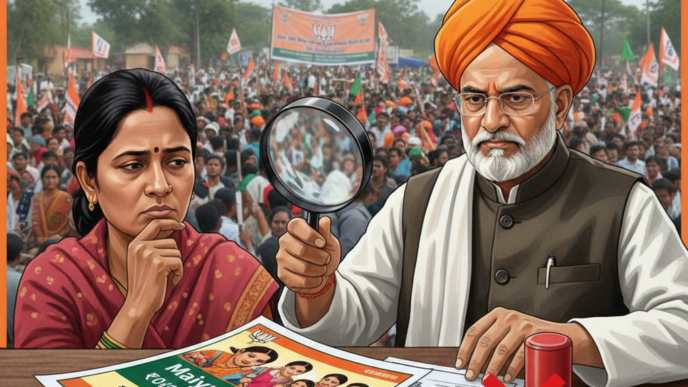
The much‑anticipated Bihar Navnirman Yatra officially kicked off on 8 February 2026, marking a landmark moment in the state’s political calendar. Spearheaded by former political strategist‑turned‑activist Prashant Kishor, the yatra is designed to travel across all 12 districts of Bihar, from the bustling streets of Patna to the remote villages of Purnea. Its primary mission is to rebuild the narrative of governance around the concept of Jan Suraaj – a people‑first vision that places citizen feedback at the heart of policy‑making. The journey will span roughly six months, with each district hosting a series of public meetings, town‑hall sessions, and interactive workshops. By doing so, the yatra hopes to create a direct feedback loop between the electorate and policymakers, ensuring that future schemes are not just announced but are also attuned to on‑ground realities.
In a press conference held at the state secretariat, Kishor emphasised that the yatra is more than a symbolic march; it is an evidence‑based diagnostic tool that will assess the implementation gaps of flagship programmes such as the Jal Jeevan Mission, MGNREGA, and Shishu Shiksha. Data collected during the tour will be aggregated into a publicly accessible digital dashboard, allowing citizens to monitor progress in real time. This transparency measure is intended to foster accountability and to encourage collaborative problem‑solving across governmental layers.
Logistically, the yatra will employ a fleet of 15 specially‑equipped vans, each staffed with a multidisciplinary team comprising policy analysts, data scientists, and field officers. These teams will interact with local non‑governmental organisations, academic institutions, and industry experts to ensure a holistic understanding of the challenges faced by different communities. The initiative also benefits from partnerships with technology firms that will provide data‑visualisation tools, making it easier for stakeholders to interpret complex findings. Ultimately, the Bihar Navnirman Yatra aims to lay the groundwork for a more responsive and inclusive governance model that can be replicated across other states in India. 
Objectives of the Yatra
The objectives of the Bihar Navnirman Yatra are articulated clearly and concisely, focusing on three core pillars: participation, transparency, and actionable reform. First, the yatra seeks to empower grassroots citizens by giving them a platform to voice expectations directly to policymakers. Second, it aims to conduct a rigorous audit of existing welfare schemes, identifying both successes and shortcomings. Finally, it aspires to translate these insights into concrete, time‑bound policy proposals that can be implemented within a realistic timeframe.
- Assess the implementation status and impact of flagship schemes such as Jal Jeevan, Shishu Shiksha, and the Mahatma Gandhi National Rural Employment Guarantee.
- Collect detailed feedback on women‑centric programmes like the Kisan Credit Card and Mahila Kisan Sashaktikaran Yojana, evaluating how they influence household incomes and empowerment.
- Identify regions where rural infrastructure development lags behind national averages, focusing on connectivity, electricity access, and road networks.
- Encourage community‑driven solutions for health and education challenges by highlighting successful local initiatives and best practices.
By systematically addressing these areas, the yatra intends to create a data‑rich repository that can guide the design of next‑generation schemes. This approach is expected to reduce fiscal waste, improve service delivery, and ultimately enhance the quality of life for Bihar’s 120 million inhabitants.
Implementation Strategy
The implementation of the Bihar Navnirman Yatra follows a structured, phased methodology designed to maximise outreach and minimise redundancy. The state has been divided into four geographical clusters, each comprising three to four districts. Within each cluster, the yatra will run for a two‑week intensive period, during which a series of engagements will be conducted. These include open‑forum town‑hall meetings, targeted focus‑group discussions with youth and women leaders, and hands‑on workshops with local technologists to demonstrate how data can inform policy decisions.
During each phase, the yatra team will deploy mobile data‑collection units equipped with tablets and satellite internet to capture real‑time responses. The compiled data will be fed into a cloud‑based analytics engine that will generate visual dashboards accessible to the public via a dedicated website. This digital platform will feature interactive maps, performance metrics, and progress bars for each identified priority area. In addition, the yatra will collaborate with reputed NGOs such as PRADAN and academic partners like IIIT‑B to validate findings and suggest evidence‑based interventions.
To ensure sustainability beyond the yatra’s conclusion, a follow‑up mechanism will be established. This includes forming district‑level advisory councils comprising citizen representatives, government officials, and civil‑society actors. These councils will review the dashboard’s recommendations quarterly, track implementation milestones, and report back to the state government. Such a feedback loop is intended to keep the momentum alive and embed participatory governance into the fabric of Bihar’s administrative culture.
Stakeholder Reactions
Since the launch of the Bihar Navnirman Yatra, reactions across the political and civil‑society spectrum have been mixed but largely optimistic. Senior leaders from the opposition have praised the initiative’s emphasis on citizen engagement, viewing it as a necessary corrective to perceived top‑down policymaking. However, some have cautioned that the yatra could become a platform for political posturing if not anchored to concrete deliverables.
Political analyst Rajat Gupta wrote in a recent column for Business Standard that “the yatra could redefine the relationship between the electorate and the state, provided that the insights gathered are translated into policy rather than merely documented.” Conversely, representatives of the Janata Dal (United) party have expressed conditional support, stating that they will collaborate with the yatra team to ensure that any recommendations align with the party’s existing development agenda.
Civil‑society organisations have been particularly vocal in their endorsement. Groups such as the VASUDHA Foundation and the PRADAN network have lauded the focus on women‑centric programmes and rural infrastructure, emphasizing that these issues have long been under‑addressed. Their endorsement is expected to bolster the yatra’s credibility and facilitate access to grassroots networks that might otherwise be difficult to penetrate.
Potential Challenges
While the vision behind the Bihar Navnirman Yatra is compelling, several challenges could impede its success. Chief among these is the risk of the yatra becoming a high‑visibility event without tangible policy outcomes. If the collected feedback is not systematically converted into actionable schemes, public trust could erode, undermining the very purpose of the initiative.
Logistical hurdles also loom large. Reaching remote districts in the far‑eastern and southern parts of Bihar poses significant transportation and communication challenges, especially during the monsoon season when road connectivity can be disrupted. To mitigate this, the yatra organizers have earmarked backup air‑lifting capabilities and partnered with local transport cooperatives to ensure continuity of field activities.
Another critical factor is expectation management. Citizens may anticipate immediate reforms, but the translation of feedback into legislation often requires legislative approvals, budget allocations, and inter‑governmental coordination. Kishor has publicly acknowledged this timeline constraint, promising that the yatra will focus on “quick‑win” interventions that can be rolled out within six months, while longer‑term reforms will be phased over a multi‑year horizon.
Finally, data integrity and privacy concerns must be addressed. The yatra will collect sensitive personal information from participants, and safeguarding this data is essential to maintaining public confidence. Robust encryption protocols and anonymisation techniques will be employed to protect respondents’ identities, ensuring compliance with India’s emerging data‑protection frameworks.
Conclusion
The Bihar Navnirman Yatra stands as a pioneering attempt to fuse participatory democracy with evidence‑based governance in India’s third‑largest state. By traversing every district, soliciting citizen input, and publishing transparent dashboards, the initiative aspires to rebuild trust in public institutions that have often been perceived as distant and unresponsive. If executed with rigor and political will, the yatra could serve as a replicable template for other states grappling with similar challenges of governance gaps and citizen disengagement.
Moreover, the yatra’s emphasis on gender‑specific welfare schemes and rural infrastructure aligns with the broader national agenda of inclusive growth, positioning Bihar as a laboratory for innovative policy experimentation. Stakeholders across the spectrum—political parties, civil‑society groups, and technocratic bodies—are watching closely as the yatra unfolds, hopeful that this bold venture will usher in a new era of Jan Suraaj where citizens are not just beneficiaries but co‑creators of the state’s development story.
Stay updated with the latest Yojana schemes and government initiatives for better awareness and eligibility. For personalized guidance on accessing these benefits, reach out to us.