


Overview of Recent Government Emphasis on Employment Generation
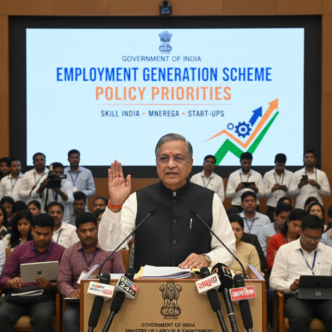
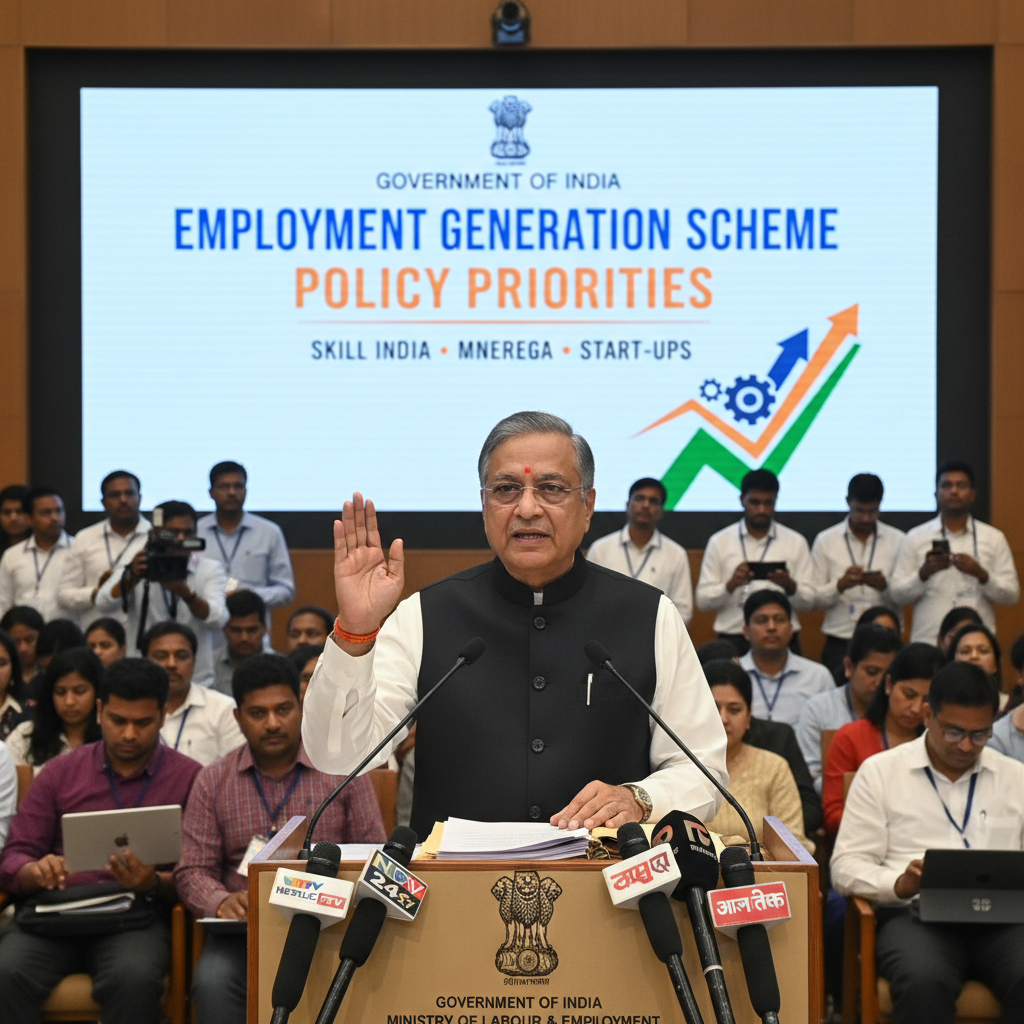
The Ministry of Labour and Employment has placed employment generation scheme at the heart of its policy agenda, declaring job creation a top priority for the current administration. In a recent press briefing, the minister underscored that expanding livelihood opportunities in both urban and rural areas is essential for inclusive growth and poverty alleviation. This focus aligns with the government’s broader vision of “Sabka Saath, Sabka Vikas,” positioning a robust labour market as the engine for socio‑economic development. Recent statements also referenced the latest data showing a 12% increase in sanctioned vacancies across central ministries compared with the previous fiscal year, signalling a tangible shift toward a more dynamic employment landscape.
Official statistics released during the same interaction revealed that the unemployment rate slipped to 6.1% in the last quarter, down from 6.4% three months earlier. While the decline appears modest, analysts view it as an early indicator that targeted interventions are beginning to yield results. The minister emphasized that the government will continue to monitor key labour market indicators, including labour force participation and under‑employment, to fine‑tune policy responses.
Key Policy Directives and Initiatives
During the briefing, the minister detailed a suite of flagship programmes designed to bridge skill gaps and amplify job creation across sectors. He highlighted the Skill India Mission, which now aims to certify 250 million workers by 2027, up from the earlier target of 100 million. The expansion includes the introduction of 150 new vocational courses in emerging fields such as renewable energy, data analytics, and advanced manufacturing. 
To support micro, small and medium enterprises (MSMEs), the government announced an enhancement of financial incentives for firms that generate employment in rural districts. Under the new scheme, eligible MSMEs can receive a 15% subsidy on wages for the first two years of hiring, provided they maintain a minimum of 30% of their workforce from the local community.
Public sector recruitment drives are being intensified, with a target of filling 1.2 million newly sanctioned posts across ministries and departments by the end of the fiscal year. The minister also announced partnerships with private industry to launch apprenticeship schemes that combine on‑the‑job training with a stipend, aiming to absorb 500,000 graduates annually into the formal workforce.
- Expansion of the Skill India Programme to cover additional vocational courses
- Enhanced financial incentives for MSMEs that generate rural employment
- Targeted recruitment drives in the public sector to boost sanctioned posts
- Partnerships with private industry for apprenticeship schemes
Data Insights Demonstrating Momentum
Recent data released by the Ministry of Labour paints a picture of accelerating employment growth. According to the latest Labour Ministry report, central government departments posted a net addition of 140,000 sanctioned positions in the last quarter, a 12% rise over the same period last year. Simultaneously, the unemployment rate fell to 6.1% in the October‑December quarter, marking the first decline after three consecutive quarters of stagnation.
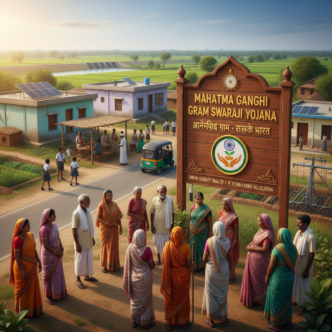
The Mahatma Gandhi National Rural Employment Guarantee Act (MGNREGA) continues to be a critical safety net, providing 100 days of guaranteed wage‑employment per household. In FY 2024‑25, the scheme disbursed ₹1.45 lakh crore, supporting 75 million person‑days of work, particularly in agrarian regions where alternative job opportunities are limited.
Private sector participation also shows promise; a survey by the Confederation of Indian Industry (CII) found that 68% of firms plan to increase their hiring budgets by at least 10% in the upcoming fiscal year, citing improved confidence in policy stability and demand prospects.
Impact on Rural and Urban Communities
The renewed emphasis on job creation is expected to have a transformative effect on both rural and urban populations. In rural areas, the government is strengthening schemes that boost agricultural productivity and allied activities, such as the Pradhan Mantri Kisan Sampda Yojana. By modernising cold chains and food processing units, the initiative aims to retain talent in villages and reduce seasonal migration to cities.
Urban centres are witnessing targeted efforts to formalise the vast informal economy. The minister highlighted the rollout of a Digital Upskilling Hub in major metropolitan areas, offering free courses in coding, cloud computing, and e‑commerce management. Early enrolment figures indicate that over 200,000 youths have signed up, with placement rates exceeding 45% within six months of completion.
These dual‑track strategies are designed to address the distinct challenges faced by each demographic: rural communities require livelihoods anchored in agriculture and allied sectors, while urban youth seek high‑skill, technology‑driven employment avenues.
Strategic Collaboration with State Governments
Effective implementation of the employment generation agenda hinges on close coordination with state authorities. The central government has announced an additional allocation of ₹5,000 crore for states that meet predefined employment targets, encouraging them to adopt localized job‑creation programmes.
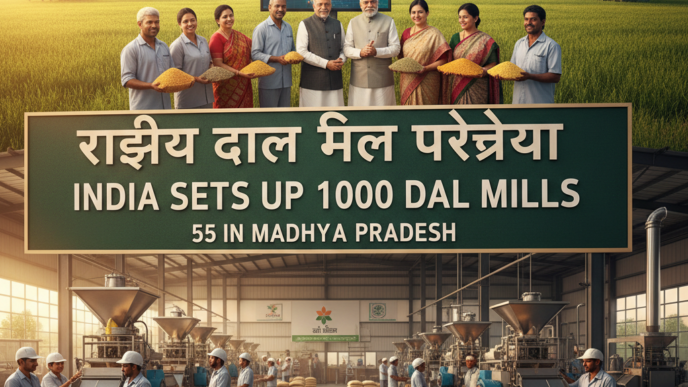
States such as Maharashtra, Tamil Nadu, and Madhya Pradesh have already submitted detailed action plans outlining how they will leverage the new funding to expand skill‑training centres, incentivise agritech startups, and streamline public‑sector hiring processes. The minister assured that the Centre will provide technical assistance and monitoring support to ensure that funds are utilised efficiently.
This collaborative model reflects a shift from top‑down directives to a partnership framework, enabling policy solutions to be tailored to regional economic structures and labour market dynamics.
- State‑specific employment target incentives
- Technical assistance for skill‑training infrastructure
- Joint monitoring mechanisms for progress tracking
- Platform for sharing best practices across states
Future Outlook and Anticipated Developments
Looking ahead, the Ministry of Labour plans to introduce several measures aimed at further streamlining hiring processes and expanding green‑job opportunities. A forthcoming Wage Subsidy Scheme for Emerging Sectors will offer a 10% wage offset for employers hiring in renewable energy, waste management, and sustainable construction, aligning with India’s climate‑action goals.
Digital skill hubs will be expanded to 50 new locations by 2026, focusing on underserved regions to bridge the urban‑rural digital divide. The minister also announced the launch of sector‑specific job fairs that will connect job‑seekers directly with recruiters from industries such as agro‑processing, health‑tech, and fintech.
In addition, a new National Mission on Sustainable Water Management is expected to create 200,000 jobs in water‑conservation projects across the country, illustrating the government’s commitment to integrating environmental objectives with employment generation.
Conclusion
The minister’s recent remarks make it clear that employment generation scheme is no longer a peripheral concern but a central pillar of national development strategy. By coupling concrete policy directives with data‑driven insights, fostering multi‑level collaboration, and targeting both rural and urban ecosystems, the government aims to build a resilient labour market capable of absorbing the growing workforce. Citizens are urged to stay informed about upcoming schemes, leverage skill‑development opportunities, and engage actively with public‑private initiatives that can enhance their employability and future prospects.
Stay updated with the latest Yojana schemes and government initiatives for better awareness and eligibility. For personalized guidance on accessing these benefits, reach out to us.