


Mukhyamantri Gramotthan Yojana: A New Dawn for Gujarat’s Villages
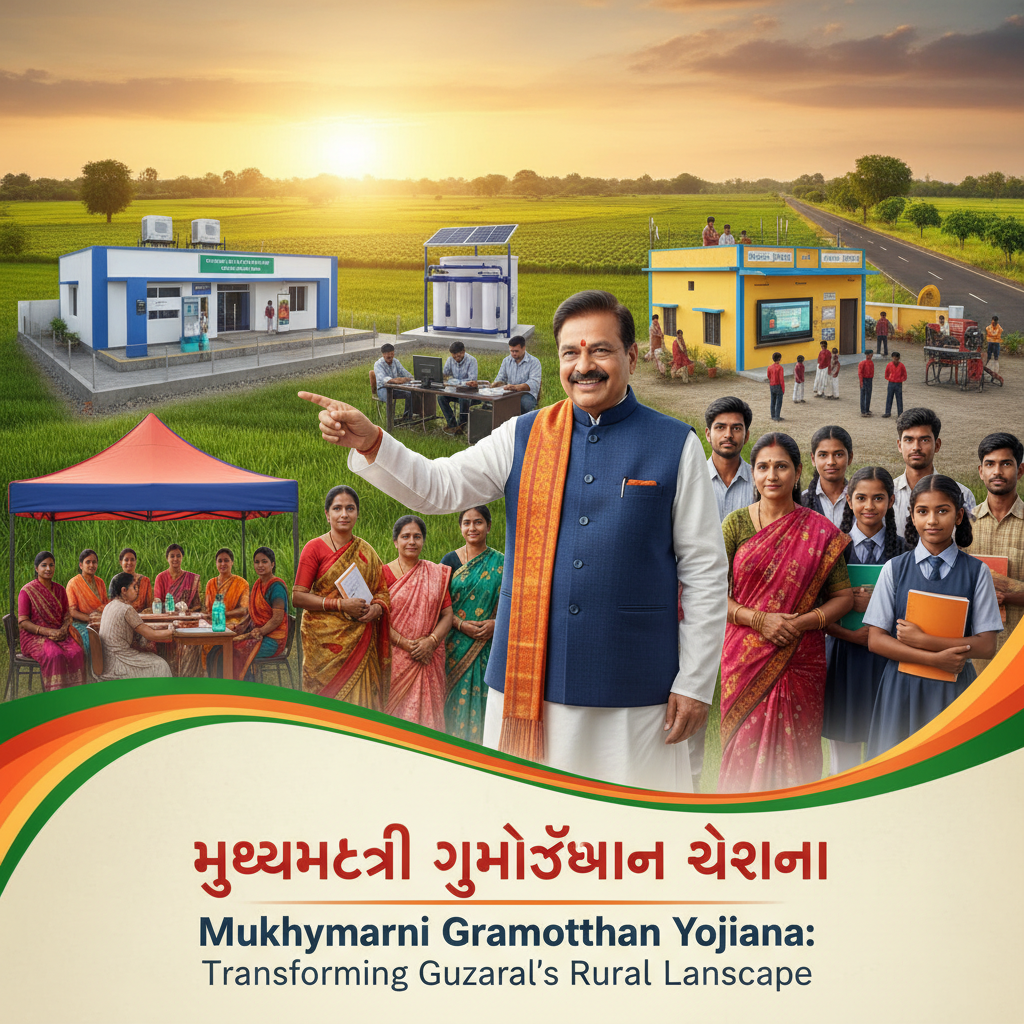
In a decisive move to bridge the urban‑rural divide, the Gujarat government unveiled the Mukhyamantri Gramotthan Yojana in July 2024, positioning it as the state’s flagship programme for holistic rural development. The initiative, rolled out across 300 Rural Development Blocks, targets education, skill enhancement, health access, infrastructure upgrades and women empowerment, aiming to convert every village into a self‑reliant Gram Otthan centre by 2029. With an initial outlay of Rs 3,500 crore and strategic partnerships with central ministries and private investors, the scheme promises to reshape the socio‑economic fabric of Gujarat’s countryside. Recent news reports highlight that the launch coincides with the state’s broader “Rural Renaissance” agenda, echoing national calls for inclusive growth and aligning with the Centre’s “Saansad Adarsh Gram Yojana” vision.
Objectives and Eligibility: What the Scheme Sets Out to Achieve
The Mukhyamantri Gramotthan Yojana is built around five clear objectives, each backed by measurable targets. First, it seeks to enhance access to quality education for all children in rural Gujarat, aiming to raise school enrolment by at least 10 percent and cut dropout rates by 8 percent within three years. Second, the programme focuses on vocational empowerment of youth through Gramotthan Centres, targeting 50,000 trained individuals by 2027. Third, it intends to strengthen primary healthcare by deploying mobile health units and upgrading 1,200 Primary Health Centres with telemedicine linkages. Fourth, the scheme emphasizes rural infrastructure upgrades—particularly road connectivity, solar electrification and safe drinking water—targeting 1,500 villages for complete road coverage. Finally, it prioritises women and child welfare through scholarship schemes, maternal health camps, and nutrition support, aspiring to reduce infant mortality by 15 percent in the pilot districts.
Eligibility for benefits is determined at the village level through a participatory needs assessment conducted by a joint team of district officials and NGOs. Households classified as Below Poverty Line (BPL), marginal farmers, and socially disadvantaged groups receive priority for scholarships, skill‑training seats, and health‑camp slots. However, the scheme adopts a **universal design**: every village, irrespective of its economic status, can access infrastructure upgrades and connectivity projects once a developmental plan is approved. This inclusive approach ensures that even the most remote hamlets can benefit from improved public services. 
Five Pillars of the Mukhyamantri Gramotthan Yojana
Implementation of the Mukhyamantri Gramotthan Yojana revolves around five interlocking components, each designed to address a specific sectoral gap. The first pillar, Education Boost, funds the construction of 1,800 additional classrooms, equips 600 schools with smart‑learning labs, and distributes free textbooks worth Rs 150 crore to primary‑level students. Under this pillar, school‑management committees receive capacity‑building workshops to ensure effective utilisation of resources.
The second pillar, Skill Development, establishes 120 Gramotthan Centres across the state. These centres offer certified courses in information technology, precision agriculture, renewable‑energy installation, and micro‑enterprise management. Course duration ranges from four weeks to six months, and graduates receive a stipend‑linked placement guarantee in partnership with local enterprises such as Gujarat NREGA Sangathan and private agribusiness firms.
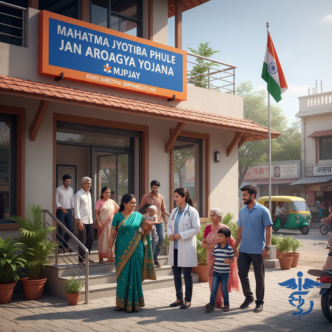
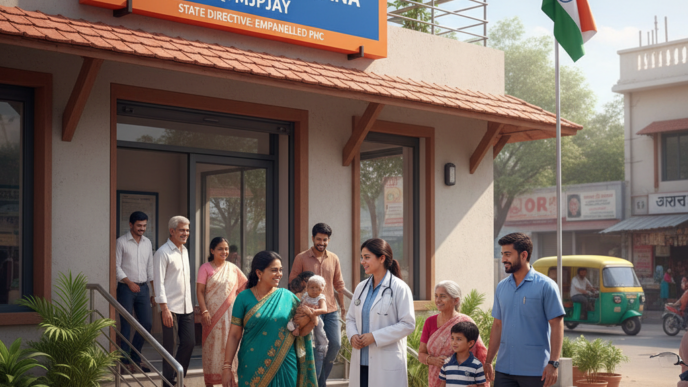
Healthcare access is addressed through the third pillar: Mobile Health Units and Tele‑Medicine Integration. A fleet of 250 fully equipped vans will traverse remote villages, providing maternal‑child health services, immunisations and basic diagnostics. These units are linked to 150 upgraded Primary Health Centres that now feature tele‑consultation capabilities, enabling real‑time specialist advice from urban hospitals.
The fourth pillar focuses on Infrastructure Development. This includes the widening of 500 km of rural roads to all‑weather standards, installation of solar‑powered street lighting in 3,200 villages, and the creation of 1,100 community‑level safe‑water projects drawing from both groundwater recharge and rain‑water harvesting techniques.
Lastly, the Women & Child Welfare pillar introduces scholarships for 12,000 girl students annually, conducts quarterly maternal‑health camps in collaboration with the Gujarat Health Mission, and distributes fortified complementary foods to 80,000 lactating mothers through the Integrated Child Development Services (ICDS) network.
Funding, Governance and Monitoring
Financially, the Mukhyamantri Gramotthan Yojana draws Rs 3,500 crore from a diversified pool: 55 percent from the state’s own budget, 30 percent from central sector‑specific grants (notably the Rural Development Ministry’s “Pradhan Mantri Gram Sadak Yojana” and “National Health Mission”), and 15 percent from private sector contributions under the Gujarat Investment Promotion Board’s “Rural Innovation Fund”. The allocation follows a milestone‑based disbursement model, wherein funds are released only after independent verification of completed works via geo‑tagged reporting tools hosted on the state’s e‑Governance portal.
At the helm of monitoring is a dedicated State Rural Development Cell (SRDC), which employs a real‑time dashboard accessible to district collectors, panchayat heads and the public. The dashboard displays key performance indicators such as school enrolment rates, number of trained youth, health‑camp beneficiaries, and infrastructure completion percentages. To ensure transparency, an independent audit committee comprising representatives from the Comptroller and Auditor General (CAG), civil society organisations, and academic institutions conducts quarterly reviews. This robust oversight mechanism is intended to curb delays, leakages, and implementation bottlenecks.
For citizens seeking detailed information on eligibility criteria, application procedures, or beneficiary status, the official portal (https://gramotthan.gujarat.gov.in) provides interactive dashboards, downloadable forms, and a 24/7 helpline (toll‑free 1800‑123‑4567). Additionally, a comprehensive FAQ section on Wikipedia offers a neutral overview of the scheme’s structure and progress: Mukhyamantri Gramotthan Yojana – Wikipedia.
Early Impacts, Challenges and the Roadmap Forward
Six months after the inaugural phase in pilot districts—Anand, Sabarkantha and Narmada—preliminary impact assessments reveal promising outcomes. School enrolment has risen by 12 percent, while dropout rates fell by 8 percent, attributable to the free‑textbook distribution and smart‑classroom installations. Health camps have screened over 15,000 children, uncovering a 6 percent prevalence of acute malnutrition, enabling timely intervention. Moreover, more than 3,000 youth have completed skill modules, with 1,800 securing employment in local agri‑processing units and renewable‑energy firms.
Despite these gains, implementation faces logistical hurdles. Remote villages in the Kutch region encounter delays in road construction due to terrain constraints, and coordination among multiple agencies sometimes leads to duplicated efforts. To mitigate these issues, the government has launched a dedicated helpline for grievance redressal, intensified field‑level staff training programmes, and rolled out community‑participation campaigns featuring local influencers and panchayat members.
Looking ahead, the Mukhyamantri Gramotthan Yojana aims to expand its coverage to all 300 Rural Development Blocks by 2029, with a strategic shift toward sustainable entrepreneurship and renewable‑energy integration. Plans are underway to establish “Green Gramotthan Hubs” that combine solar‑powered incubators, micro‑finance facilities, and digital governance tools, thereby fostering a self‑sustaining ecosystem of rural enterprises. Experts anticipate that the model could serve as a replicable blueprint for other Indian states, offering a scalable framework that aligns with the national agenda of “Sabka Saath, Sabka Vikas”.
Stay updated with the latest Yojana schemes and government initiatives for better awareness and eligibility. For personalized guidance on accessing these benefits, reach out to us.